

How Much Demat Accounts in India
F
Discover verified facts, data, and insights about India’s states, culture, economy, education, and more — all in one place at FactBharat.
Search for a command to run...
Discover verified facts, data, and insights about India’s states, culture, economy, education, and more — all in one place at FactBharat.
No comments yet. Be the first to comment.
Moving to the USA from India is a dream for many. Whether you want to study, work, or live with family, the process can seem complex. But with the right information, you can plan your move confidently. I’ll guide you through the key steps and options...
Opening a college in India is a dream for many educators and entrepreneurs who want to contribute to the country’s education sector. If you are one of those who want to start a college, you need to understand the process clearly. It involves several ...
Opening a hospital in India is a significant and rewarding venture. If you’ve ever wondered how to start one, you’re in the right place. Whether you’re a healthcare professional, entrepreneur, or investor, understanding the process is crucial. You’ll...
Opening a medical store in India can be a rewarding business opportunity. You get to serve your community by providing essential medicines and healthcare products. If you are thinking about starting a medical store, you might wonder where to begin an...
Opening a restaurant in India can be an exciting and rewarding venture. Whether you dream of serving traditional Indian dishes or international cuisine, the process involves careful planning and understanding of local regulations. If you’re ready to ...
FactBharat | Insights About India
2558 posts
Discover verified facts, data, and insights about India’s states, culture, economy, education, and more — all in one place at FactBharat.
If you’re curious about how many Demat accounts exist in India, you’re not alone. Demat accounts have become essential for anyone looking to invest in the stock market or hold securities electronically. Understanding the scale of Demat accounts helps you see how popular investing has become in India.
In this article, I’ll walk you through the latest numbers, trends, and what these figures mean for investors like you. Whether you’re new to investing or already have a Demat account, this information will give you a clear picture of India’s growing investment landscape.
Before diving into the numbers, let’s quickly recap what a Demat account is. A Demat (short for “dematerialized”) account holds your shares and securities in electronic form. Instead of physical certificates, your investments are stored digitally, making buying, selling, and managing stocks easier and safer.
Here’s why Demat accounts matter:
Knowing this helps you understand why so many people in India are opening Demat accounts.
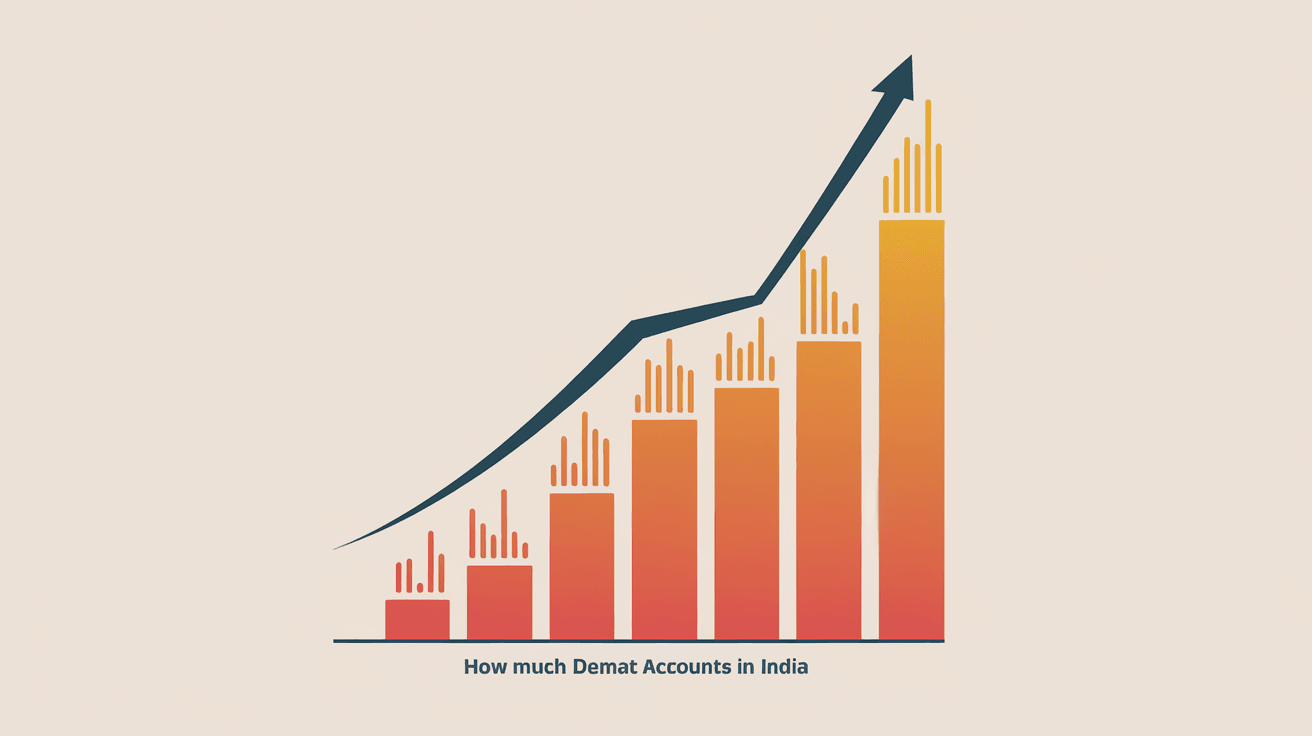
India has witnessed a massive surge in Demat accounts over the past decade. According to the latest data from the National Securities Depository Limited (NSDL) and Central Depository Services Limited (CDSL), the two main depositories in India, the total number of Demat accounts has crossed 10 crore (100 million).
Here’s a quick breakdown:
| Year | Number of Demat Accounts (in crores) |
| 2015 | 2.5 |
| 2018 | 5.5 |
| 2021 | 8.5 |
| 2025 | 10+ |
This rapid growth shows how more Indians are participating in the stock market. The rise is driven by factors like increased financial literacy, easier access to online trading platforms, and government initiatives promoting investment.
Several reasons explain the sharp rise in Demat accounts in India:
These factors combined have made investing accessible to a broader population, including millennials and first-time investors.
Understanding who is opening Demat accounts can give you insights into the investment culture in India.
If you’re thinking about opening a Demat account, here’s a simple guide:
Most brokers offer online account opening, making the process quick and hassle-free.
Having a Demat account offers several advantages:
These benefits explain why millions of Indians are opening Demat accounts every year.
Despite the growth, some challenges remain:
Being aware of these helps you take precautions and use your Demat account wisely.
Looking ahead, here’s what to expect:
These trends suggest a bright future for investing in India.
The number of Demat accounts in India has grown tremendously, reflecting the country’s rising interest in stock market investing. With over 10 crore accounts today, more Indians than ever are taking control of their financial futures.
If you haven’t opened a Demat account yet, now is a great time to start. The process is simple, and the benefits are many. As India’s investment landscape evolves, having a Demat account will be key to participating in wealth creation opportunities.
There are over 10 crore Demat accounts in India, showing a significant rise in retail participation in the stock market.
NSDL and CDSL are the two main depositories in India that hold securities electronically. Both serve similar functions but have different sets of Depository Participants.
Yes, an individual can open multiple Demat accounts with different Depository Participants, but it’s usually simpler to manage one.
Yes, a Demat account is mandatory for trading and holding shares in electronic form in India.
Demat accounts are generally safe, but investors should be cautious of phishing and cyber frauds by using secure platforms and strong passwords.