

How Much Agricultural Land in India
F
Discover verified facts, data, and insights about India’s states, culture, economy, education, and more — all in one place at FactBharat.
Search for a command to run...
Discover verified facts, data, and insights about India’s states, culture, economy, education, and more — all in one place at FactBharat.
No comments yet. Be the first to comment.
Moving to the USA from India is a dream for many. Whether you want to study, work, or live with family, the process can seem complex. But with the right information, you can plan your move confidently. I’ll guide you through the key steps and options...
Opening a college in India is a dream for many educators and entrepreneurs who want to contribute to the country’s education sector. If you are one of those who want to start a college, you need to understand the process clearly. It involves several ...
Opening a hospital in India is a significant and rewarding venture. If you’ve ever wondered how to start one, you’re in the right place. Whether you’re a healthcare professional, entrepreneur, or investor, understanding the process is crucial. You’ll...
Opening a medical store in India can be a rewarding business opportunity. You get to serve your community by providing essential medicines and healthcare products. If you are thinking about starting a medical store, you might wonder where to begin an...
Opening a restaurant in India can be an exciting and rewarding venture. Whether you dream of serving traditional Indian dishes or international cuisine, the process involves careful planning and understanding of local regulations. If you’re ready to ...
FactBharat | Insights About India
2558 posts
Discover verified facts, data, and insights about India’s states, culture, economy, education, and more — all in one place at FactBharat.
If you’ve ever wondered how much agricultural land India has, you’re not alone. Agriculture plays a huge role in India’s economy and daily life. Knowing the size of this land helps us understand the country’s food production and rural livelihoods.
In this article, I’ll walk you through the current extent of agricultural land in India. We’ll also explore how this land is used, what challenges it faces, and why it matters to you and the world. Let’s dive in!
India is one of the largest agricultural countries globally. As of 2025, the total agricultural land in India covers about 156 million hectares. This includes land used for growing crops, orchards, plantations, and other farming activities.
To put it in perspective:
This large share of agricultural land shows how vital farming is for India’s economy and food security.
Agricultural land in India is not just one type. It includes various categories based on use and ownership. Here are the main types:
Each type plays a unique role in India’s agriculture system. For example, arable land is crucial for staple crops like rice and wheat, while permanent crops contribute to exports and income diversification.
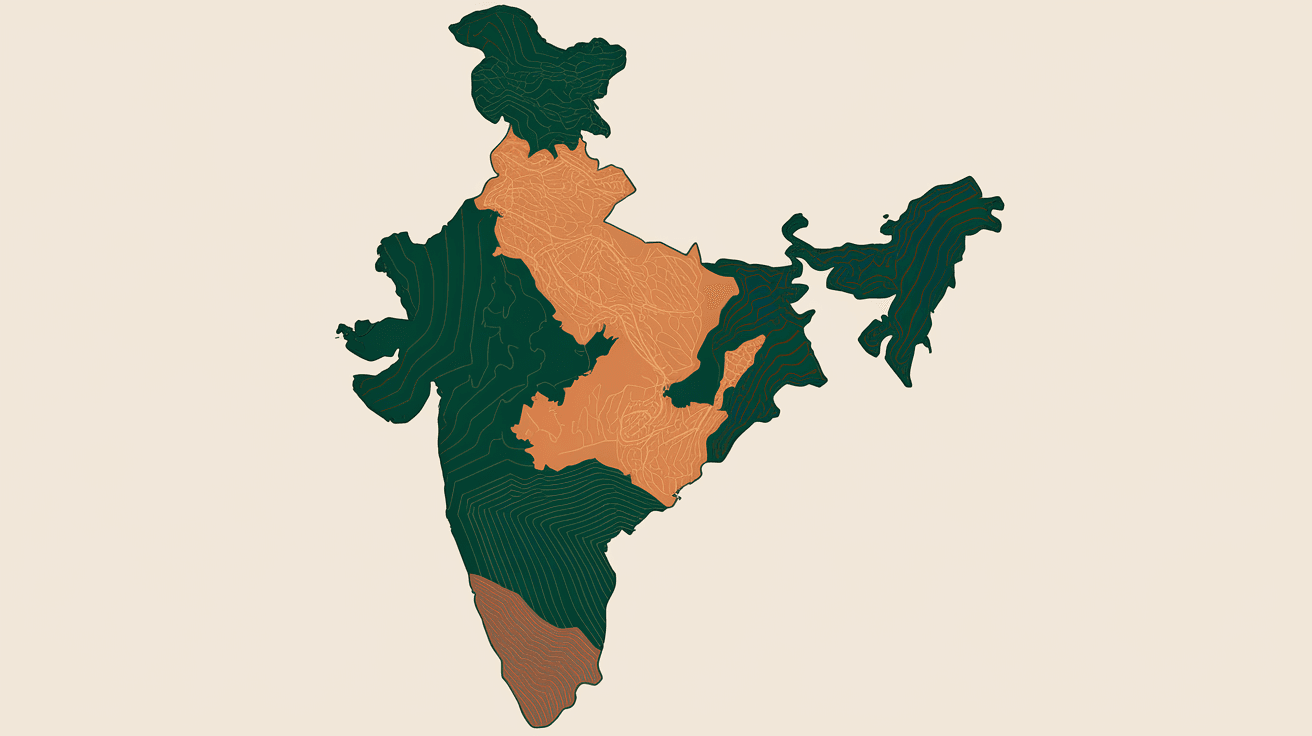
Agricultural land is unevenly spread across India. Some states have more fertile and extensive farmland than others. Here’s a quick look at the top states by agricultural land area:
| State | Agricultural Land (million hectares) |
| Uttar Pradesh | 22.5 |
| Maharashtra | 20.3 |
| Madhya Pradesh | 18.7 |
| Rajasthan | 15.4 |
| Punjab | 12.1 |
These states have large farming communities and diverse crops. For example, Punjab is known as the "Granary of India" due to its high wheat and rice production.
The amount of agricultural land in India is not static. Several trends are shaping its future:
Despite these challenges, India is adopting new technologies and policies to protect and optimize agricultural land.
Agricultural land is the backbone of India’s economy. Here’s why it matters:
Protecting and managing agricultural land well is key to sustaining these benefits.
The Indian government has launched several programs to safeguard agricultural land and improve productivity:
These initiatives aim to balance land use with environmental sustainability.
Despite its size, agricultural land in India faces many challenges:
Addressing these issues is critical for India’s agricultural future.
You might wonder how you can help protect agricultural land. Here are some simple ways:
Every small action contributes to preserving India’s precious agricultural land.
India’s agricultural land covers nearly half of the country’s total area, making it a vital resource for food production and livelihoods. While the land supports millions of farmers and feeds billions, it faces challenges like urbanization, climate change, and soil degradation.
Understanding the size and importance of agricultural land helps us appreciate the need to protect it. By supporting sustainable farming and government initiatives, you can play a part in securing India’s agricultural future. Together, we can ensure this land continues to nourish generations to come.
India has about 156 million hectares of agricultural land, which is nearly 47% of its total geographical area.
Uttar Pradesh leads with approximately 22.5 million hectares of agricultural land, followed by Maharashtra and Madhya Pradesh.
The main types include arable land, permanent crops, permanent pastures, and fallow land.
Challenges include urbanization, land degradation, water scarcity, climate change, and fragmented land holdings.
Through initiatives like soil health cards, irrigation schemes, land leasing policies, and promoting organic farming.