

How Money Is Printed in India
F
Discover verified facts, data, and insights about India’s states, culture, economy, education, and more — all in one place at FactBharat.
Search for a command to run...
Discover verified facts, data, and insights about India’s states, culture, economy, education, and more — all in one place at FactBharat.
No comments yet. Be the first to comment.
Moving to the USA from India is a dream for many. Whether you want to study, work, or live with family, the process can seem complex. But with the right information, you can plan your move confidently. I’ll guide you through the key steps and options...
Opening a college in India is a dream for many educators and entrepreneurs who want to contribute to the country’s education sector. If you are one of those who want to start a college, you need to understand the process clearly. It involves several ...
Opening a hospital in India is a significant and rewarding venture. If you’ve ever wondered how to start one, you’re in the right place. Whether you’re a healthcare professional, entrepreneur, or investor, understanding the process is crucial. You’ll...
Opening a medical store in India can be a rewarding business opportunity. You get to serve your community by providing essential medicines and healthcare products. If you are thinking about starting a medical store, you might wonder where to begin an...
Opening a restaurant in India can be an exciting and rewarding venture. Whether you dream of serving traditional Indian dishes or international cuisine, the process involves careful planning and understanding of local regulations. If you’re ready to ...
FactBharat | Insights About India
2558 posts
Discover verified facts, data, and insights about India’s states, culture, economy, education, and more — all in one place at FactBharat.
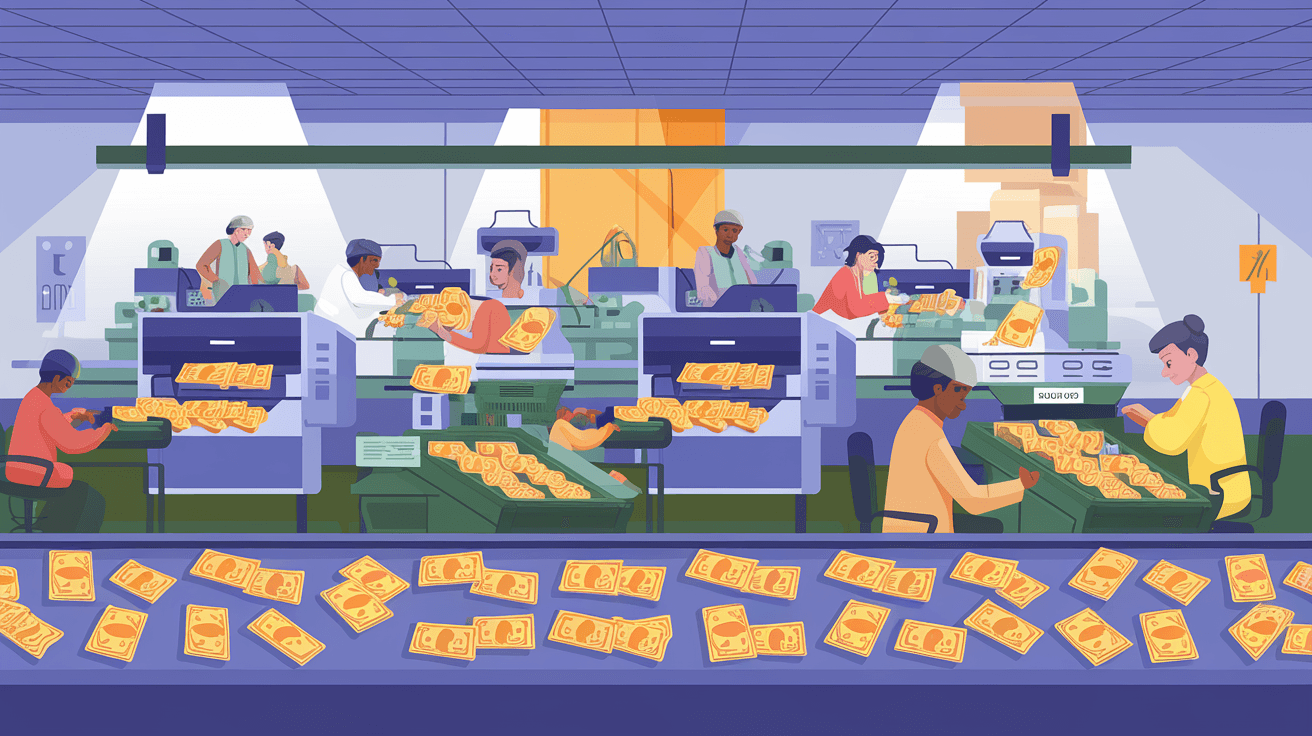
Printing money in India is a fascinating process that many people don’t fully understand. You might wonder how the currency notes you use every day come into existence. It’s not just about printing paper; it involves careful planning, advanced technology, and strict security measures. In this article, I’ll take you through the entire journey of how money is printed in India.
We’ll explore the roles of different organizations, the materials used, and the steps involved in producing currency notes. By the end, you’ll have a clear picture of how the Indian government ensures that the money you use is safe, reliable, and hard to counterfeit.
In India, printing money is a well-organized task handled by specific government bodies. The Reserve Bank of India (RBI) plays a central role in managing currency issuance. However, the actual printing is done by specialized presses.
These organizations work together to ensure that currency production meets demand while maintaining security and quality.
You might think currency notes are just printed on regular paper, but that’s not the case. Indian currency notes are made from a special type of paper that is durable and difficult to replicate.
These materials and features help prevent counterfeiting and ensure the notes last longer in circulation.
Designing currency notes is a detailed process that balances aesthetics, security, and functionality. The RBI, along with expert committees, decides the design elements.
The design is carefully reviewed and approved before printing begins to ensure it meets all security and usability standards.
The printing process involves several stages, each designed to add layers of security and precision.
The presses at SPMCIL and BRBNMPL use state-of-the-art machines to carry out these steps efficiently.
Counterfeiting is a major concern for any currency system. India uses multiple security features to make it extremely difficult to fake currency notes.
These features work together to protect the currency’s integrity.
Once printed, currency notes are not immediately available to the public. They go through a distribution process managed by the RBI.
This system ensures a steady and secure supply of currency across the country.
Printing currency involves using resources and chemicals, so environmental impact is a concern.
These efforts help minimize the environmental footprint of currency production.
Despite advanced technology, printing currency comes with challenges.
The RBI and printing presses work continuously to overcome these challenges.
With digital payments rising, you might wonder about the future of physical currency.
Physical currency will continue to play a vital role, but it will evolve with technology.
Now you know how money is printed in India, from the special paper to the advanced security features. It’s a complex process managed by the RBI and specialized presses to ensure that the currency you use is safe and reliable. The combination of design, technology, and strict quality control makes Indian currency notes unique and hard to counterfeit.
Understanding this process helps you appreciate the effort behind every note in your wallet. As India moves forward, currency printing will continue to adapt to new challenges and technologies, ensuring that money remains a trusted medium of exchange for everyone.
Printing a batch of currency notes can take several days, including design, printing, drying, and quality checks. The entire process is carefully controlled to maintain quality and security.
Indian notes include features like the Mahatma Gandhi watermark, security thread with inscriptions, micro-lettering, latent images, and color-changing ink, making them hard to counterfeit.
No, only authorized government presses like SPMCIL and BRBNMPL print currency notes under RBI supervision. Unauthorized printing is illegal and punishable by law.
New designs are introduced periodically to improve security and reflect cultural changes. The RBI announces new series after thorough research and testing.
Old or damaged notes are collected by banks and returned to the RBI, where they are destroyed and replaced with new notes to maintain currency quality.