

How MLC is Elected in India
F
Discover verified facts, data, and insights about India’s states, culture, economy, education, and more — all in one place at FactBharat.
Search for a command to run...
Discover verified facts, data, and insights about India’s states, culture, economy, education, and more — all in one place at FactBharat.
No comments yet. Be the first to comment.
Moving to the USA from India is a dream for many. Whether you want to study, work, or live with family, the process can seem complex. But with the right information, you can plan your move confidently. I’ll guide you through the key steps and options...
Opening a college in India is a dream for many educators and entrepreneurs who want to contribute to the country’s education sector. If you are one of those who want to start a college, you need to understand the process clearly. It involves several ...
Opening a hospital in India is a significant and rewarding venture. If you’ve ever wondered how to start one, you’re in the right place. Whether you’re a healthcare professional, entrepreneur, or investor, understanding the process is crucial. You’ll...
Opening a medical store in India can be a rewarding business opportunity. You get to serve your community by providing essential medicines and healthcare products. If you are thinking about starting a medical store, you might wonder where to begin an...
Opening a restaurant in India can be an exciting and rewarding venture. Whether you dream of serving traditional Indian dishes or international cuisine, the process involves careful planning and understanding of local regulations. If you’re ready to ...
FactBharat | Insights About India
2558 posts
Discover verified facts, data, and insights about India’s states, culture, economy, education, and more — all in one place at FactBharat.
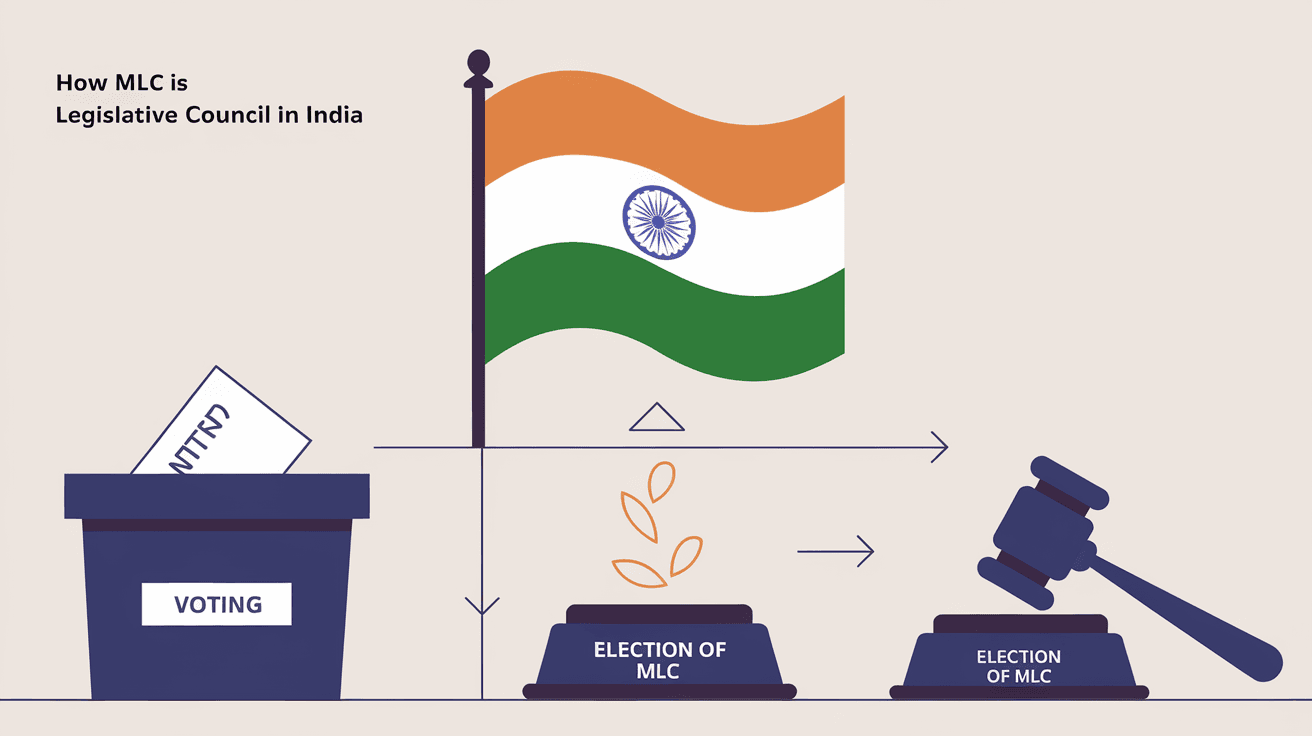
Understanding how MLCs are elected in India can seem complex at first. But once you break it down, it becomes easier to grasp. If you’re curious about the role of Members of Legislative Council (MLCs) and how they come into office, this article will guide you through the entire process in simple terms.
We’ll explore the different ways MLCs are elected, who can become an MLC, and why this system exists. By the end, you’ll have a clear picture of the election process and the importance of MLCs in India’s legislative framework.
An MLC stands for Member of Legislative Council. India has a bicameral legislature in some states, meaning there are two houses: the Legislative Assembly (Vidhan Sabha) and the Legislative Council (Vidhan Parishad). The MLCs are members of the Legislative Council, which is the upper house in these states.
Not all states have a Legislative Council. Only a few states like Uttar Pradesh, Maharashtra, Karnataka, and Bihar have this second chamber. The idea behind having MLCs is to provide a more thoughtful review of laws and policies, acting as a check on the Legislative Assembly.
The Legislative Council is a permanent body and cannot be dissolved, unlike the Assembly. MLCs serve staggered terms, which means only a portion of the council is elected every few years. This setup ensures continuity in governance.
Before diving into the election process, it’s important to know who can become an MLC. The Constitution of India sets clear eligibility rules:
These rules ensure that only qualified and responsible individuals become MLCs.
One unique feature of the Legislative Council is that MLCs are elected through various methods, not just a direct public vote. The Constitution provides for multiple categories of MLCs, each elected by different electorates.
Here are the main methods:
About one-third of the MLCs are elected by the elected members of the Legislative Assembly of the state. This means MLAs vote to choose MLCs. This indirect election ensures that the ruling party or coalition in the Assembly has some influence over the Council’s composition.
Another one-third of MLCs are elected by members of local bodies such as municipalities, district boards, and other local authorities. This method gives local governments a say in the state legislature.
A smaller portion of MLCs is elected by graduates of at least three years’ standing who are registered as voters in the state. This is a unique electorate, allowing educated citizens to participate in choosing some MLCs.
Similarly, some MLCs are elected by teachers in the state who have at least three years of experience and are registered voters. This group represents the education sector in the Council.
The Governor of the state nominates up to one-sixth of the total MLCs. These nominees are usually people with special knowledge or experience in fields like literature, science, art, social service, or cooperative movement. This nomination ensures that experts and distinguished individuals contribute to lawmaking.
Let’s break down the election process for MLCs into simple steps:
Notification and Election Schedule: The state government announces the election schedule for MLC seats that are due for election.
Filing Nominations: Eligible candidates file their nomination papers. They must meet the eligibility criteria and submit necessary documents.
Scrutiny of Nominations: Election officials verify the nominations to ensure candidates meet all requirements.
Campaigning: Candidates campaign among their respective electorates. For example, if the election is by MLAs, candidates lobby MLAs; if by graduates, they reach out to registered graduate voters.
Voting: Voting takes place according to the electorate. For MLAs and local bodies, voting is usually by secret ballot. For graduates and teachers, special electoral rolls are maintained.
Counting and Declaration: Votes are counted, and the candidate with the highest votes wins the seat.
Term and Oath: The elected MLC serves a six-year term and takes an oath before assuming office.
MLC elections play a crucial role in the state’s legislative process. Here’s why they matter:
Only a handful of Indian states have Legislative Councils. Here’s a quick look at some of them:
| State | Total MLCs | Elected by MLAs | Elected by Local Authorities | Elected by Graduates | Elected by Teachers | Nominated by Governor |
| Uttar Pradesh | 100 | 38 | 36 | 8 | 8 | 10 |
| Maharashtra | 78 | 30 | 22 | 7 | 7 | 12 |
| Karnataka | 75 | 25 | 25 | 7 | 7 | 11 |
| Bihar | 75 | 27 | 24 | 6 | 6 | 12 |
This table shows the diversity in the election process and the balance of power among different electorates.
While the MLC election system has its benefits, it also faces some criticisms:
Despite these challenges, the system continues to function as a vital part of state governance.
If you want to be part of the MLC election process, here are some ways:
Your participation strengthens democracy at the state level.
Now you know how MLCs are elected in India through a mix of indirect and direct elections. The system is designed to represent various groups like MLAs, local bodies, graduates, teachers, and experts nominated by the Governor. This diversity helps create a balanced and experienced Legislative Council.
While the process may seem complicated, it plays an important role in ensuring thoughtful lawmaking and governance in states with bicameral legislatures. By understanding this system, you can better appreciate the role of MLCs and even participate in the process if you qualify.
An MLC serves a six-year term. However, one-third of the members retire every two years, ensuring continuity in the Legislative Council.
No, only states that choose to have a Legislative Council can have MLCs. The creation or abolition of a Council requires a resolution passed by the state Assembly and approval by Parliament.
The Governor of the state nominates up to one-sixth of the total MLCs. These nominees are usually experts in fields like literature, science, art, or social service.
MLC elections are mostly indirect. Some members are elected by MLAs, local bodies, graduates, and teachers, while others are nominated by the Governor.
The minimum age to become an MLC is 30 years. This is higher than the minimum age for Legislative Assembly members, which is 25 years.