

How Mayor Is Elected in India
F
Discover verified facts, data, and insights about India’s states, culture, economy, education, and more — all in one place at FactBharat.
Search for a command to run...
Discover verified facts, data, and insights about India’s states, culture, economy, education, and more — all in one place at FactBharat.
No comments yet. Be the first to comment.
Moving to the USA from India is a dream for many. Whether you want to study, work, or live with family, the process can seem complex. But with the right information, you can plan your move confidently. I’ll guide you through the key steps and options...
Opening a college in India is a dream for many educators and entrepreneurs who want to contribute to the country’s education sector. If you are one of those who want to start a college, you need to understand the process clearly. It involves several ...
Opening a hospital in India is a significant and rewarding venture. If you’ve ever wondered how to start one, you’re in the right place. Whether you’re a healthcare professional, entrepreneur, or investor, understanding the process is crucial. You’ll...
Opening a medical store in India can be a rewarding business opportunity. You get to serve your community by providing essential medicines and healthcare products. If you are thinking about starting a medical store, you might wonder where to begin an...
Opening a restaurant in India can be an exciting and rewarding venture. Whether you dream of serving traditional Indian dishes or international cuisine, the process involves careful planning and understanding of local regulations. If you’re ready to ...
FactBharat | Insights About India
2558 posts
Discover verified facts, data, and insights about India’s states, culture, economy, education, and more — all in one place at FactBharat.
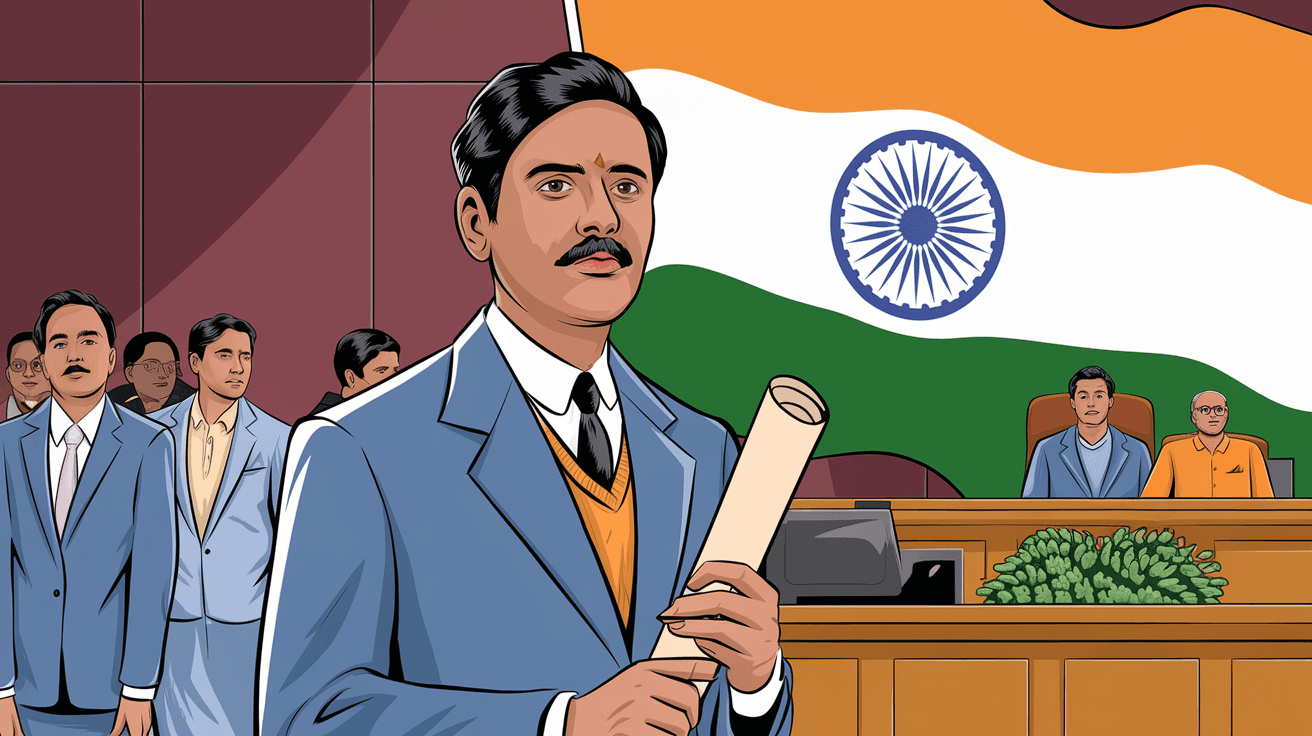
If you’ve ever wondered how a mayor is elected in India, you’re not alone. The mayor plays a crucial role in managing city affairs and representing urban citizens. But the process of electing a mayor can vary widely depending on the city and state.
In this article, I’ll walk you through the key steps and methods used to elect mayors in India. We’ll explore the differences between direct and indirect elections, the powers mayors hold, and how local laws shape this important role. By the end, you’ll have a clear understanding of how mayors come to power in Indian cities.
Before diving into the election process, it’s important to understand what a mayor does. The mayor is the head of a municipal corporation or council, responsible for overseeing city governance.
The mayor’s influence varies by city. In some places, the mayor has executive powers, while in others, the role is more ceremonial.
India has different types of urban local bodies, and the mayor is elected in municipal corporations, which govern large cities.
Only municipal corporations have mayors. Smaller urban bodies have chairpersons or presidents instead.
The election process for mayors in India depends on the state laws and the size of the city. There are two main methods:
This is the most common method. Here’s how it works:
This method is used in cities like Mumbai, Delhi, and Kolkata.
In some states, citizens directly vote for the mayoral candidate.
States like Madhya Pradesh and Rajasthan have experimented with direct mayoral elections.
India’s federal structure means each state can decide how to elect its mayors. Here are some examples:
| State | Election Method | Term Length | Notable Details |
| Maharashtra | Indirect | 2.5 years | Mumbai mayor elected by councillors |
| Tamil Nadu | Indirect | 5 years | Chennai mayor elected by councillors |
| Madhya Pradesh | Direct | 5 years | Citizens directly elect mayor |
| Rajasthan | Direct | 5 years | Direct election in Jaipur and others |
| West Bengal | Indirect | 5 years | Kolkata mayor elected by councillors |
This diversity reflects local political preferences and administrative setups.
To become a mayor in India, candidates must meet certain criteria:
Some states may have additional rules, such as educational qualifications or residency requirements.
Let’s break down the typical indirect election process:
For direct elections, the process is simpler:
The mayor’s powers vary but generally include:
In some cities, the mayor has limited executive powers, with the municipal commissioner handling administration. In others, the mayor is more influential.
Mayoral elections in India face several challenges:
Efforts are ongoing to reform urban governance and strengthen mayoral roles.
Several states are exploring reforms to improve mayoral elections:
For example, Madhya Pradesh’s direct election model has inspired debates in other states.
Understanding how a mayor is elected in India helps you appreciate the complexities of urban governance. Whether through indirect or direct elections, the mayor plays a vital role in shaping city life. The process varies widely across states, reflecting India’s diverse political and administrative landscape.
As cities grow, the importance of strong, accountable mayors will only increase. Knowing how these leaders are chosen empowers you to participate actively in local democracy. So next time you vote or hear about municipal elections, you’ll know exactly what’s at stake and how your city’s mayor comes to power.
The mayor’s term varies by state and city, typically ranging from 1 to 5 years. Some cities have 2.5-year terms, while others have 5-year terms aligned with municipal corporation tenure.
No, direct mayoral elections are limited to certain states like Madhya Pradesh and Rajasthan. Most cities elect mayors indirectly through councillors.
Candidates must be Indian citizens, at least 21 years old, registered voters in the city, and not disqualified by law. Some states may have additional criteria.
It depends on the city. In some places, the mayor has significant executive authority, while in others, the role is mostly ceremonial with the municipal commissioner handling administration.
Political parties often nominate candidates and campaign actively. The mayoral election can reflect the party’s strength in the municipal corporation, influencing city governance.