

How Many Youth in India
F
Discover verified facts, data, and insights about India’s states, culture, economy, education, and more — all in one place at FactBharat.
Search for a command to run...
Discover verified facts, data, and insights about India’s states, culture, economy, education, and more — all in one place at FactBharat.
No comments yet. Be the first to comment.
Moving to the USA from India is a dream for many. Whether you want to study, work, or live with family, the process can seem complex. But with the right information, you can plan your move confidently. I’ll guide you through the key steps and options...
Opening a college in India is a dream for many educators and entrepreneurs who want to contribute to the country’s education sector. If you are one of those who want to start a college, you need to understand the process clearly. It involves several ...
Opening a hospital in India is a significant and rewarding venture. If you’ve ever wondered how to start one, you’re in the right place. Whether you’re a healthcare professional, entrepreneur, or investor, understanding the process is crucial. You’ll...
Opening a medical store in India can be a rewarding business opportunity. You get to serve your community by providing essential medicines and healthcare products. If you are thinking about starting a medical store, you might wonder where to begin an...
Opening a restaurant in India can be an exciting and rewarding venture. Whether you dream of serving traditional Indian dishes or international cuisine, the process involves careful planning and understanding of local regulations. If you’re ready to ...
FactBharat | Insights About India
2558 posts
Discover verified facts, data, and insights about India’s states, culture, economy, education, and more — all in one place at FactBharat.
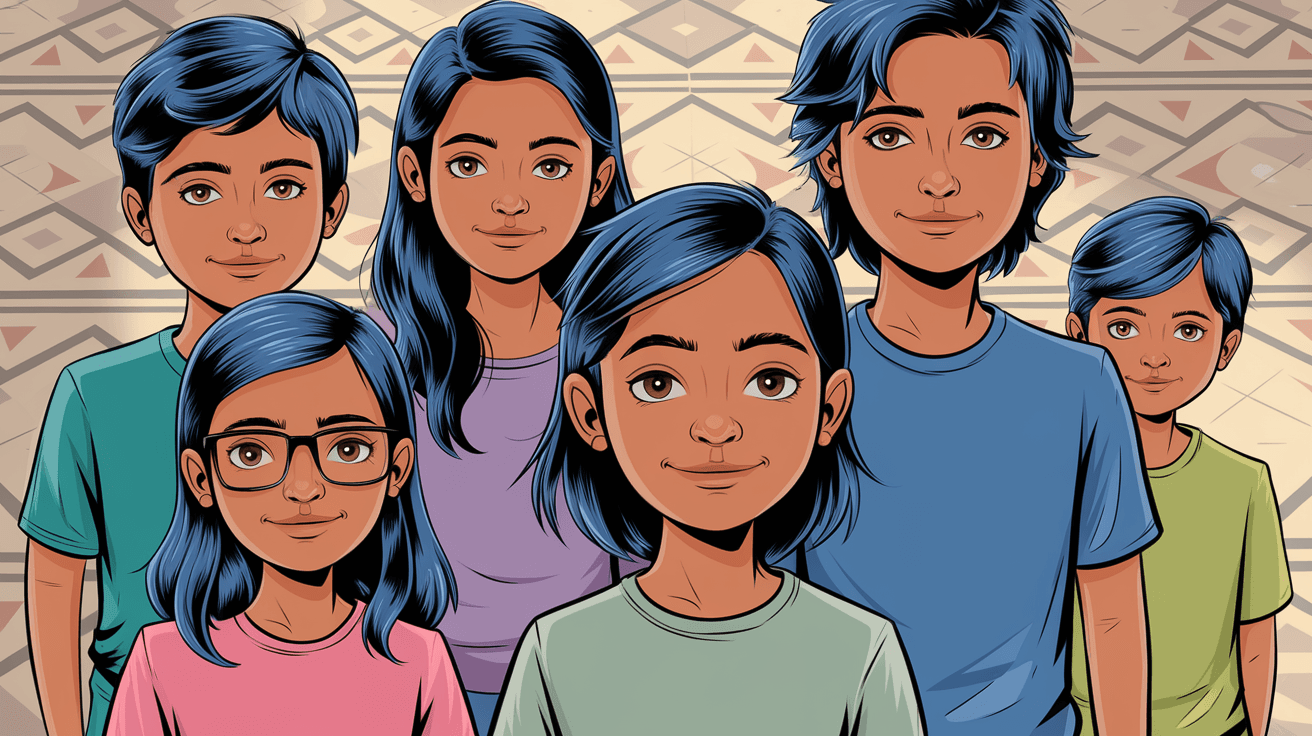
You might be curious about how many youth live in India today. Understanding this number helps us see the country's potential and challenges. Youth play a big role in shaping India’s future, from the economy to culture.
In this article, I’ll walk you through the latest facts about India’s youth population. We’ll explore who they are, where they live, and why their numbers matter. By the end, you’ll have a clear picture of India’s young generation and their importance.
When we talk about youth in India, it usually means people aged between 15 and 29 years. This age group is considered the most active and productive part of the population. They are often students, workers, or young entrepreneurs.
Knowing this age range helps us understand statistics and policies focused on young people.
India has one of the largest youth populations in the world. According to recent estimates, there are about 360 million youth in India. This means nearly 28% of the total population falls into the youth category.
This huge youth base is a key factor in India’s rapid development and innovation.
Youth in India are spread unevenly across states and regions. Some states have a higher percentage of young people due to birth rates and migration patterns.
Understanding where youth live helps in planning better services and opportunities for them.
Youth contribute significantly to India’s economy. They form the backbone of the workforce and are key drivers of innovation and entrepreneurship.
The government has launched initiatives like Skill India and Startup India to support youth employment and entrepreneurship.
Education is crucial for empowering youth. India has made progress in increasing enrollment rates, but challenges remain.
Improving education quality and access is vital for harnessing the potential of India’s youth.
Despite their numbers, Indian youth face several challenges that affect their growth and well-being.
Addressing these issues requires focused policies and community support.
Indian youth are among the fastest adopters of technology. Smartphones, social media, and digital platforms are integral to their lives.
Technology empowers youth to learn, connect, and create new opportunities.
Young people in India are increasingly active in politics and social causes. They use their voices to demand change and participate in democracy.
This engagement shows the growing influence of youth in shaping India’s future.
The Indian government has several programs aimed at youth development.
These policies aim to unlock the full potential of India’s young population.
India’s youth population is expected to remain large for the next few decades. This offers both opportunities and challenges.
Your understanding of India’s youth helps appreciate their role in the country’s journey ahead.
You now know that India has around 360 million youth, making up a significant part of the population. This young generation is vital for the country’s economy, culture, and future. Their energy and creativity can lead India to new heights.
However, challenges like unemployment and education gaps need attention. With the right support and policies, India’s youth can become a powerful force for positive change. Keeping an eye on their growth helps us all understand the future of this vibrant nation.
India has approximately 360 million youth aged 15 to 29 years, making up about 28% of the total population.
Youth in India are typically defined as individuals between 15 and 29 years old according to the National Youth Policy.
Uttar Pradesh, Maharashtra, and Bihar have the largest youth populations due to their overall population size.
Key challenges include unemployment, mental health issues, gender disparities, and limited access to quality education and healthcare.
Technology use is widespread among Indian youth, with smartphones and social media playing a big role in education, communication, and entrepreneurship.