

How Many Youth Are Unemployed in India
F
Discover verified facts, data, and insights about India’s states, culture, economy, education, and more — all in one place at FactBharat.
Search for a command to run...
Discover verified facts, data, and insights about India’s states, culture, economy, education, and more — all in one place at FactBharat.
No comments yet. Be the first to comment.
Moving to the USA from India is a dream for many. Whether you want to study, work, or live with family, the process can seem complex. But with the right information, you can plan your move confidently. I’ll guide you through the key steps and options...
Opening a college in India is a dream for many educators and entrepreneurs who want to contribute to the country’s education sector. If you are one of those who want to start a college, you need to understand the process clearly. It involves several ...
Opening a hospital in India is a significant and rewarding venture. If you’ve ever wondered how to start one, you’re in the right place. Whether you’re a healthcare professional, entrepreneur, or investor, understanding the process is crucial. You’ll...
Opening a medical store in India can be a rewarding business opportunity. You get to serve your community by providing essential medicines and healthcare products. If you are thinking about starting a medical store, you might wonder where to begin an...
Opening a restaurant in India can be an exciting and rewarding venture. Whether you dream of serving traditional Indian dishes or international cuisine, the process involves careful planning and understanding of local regulations. If you’re ready to ...
FactBharat | Insights About India
2558 posts
Discover verified facts, data, and insights about India’s states, culture, economy, education, and more — all in one place at FactBharat.
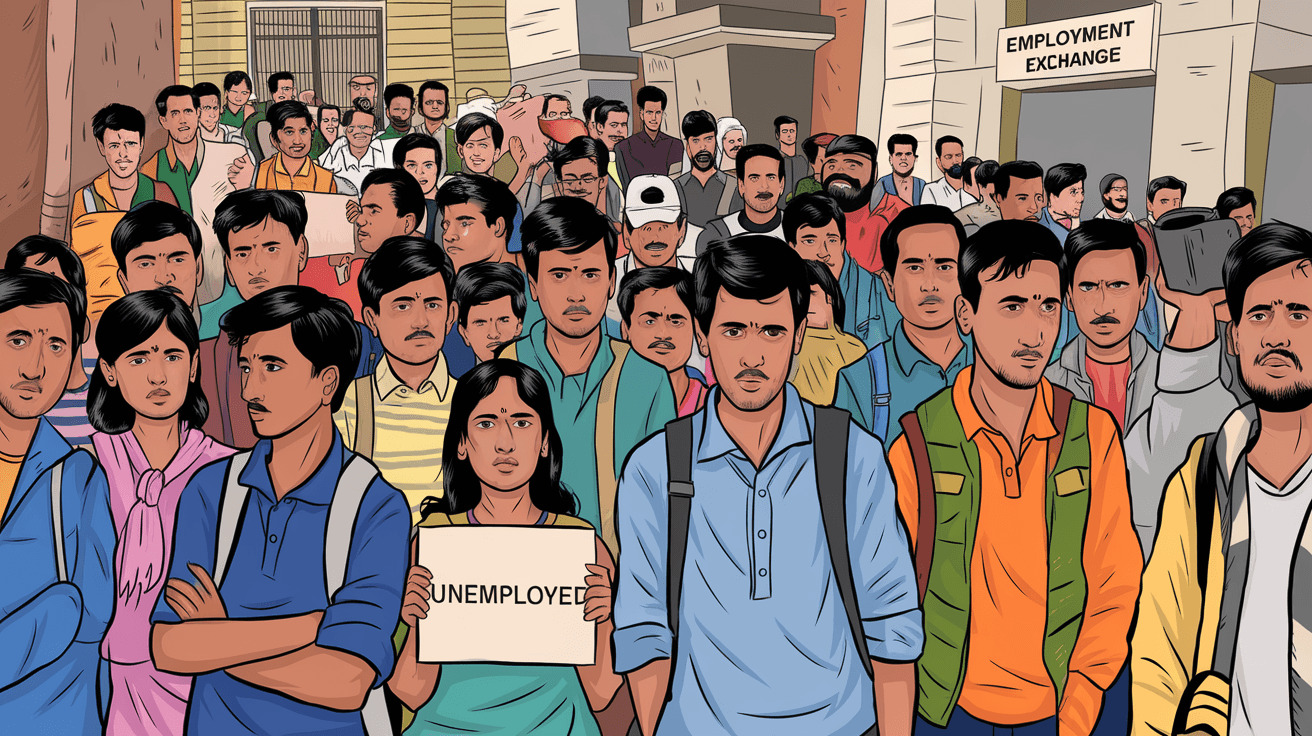
You might be wondering how many young people in India are currently unemployed. This is a big question because youth unemployment affects not just individuals but the whole country's growth. When young people can’t find jobs, it impacts their future and the economy.
In this article, I’ll walk you through the latest facts about youth unemployment in India. We’ll look at the numbers, reasons behind the problem, and what can be done to improve the situation. By the end, you’ll have a clear understanding of this important issue.
Youth unemployment means young people, usually between 15 and 29 years old, who are able and willing to work but cannot find jobs. It’s different from general unemployment because it focuses on the younger population entering the workforce.
Understanding youth unemployment helps us see how well a country supports its future workforce.
India has a large young population, with over 600 million people under the age of 25. This makes youth unemployment a critical issue.
These numbers show that nearly one in four young Indians looking for work cannot find a job, which is a serious challenge.
Several factors contribute to the high youth unemployment rate in India. Understanding these causes can help us find better solutions.
Many young people graduate without the skills that employers need. This mismatch makes it hard for them to get hired.
India’s youth population is growing fast, but job creation is not keeping pace.
Economic challenges also affect youth employment.
Young women face more barriers to employment.
Youth unemployment has wide-reaching effects beyond just the individual.
Addressing youth unemployment is crucial for India’s social stability and economic future.
The Indian government has launched several programs to reduce youth unemployment and improve skills.
Education plays a key role in reducing youth unemployment.
Schools and colleges must work closely with industries to ensure students gain marketable skills.
Besides government efforts, private companies and NGOs contribute to solving youth unemployment.
These efforts complement government initiatives and reach more young people.
If you are a young job seeker, there are steps you can take to increase your chances of finding work.
Being proactive and adaptable is key in today’s job market.
The future of youth employment in India depends on several factors.
If these areas improve, youth unemployment rates can decline, benefiting the entire country.
Youth unemployment in India remains a significant challenge, with nearly one in four young people unable to find jobs. This issue stems from skill mismatches, economic factors, and social barriers. However, government programs, private sector efforts, and education reforms are working to change this.
You, as a young job seeker, can also take steps to improve your skills and explore new opportunities. Together, these efforts can help India’s youth find meaningful employment and contribute to the nation’s growth and prosperity.
About 23% of Indian youth aged 15-29 are unemployed, which is much higher than the overall unemployment rate.
Youth face challenges like lack of experience, skill mismatches, and fewer job opportunities compared to older workers.
Programs like Skill India, National Career Service, and Start-Up India aim to train youth and connect them with jobs.
Education that lacks practical skills and industry relevance makes it harder for youth to find suitable jobs.
They should focus on skill development, internships, networking, and exploring entrepreneurship opportunities.