

How Many Wonders Are There in India
F
Discover verified facts, data, and insights about India’s states, culture, economy, education, and more — all in one place at FactBharat.
Search for a command to run...
Discover verified facts, data, and insights about India’s states, culture, economy, education, and more — all in one place at FactBharat.
No comments yet. Be the first to comment.
Moving to the USA from India is a dream for many. Whether you want to study, work, or live with family, the process can seem complex. But with the right information, you can plan your move confidently. I’ll guide you through the key steps and options...
Opening a college in India is a dream for many educators and entrepreneurs who want to contribute to the country’s education sector. If you are one of those who want to start a college, you need to understand the process clearly. It involves several ...
Opening a hospital in India is a significant and rewarding venture. If you’ve ever wondered how to start one, you’re in the right place. Whether you’re a healthcare professional, entrepreneur, or investor, understanding the process is crucial. You’ll...
Opening a medical store in India can be a rewarding business opportunity. You get to serve your community by providing essential medicines and healthcare products. If you are thinking about starting a medical store, you might wonder where to begin an...
Opening a restaurant in India can be an exciting and rewarding venture. Whether you dream of serving traditional Indian dishes or international cuisine, the process involves careful planning and understanding of local regulations. If you’re ready to ...
FactBharat | Insights About India
2558 posts
Discover verified facts, data, and insights about India’s states, culture, economy, education, and more — all in one place at FactBharat.
India is a land full of history, culture, and incredible landmarks. When you ask, "How many wonders are there in India?" you’re diving into a rich world of architectural marvels and natural beauty. From ancient forts to breathtaking natural sites, India offers wonders that captivate millions every year.
In this article, I’ll guide you through the famous wonders of India, including the well-known Seven Wonders of India and other remarkable sites. You’ll learn about their history, significance, and why they are considered wonders. Let’s explore these treasures together.
India is home to many wonders, but when people talk about wonders, they often refer to two main categories:
So, how many wonders are there exactly? The answer depends on what you include. Officially, the Seven Wonders of India are the most recognized, but India’s vast heritage means there are many more wonders worth exploring.
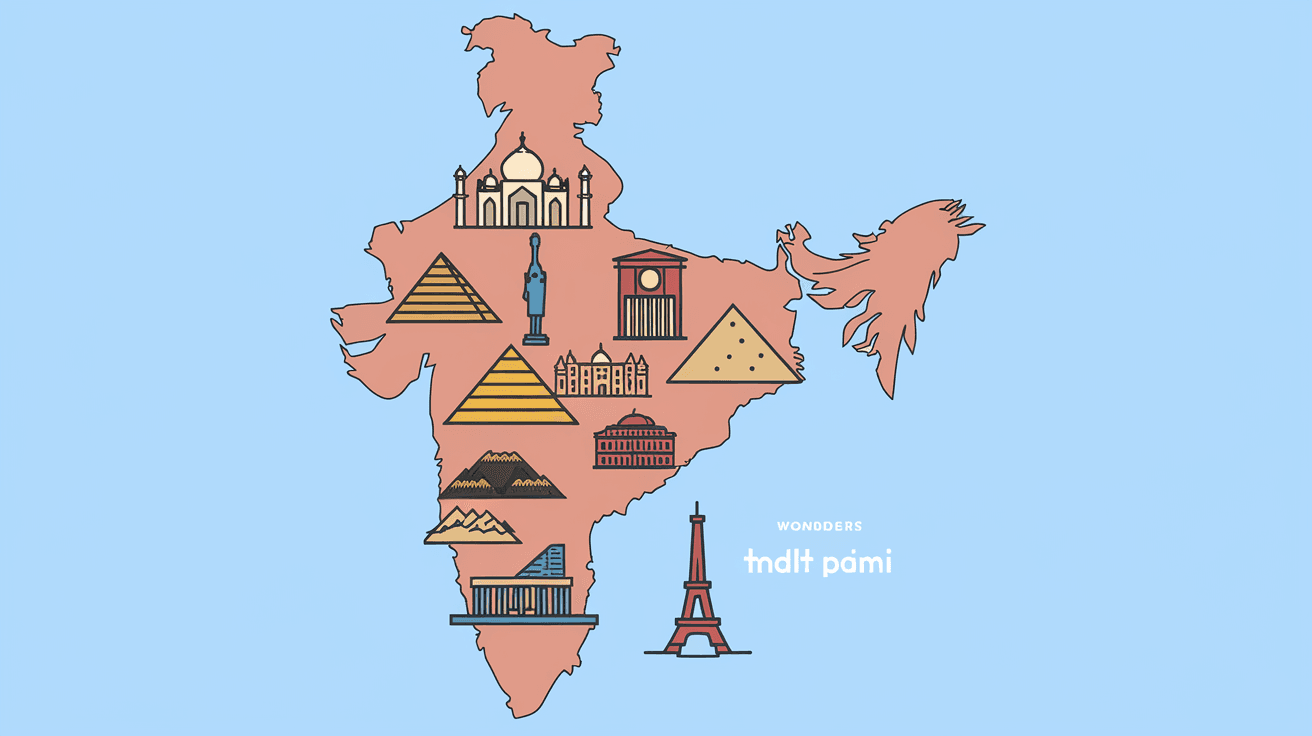
The Seven Wonders of India were selected through a nationwide poll to highlight the most remarkable monuments. These wonders showcase India’s rich history and architectural brilliance.
Here are the Seven Wonders of India:
Taj Mahal, Agra
Qutub Minar, Delhi
Red Fort, Delhi
India Gate, Delhi
Hawa Mahal, Jaipur
Gateway of India, Mumbai
Mysore Palace, Mysore
These seven wonders represent a mix of Mughal, Rajput, and colonial architecture, reflecting India’s diverse cultural heritage.
Apart from the Seven Wonders, India has many other remarkable sites that are often called wonders due to their historical or natural significance.
India has over 40 UNESCO World Heritage Sites, including:
India’s natural beauty is also considered a wonder by many:
These wonders are more than just tourist attractions. They tell stories about India’s past, culture, and the people who built them. Visiting these sites helps you understand:
If you want to see these wonders yourself, here are some tips:
So, how many wonders are there in India? Officially, the Seven Wonders of India are the most famous, but the country is filled with countless other wonders, both natural and man-made. From the Taj Mahal’s timeless beauty to the serene backwaters of Kerala, India’s wonders offer something for everyone.
Exploring these wonders lets you connect with India’s rich history and diverse culture. Whether you’re a history buff, nature lover, or curious traveler, India’s wonders will leave you amazed and inspired.
The most recognized list is the Seven Wonders of India, chosen for their historical and architectural importance.
Yes, the Taj Mahal is the most famous wonder of India and one of the New Seven Wonders of the World.
Yes, natural sites like the Himalayas and Kerala’s backwaters are often considered natural wonders of India.
It’s possible but challenging due to distances. Planning by region or multiple trips is recommended.
Some, like the Taj Mahal and Qutub Minar, are UNESCO World Heritage Sites, but not all seven are officially listed.