

How Many White Tigers Are There in India
F
Discover verified facts, data, and insights about India’s states, culture, economy, education, and more — all in one place at FactBharat.
Search for a command to run...
Discover verified facts, data, and insights about India’s states, culture, economy, education, and more — all in one place at FactBharat.
No comments yet. Be the first to comment.
Moving to the USA from India is a dream for many. Whether you want to study, work, or live with family, the process can seem complex. But with the right information, you can plan your move confidently. I’ll guide you through the key steps and options...
Opening a college in India is a dream for many educators and entrepreneurs who want to contribute to the country’s education sector. If you are one of those who want to start a college, you need to understand the process clearly. It involves several ...
Opening a hospital in India is a significant and rewarding venture. If you’ve ever wondered how to start one, you’re in the right place. Whether you’re a healthcare professional, entrepreneur, or investor, understanding the process is crucial. You’ll...
Opening a medical store in India can be a rewarding business opportunity. You get to serve your community by providing essential medicines and healthcare products. If you are thinking about starting a medical store, you might wonder where to begin an...
Opening a restaurant in India can be an exciting and rewarding venture. Whether you dream of serving traditional Indian dishes or international cuisine, the process involves careful planning and understanding of local regulations. If you’re ready to ...
FactBharat | Insights About India
2558 posts
Discover verified facts, data, and insights about India’s states, culture, economy, education, and more — all in one place at FactBharat.
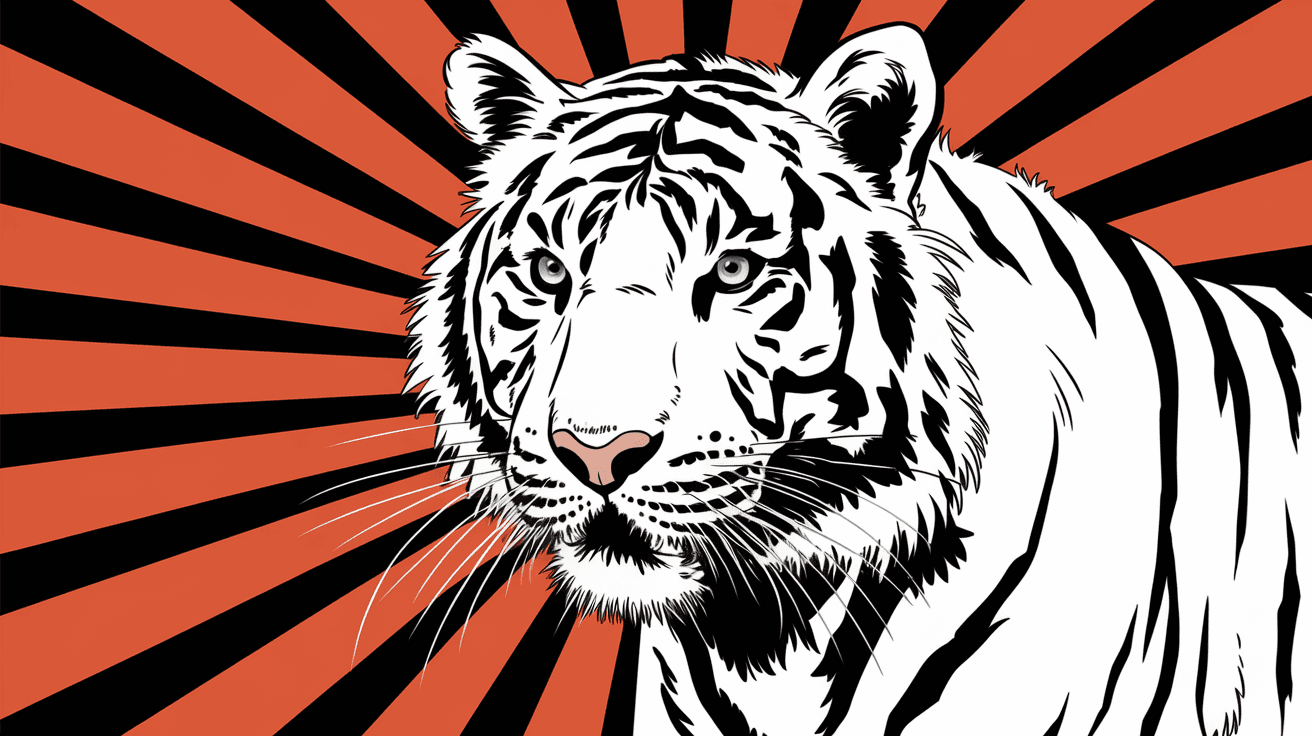
If you’ve ever wondered how many white tigers are there in India, you’re not alone. White tigers have fascinated people worldwide because of their striking appearance and rarity. These majestic creatures are not a separate species but a rare color variation of the Bengal tiger, found mainly in India.
In this article, I’ll take you through the current population of white tigers in India, their history, and conservation efforts. You’ll also learn where you can spot these beautiful animals and why their numbers are so limited. Let’s dive into the world of white tigers and uncover the facts behind their mysterious allure.
White tigers are Bengal tigers with a genetic mutation that causes their fur to be white or pale cream with black or dark brown stripes. This mutation is called leucism, which reduces pigmentation but does not affect the eyes or skin color.
This unique appearance makes them popular in zoos and wildlife parks, but it also raises concerns about their survival in the wild.
The first recorded white tiger was found in the wild in 1951 in Rewa, Madhya Pradesh, India. A local ruler named Maharaja Martand Singh captured this rare tiger, which became the foundation for breeding white tigers in captivity.
Unfortunately, this limited gene pool has led to inbreeding problems, affecting the health and survival of white tigers.
Estimating the exact number of white tigers in India is challenging because most white tigers today live in captivity rather than the wild. Here’s what we know:
The absence of white tigers in the wild is mainly due to their rarity and the disadvantage their coloration poses for camouflage.
White tigers are extremely rare in the wild because their white coat makes it difficult for them to blend into their natural environment. This lack of camouflage affects their ability to hunt and avoid danger.
Because of these factors, white tigers are almost never seen in the wild today.
Conserving white tigers is a complex issue. While they attract public interest, focusing too much on white tigers can divert attention from conserving the broader tiger population.
Conservationists generally agree that protecting wild tiger populations and their habitats is more critical than focusing on white tigers alone.
If you want to see white tigers in India, your best bet is visiting zoos and wildlife parks. Some of the most famous places include:
These facilities provide opportunities to learn about white tigers and support conservation efforts.
The future of white tigers in India depends largely on responsible breeding and conservation strategies. Here’s what experts suggest:
While white tigers will likely remain a captive population, their role in raising awareness about tiger conservation is valuable.
Now you know that white tigers are incredibly rare in the wild and mostly found in captivity across India. Their unique appearance comes from a rare genetic mutation, but this also makes survival in the wild difficult. India has around 200 to 250 white tigers in zoos and breeding centers, but none are confirmed to live freely.
Conservation efforts focus on protecting wild Bengal tigers and their habitats, while captive white tigers help raise awareness. If you want to see these beautiful animals, visiting Indian zoos and wildlife parks is your best option. Understanding the challenges white tigers face helps us appreciate the need to protect all tigers for future generations.
There are currently no confirmed white tigers living freely in the wild in India. Their white coloration makes survival difficult, so they are mostly found in captivity.
White tigers are rare because the gene causing their white fur is recessive and uncommon. Their white coat also makes hunting and camouflage difficult in the wild.
No, white tigers are not a separate species. They are Bengal tigers with a rare genetic mutation that affects their fur color.
White tigers struggle to survive in the wild due to their lack of camouflage, which makes hunting and avoiding threats harder.
You can see white tigers in zoos and wildlife parks like the National Zoological Park in Delhi, Mysore Zoo, and Nandankanan Zoological Park.