

How Many Wheels Are There in a Bus in India?
F
Discover verified facts, data, and insights about India’s states, culture, economy, education, and more — all in one place at FactBharat.
Search for a command to run...
Discover verified facts, data, and insights about India’s states, culture, economy, education, and more — all in one place at FactBharat.
No comments yet. Be the first to comment.
Moving to the USA from India is a dream for many. Whether you want to study, work, or live with family, the process can seem complex. But with the right information, you can plan your move confidently. I’ll guide you through the key steps and options...
Opening a college in India is a dream for many educators and entrepreneurs who want to contribute to the country’s education sector. If you are one of those who want to start a college, you need to understand the process clearly. It involves several ...
Opening a hospital in India is a significant and rewarding venture. If you’ve ever wondered how to start one, you’re in the right place. Whether you’re a healthcare professional, entrepreneur, or investor, understanding the process is crucial. You’ll...
Opening a medical store in India can be a rewarding business opportunity. You get to serve your community by providing essential medicines and healthcare products. If you are thinking about starting a medical store, you might wonder where to begin an...
Opening a restaurant in India can be an exciting and rewarding venture. Whether you dream of serving traditional Indian dishes or international cuisine, the process involves careful planning and understanding of local regulations. If you’re ready to ...
FactBharat | Insights About India
2558 posts
Discover verified facts, data, and insights about India’s states, culture, economy, education, and more — all in one place at FactBharat.
If you've ever wondered how many wheels a bus in India has, you're not alone. Buses are a common sight on Indian roads, carrying millions of passengers daily. But the number of wheels on these buses can vary depending on the type and size of the vehicle.
In this article, I'll walk you through the typical wheel counts for different types of buses in India. You'll also learn why the number of wheels matters for safety, stability, and road regulations. Whether you're curious about city buses or long-distance coaches, this guide has you covered.
Most buses in India have either six or ten wheels, but this depends on the bus type and its purpose. Here’s a quick breakdown:
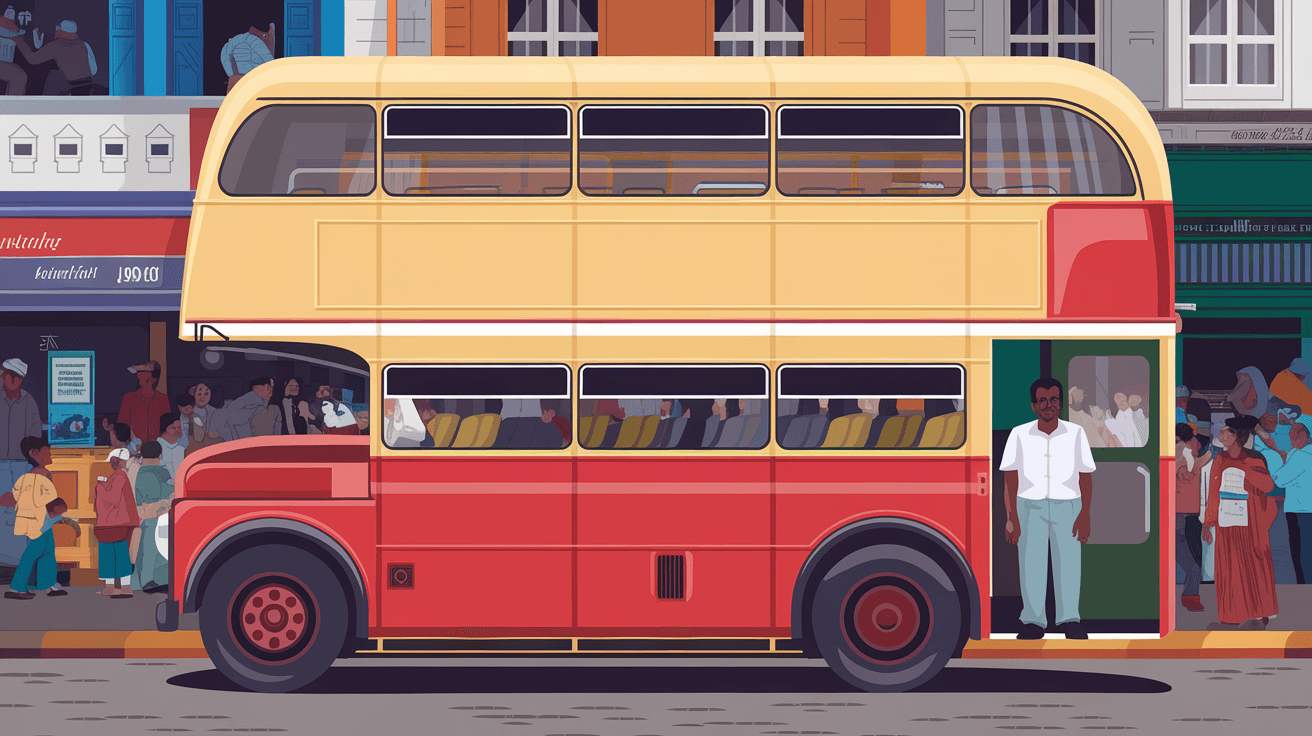
City buses in India generally have six wheels—two at the front and four at the rear. The rear wheels are often dual tires, meaning two tires on each side, which helps support the heavy passenger load.
This setup provides stability and better weight distribution. It also helps the bus handle frequent stops and starts in city traffic.
Long-distance buses or luxury coaches often have more wheels to support heavier loads and improve ride comfort. These buses usually have:
This means the bus has 10 wheels in total. The extra wheels help distribute the weight evenly and provide better traction on highways.
Mini buses, which are smaller and carry fewer passengers, usually have just four wheels—two at the front and two at the rear. These are common for short-distance travel or shuttle services.
India has a wide variety of buses, each designed for specific needs. Understanding their wheel configurations helps explain why the number of wheels varies.
City buses are designed for urban transport. They need to be maneuverable and carry many passengers.
These buses travel longer distances and offer more comfort.
Smaller buses used for short routes or private transport.
School buses in India usually have six wheels, similar to city buses, to safely carry children.
The number of wheels on a bus is not just about size. It affects several important factors:
More wheels mean better weight distribution. This reduces the risk of accidents caused by tipping or loss of control.
Buses with more wheels can carry more passengers and luggage without damaging roads or the vehicle.
Indian transport authorities regulate vehicle dimensions and wheel configurations to ensure safety and road preservation.
More wheels mean higher maintenance costs but better durability.
Understanding the wheel arrangement helps visualize why buses have different numbers of wheels.
| Bus Type | Front Axle Wheels | Rear Axle Wheels | Total Wheels | Notes |
| Mini Bus | 2 (single) | 2 (single) | 4 | Small size, light load |
| City Bus | 2 (single) | 4 (dual) | 6 | Heavy passenger load |
| Long-Distance Coach | 2 (single) | 8 (dual on two axles) | 10 | Heavy luggage, high stability |
This table shows how wheel count increases with bus size and purpose.
Indian bus manufacturers are adopting new technologies to improve wheel performance and safety.
Many buses now use tubeless tires, which reduce the risk of sudden punctures and improve fuel efficiency.
To cut costs, retreaded tires are common but must meet safety standards to avoid accidents.
Advanced buses use air suspension to improve ride comfort and reduce wear on wheels and tires.
People often ask about the number of wheels on buses and related topics. Here are some quick answers:
Why do some buses have dual tires on the rear axle?
Dual tires help support heavy loads and improve stability.
Are all buses in India required to have six wheels?
No, mini buses have four wheels, and long-distance buses can have ten.
Do more wheels mean higher fuel consumption?
Generally, yes, but modern designs aim to balance efficiency and safety.
Can buses run with a flat tire on a dual wheel?
Yes, but it’s unsafe and should be fixed immediately.
Are there electric buses with different wheel counts?
Electric buses usually follow the same wheel configurations as diesel buses.
Now you know that the number of wheels on a bus in India depends on the bus type and its purpose. City buses mostly have six wheels, long-distance coaches have ten, and mini buses have four. Each wheel setup is designed to balance safety, load capacity, and road regulations.
Understanding these differences helps you appreciate the engineering behind Indian buses. Next time you see a bus on the road, you can guess its wheel count and why it’s built that way. Whether you’re a commuter, driver, or just curious, knowing about bus wheels gives you a new perspective on everyday travel.
A standard city bus in India usually has six wheels—two single tires at the front and four dual tires at the rear.
Long-distance buses have more wheels, often ten, to support heavier loads and provide better stability on highways.
Yes, mini buses typically have four wheels, making them easier to navigate narrow roads and carry fewer passengers.
Dual tires help distribute the bus’s weight evenly and improve grip, especially when carrying heavy passenger loads.
Electric buses generally follow the same wheel configurations as traditional buses, depending on their size and purpose.