

How Many Waterways in India
F
Discover verified facts, data, and insights about India’s states, culture, economy, education, and more — all in one place at FactBharat.
Search for a command to run...
Discover verified facts, data, and insights about India’s states, culture, economy, education, and more — all in one place at FactBharat.
No comments yet. Be the first to comment.
Moving to the USA from India is a dream for many. Whether you want to study, work, or live with family, the process can seem complex. But with the right information, you can plan your move confidently. I’ll guide you through the key steps and options...
Opening a college in India is a dream for many educators and entrepreneurs who want to contribute to the country’s education sector. If you are one of those who want to start a college, you need to understand the process clearly. It involves several ...
Opening a hospital in India is a significant and rewarding venture. If you’ve ever wondered how to start one, you’re in the right place. Whether you’re a healthcare professional, entrepreneur, or investor, understanding the process is crucial. You’ll...
Opening a medical store in India can be a rewarding business opportunity. You get to serve your community by providing essential medicines and healthcare products. If you are thinking about starting a medical store, you might wonder where to begin an...
Opening a restaurant in India can be an exciting and rewarding venture. Whether you dream of serving traditional Indian dishes or international cuisine, the process involves careful planning and understanding of local regulations. If you’re ready to ...
FactBharat | Insights About India
2558 posts
Discover verified facts, data, and insights about India’s states, culture, economy, education, and more — all in one place at FactBharat.
India is a land rich in water resources, with an extensive network of rivers, canals, and other waterways. If you’ve ever wondered how many waterways India has, you’re not alone. Understanding the number and types of waterways in India helps you appreciate their role in transportation, agriculture, and the environment.
In this article, I’ll guide you through the different categories of waterways in India. We’ll explore rivers, canals, and the officially recognized national waterways. By the end, you’ll have a clear picture of India’s vast water transport system and why it matters to you and the country’s economy.
Waterways are natural or artificial channels through which water flows. They serve as routes for transportation, irrigation, and sometimes even power generation. In India, waterways include rivers, canals, backwaters, and lakes that support navigation and trade.
Here’s a quick breakdown:
Understanding these types helps you see how India uses its water resources efficiently.
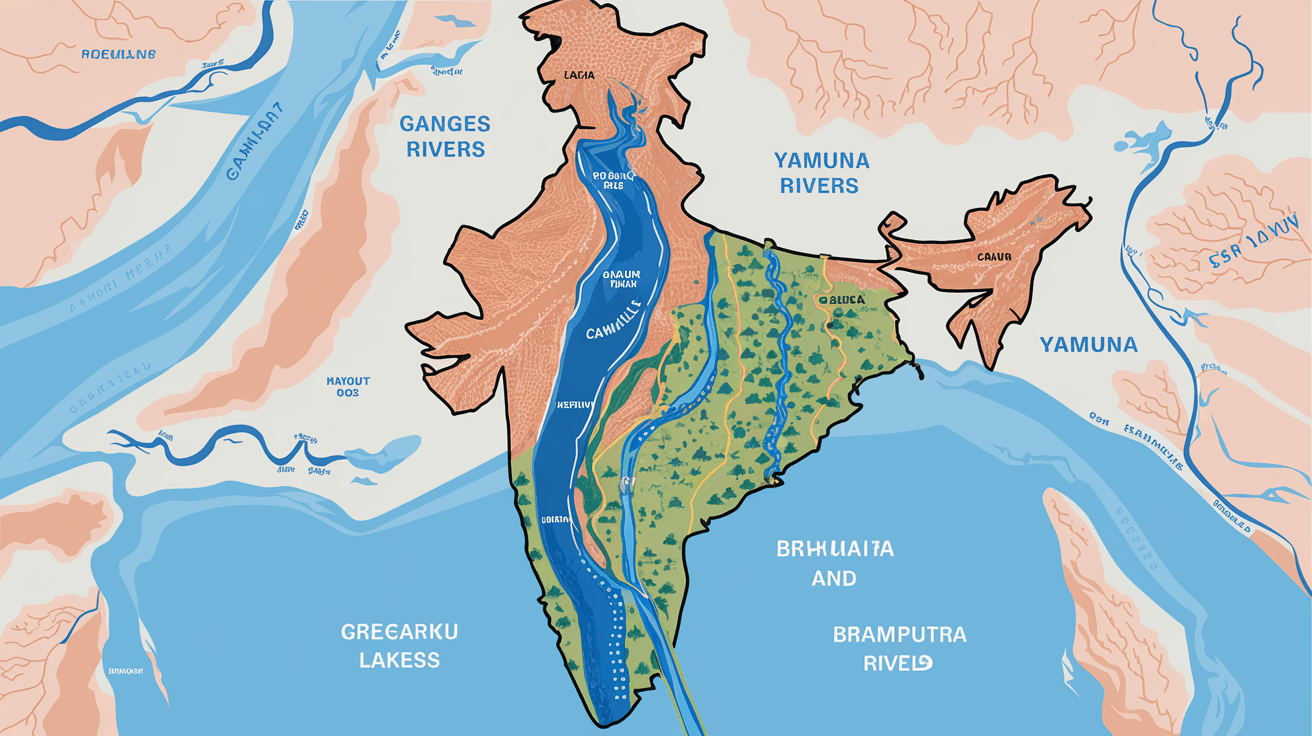
India is home to thousands of rivers, but the exact number depends on how you count them. Generally, India has over 14 major river systems and more than 50,000 smaller rivers and streams.
These major rivers support millions of people and vast agricultural lands.
Apart from the major rivers, India has thousands of smaller rivers and seasonal streams. These smaller waterways are crucial for local irrigation and drinking water.
Canals are man-made waterways built to divert water for irrigation, navigation, or drainage. India has an extensive canal network, especially in the northern and western states.
Canals complement natural waterways and increase water availability.
National Waterways (NWs) are specific waterways officially declared by the Indian government for commercial navigation. These waterways are developed and maintained by the Inland Waterways Authority of India (IWAI).
India currently has 111 National Waterways. This number has grown significantly in recent years due to government initiatives to promote inland water transport.
These waterways are being developed to reduce road and rail congestion and promote eco-friendly transport.
Waterways play a crucial role in India’s economy and environment. Here’s why they matter:
By investing in waterways, India can boost trade, reduce traffic, and protect the environment.
Despite their importance, India’s waterways face several challenges:
Addressing these issues is key to fully utilizing India’s waterways.
The Indian government has launched several programs to improve waterways:
These initiatives aim to make waterways a major transport mode by 2030.
Whether you’re a business owner, traveler, or farmer, India’s waterways offer benefits:
Understanding waterways helps you tap into these opportunities.
| Waterway Type | Description | Approximate Number/Length |
| Rivers | Natural flowing water bodies | 14 major systems, 50,000+ rivers |
| Canals | Man-made irrigation/navigation channels | Millions of hectares irrigated |
| National Waterways | Government-designated navigable routes | 111 waterways |
This table gives you a quick overview of India’s waterway network.
India’s waterways are vast and varied, including thousands of rivers, an extensive canal network, and over 100 national waterways. These waterways are vital for transport, irrigation, and the environment. The government’s focus on developing waterways shows their growing importance in India’s economy.
By understanding how many waterways India has and their roles, you can appreciate the country’s rich water heritage. Whether for business, travel, or agriculture, waterways offer many benefits that will continue to grow in the years ahead.
India has 111 national waterways designated for commercial navigation by the government.
The Ganga-Brahmaputra-Meghna river system is the longest and largest in India.
Yes, canals irrigate millions of hectares of farmland, especially in dry regions.
Challenges include siltation, pollution, lack of infrastructure, seasonal water level changes, and encroachment.
Through projects like Sagarmala, Jal Marg Vikas, and the Inland Waterways Authority of India’s initiatives.