

How Many Waterfalls in India
F
Discover verified facts, data, and insights about India’s states, culture, economy, education, and more — all in one place at FactBharat.
Search for a command to run...
Discover verified facts, data, and insights about India’s states, culture, economy, education, and more — all in one place at FactBharat.
No comments yet. Be the first to comment.
Moving to the USA from India is a dream for many. Whether you want to study, work, or live with family, the process can seem complex. But with the right information, you can plan your move confidently. I’ll guide you through the key steps and options...
Opening a college in India is a dream for many educators and entrepreneurs who want to contribute to the country’s education sector. If you are one of those who want to start a college, you need to understand the process clearly. It involves several ...
Opening a hospital in India is a significant and rewarding venture. If you’ve ever wondered how to start one, you’re in the right place. Whether you’re a healthcare professional, entrepreneur, or investor, understanding the process is crucial. You’ll...
Opening a medical store in India can be a rewarding business opportunity. You get to serve your community by providing essential medicines and healthcare products. If you are thinking about starting a medical store, you might wonder where to begin an...
Opening a restaurant in India can be an exciting and rewarding venture. Whether you dream of serving traditional Indian dishes or international cuisine, the process involves careful planning and understanding of local regulations. If you’re ready to ...
FactBharat | Insights About India
2558 posts
Discover verified facts, data, and insights about India’s states, culture, economy, education, and more — all in one place at FactBharat.
India is a land of diverse landscapes, and waterfalls are one of its most beautiful natural features. If you love nature, you might wonder, how many waterfalls are there in India? The answer is fascinating because India is home to thousands of waterfalls spread across its vast terrain. These waterfalls vary in size, height, and beauty, attracting tourists and nature lovers from all over the world.
In this article, I will take you on a journey to explore the number of waterfalls in India, where they are located, and what makes them special. Whether you want to visit the tallest waterfall or discover hidden gems, this guide will help you understand the rich waterfall heritage of India.
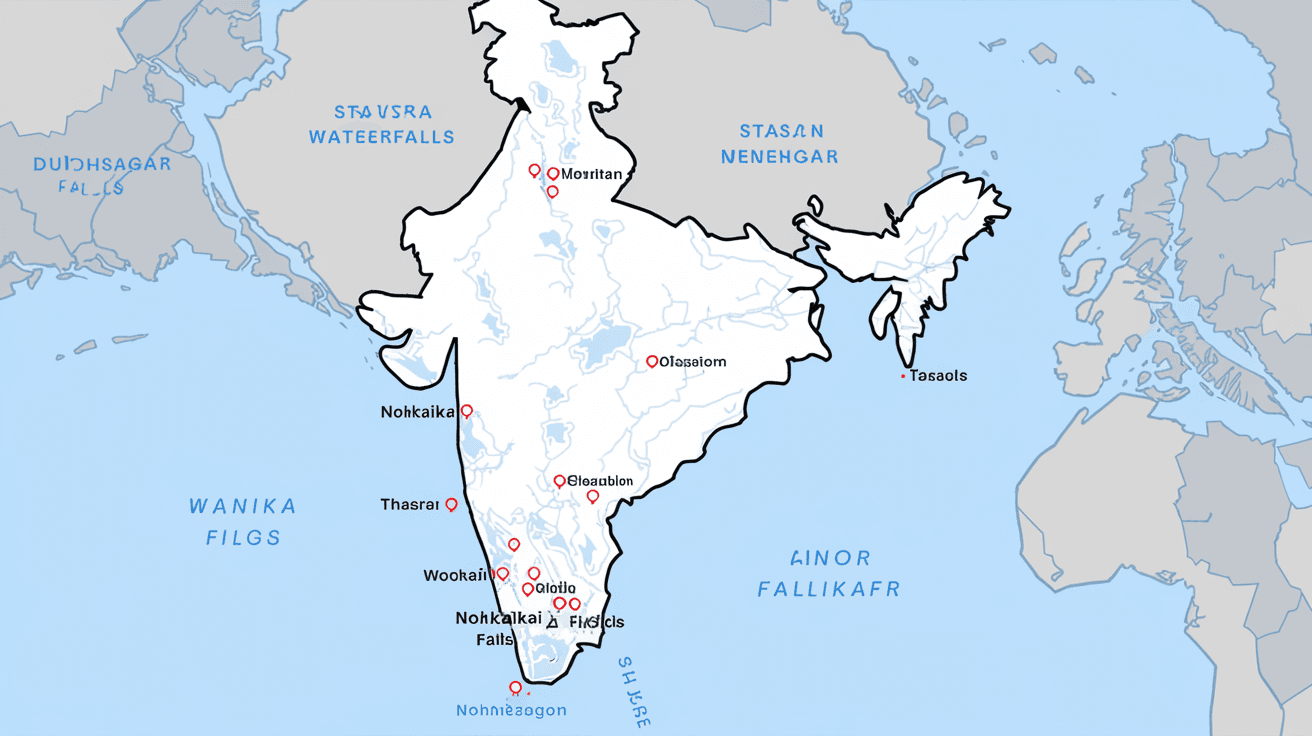
India has over 2,000 waterfalls, ranging from small cascades to some of the tallest in the world. These waterfalls are found in almost every state, thanks to the country's varied geography. From the Western Ghats to the Himalayas, and from the northeastern hills to the central plateau, waterfalls are scattered across the country.
Some waterfalls are seasonal, flowing only during the monsoon, while others are perennial and flow year-round.
Waterfalls are not evenly spread across India. Certain regions are famous for their concentration of waterfalls. Let’s look at some key areas:
The Western Ghats, a UNESCO World Heritage site, is home to many famous waterfalls. This mountain range runs along the western coast and receives heavy rainfall.
The northeastern states are rich in waterfalls due to their hilly terrain and heavy rainfall.
The Himalayas have many waterfalls formed by melting snow and mountain streams.
This region has many waterfalls, especially in the states of Chhattisgarh, Odisha, and Jharkhand.
Waterfalls come in different shapes and sizes. Understanding their types helps you appreciate their beauty more.
Waterfalls are not just beautiful; they have ecological, cultural, and economic importance.
If you want to explore some of the best waterfalls, here are a few must-visit spots:
| Waterfall | Location | Height (meters) | Special Feature |
| Jog Falls | Karnataka | 253 | Tallest plunge waterfall in India |
| Nohkalikai Falls | Meghalaya | 340 | Tallest plunge waterfall in India |
| Dudhsagar Falls | Goa | 310 | Four-tiered waterfall |
| Chitrakote Falls | Chhattisgarh | 29 | Widest waterfall in India |
| Barehipani Falls | Odisha | 399 | Second highest waterfall in India |
Planning a trip to waterfalls can be exciting. Here are some tips to help you:
Despite their beauty, waterfalls in India face some challenges:
Efforts are underway by government and NGOs to protect these natural treasures.
India boasts over 2,000 waterfalls, each with its own charm and story. From the towering Nohkalikai Falls in Meghalaya to the majestic Jog Falls in Karnataka, waterfalls are scattered across the country’s diverse landscapes. They offer not only breathtaking views but also ecological and cultural significance.
If you love nature and adventure, exploring India’s waterfalls is a rewarding experience. Remember to plan your visit carefully, respect the environment, and enjoy the natural beauty that these waterfalls bring. Whether you seek peace, thrill, or photography opportunities, India’s waterfalls have something special for you.
India has over 2,000 waterfalls spread across various states and regions, ranging from small cascades to some of the tallest in the world.
Nohkalikai Falls in Meghalaya is the tallest plunge waterfall in India, with a height of about 340 meters.
The best time to visit most waterfalls is during or just after the monsoon season, from June to September, when water flow is at its peak.
No, some waterfalls are seasonal and flow only during the monsoon, while others are perennial and flow year-round.
Famous waterfalls include Jog Falls (Karnataka), Dudhsagar Falls (Goa), Nohkalikai Falls (Meghalaya), Chitrakote Falls (Chhattisgarh), and Barehipani Falls (Odisha).