

How Many VIPs Are There in India?
F
Discover verified facts, data, and insights about India’s states, culture, economy, education, and more — all in one place at FactBharat.
Search for a command to run...
Discover verified facts, data, and insights about India’s states, culture, economy, education, and more — all in one place at FactBharat.
No comments yet. Be the first to comment.
Moving to the USA from India is a dream for many. Whether you want to study, work, or live with family, the process can seem complex. But with the right information, you can plan your move confidently. I’ll guide you through the key steps and options...
Opening a college in India is a dream for many educators and entrepreneurs who want to contribute to the country’s education sector. If you are one of those who want to start a college, you need to understand the process clearly. It involves several ...
Opening a hospital in India is a significant and rewarding venture. If you’ve ever wondered how to start one, you’re in the right place. Whether you’re a healthcare professional, entrepreneur, or investor, understanding the process is crucial. You’ll...
Opening a medical store in India can be a rewarding business opportunity. You get to serve your community by providing essential medicines and healthcare products. If you are thinking about starting a medical store, you might wonder where to begin an...
Opening a restaurant in India can be an exciting and rewarding venture. Whether you dream of serving traditional Indian dishes or international cuisine, the process involves careful planning and understanding of local regulations. If you’re ready to ...
FactBharat | Insights About India
2558 posts
Discover verified facts, data, and insights about India’s states, culture, economy, education, and more — all in one place at FactBharat.
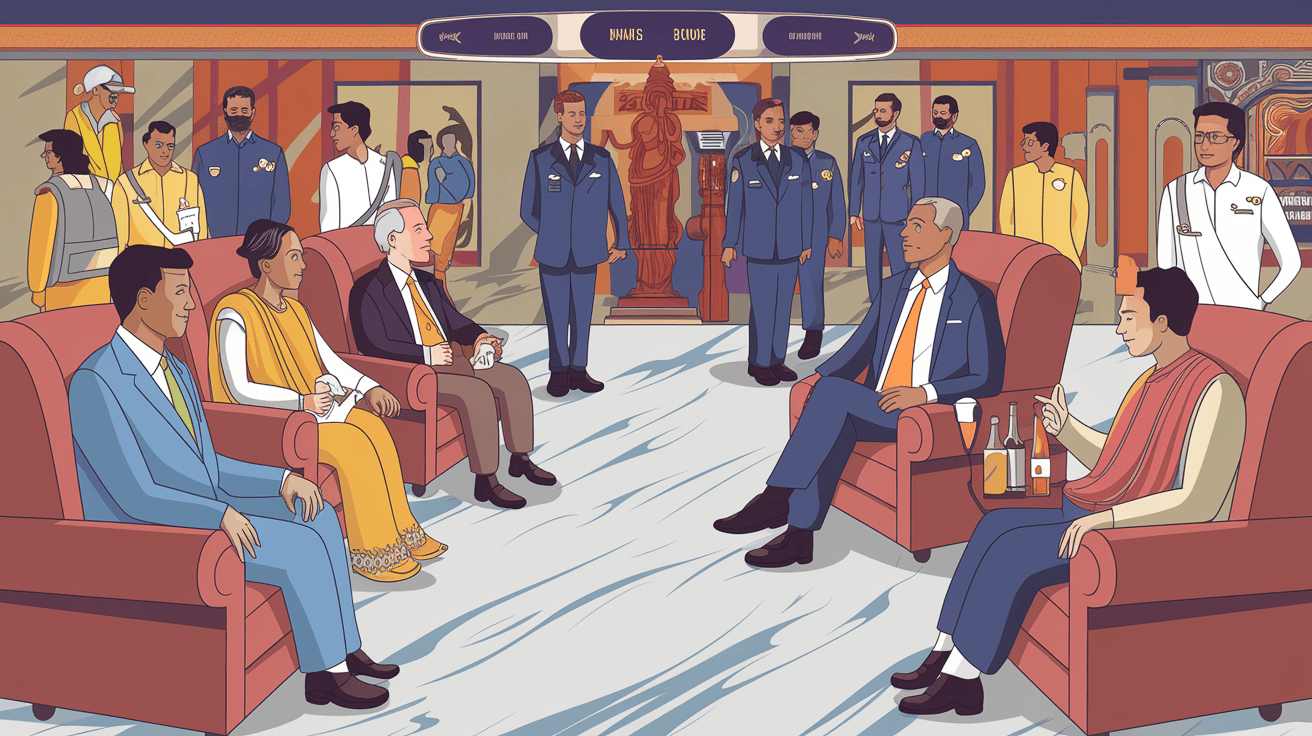
You might have wondered how many VIPs there are in India. The term VIP, or Very Important Person, is used widely in the country, but it covers a broad range of people. From politicians and celebrities to business leaders and bureaucrats, India has a large number of individuals considered VIPs.
In this article, I will help you understand who counts as a VIP in India, how many there are, and why this matters. We will explore the different categories of VIPs, the official protocols, and the impact of VIP culture on society.
In India, a VIP is someone who holds a position of power, influence, or importance. This can include:
The term VIP is not strictly defined by law but is often linked to security and protocol arrangements. For example, certain VIPs receive police protection or special privileges.
India classifies VIPs into different categories based on their roles and importance. These categories help determine the level of security and protocol they receive.
Political VIPs include:
These individuals are considered VIPs due to their official responsibilities and influence over governance.
Senior government officials like:
These bureaucrats often hold key positions in administration and law enforcement, making them VIPs in their own right.
India’s film stars, sports icons, and renowned artists are also VIPs. Examples include:
Their popularity and influence in society grant them VIP status, often accompanied by special treatment.
Prominent business leaders and entrepreneurs are considered VIPs due to their economic impact. Examples include CEOs of major companies and influential industrialists.
Some spiritual gurus and social activists are treated as VIPs because of their large following and social influence.
Estimating the exact number of VIPs in India is challenging because the term covers many categories and is not officially quantified. However, we can look at some data points to get an idea.
This means there are roughly 1,000 political VIPs at the national and state levels.
So, bureaucratic VIPs number in the tens of thousands when including senior officers.
A rough estimate could be 1,000 to 2,000 VIPs in this category.
Adding these categories, India likely has between 10,000 and 20,000 individuals considered VIPs in some capacity.
India’s large population and complex social structure contribute to the high number of VIPs. Here are some reasons:
This extensive VIP culture reflects India’s democratic and social diversity.
The government classifies VIPs based on threat perception and importance. Security is provided accordingly:
Security includes armed guards, police escorts, and sometimes paramilitary forces.
VIPs often get:
These privileges aim to facilitate their work and status.
VIP culture in India has both positive and negative effects.
There is ongoing debate about balancing VIP privileges with public convenience.
You can often spot VIPs by:
However, not all VIPs are publicly visible, especially bureaucrats or business leaders.
Understanding how many VIPs there are in India involves looking at various categories like politicians, bureaucrats, celebrities, and business leaders. While there is no exact number, estimates suggest tens of thousands of people hold VIP status in some form.
VIP culture in India reflects the country's diversity and complexity. It plays a crucial role in governance, security, and social recognition but also raises questions about fairness and public convenience. Knowing about VIPs helps you appreciate the layers of influence and responsibility in Indian society.
There are roughly 1,000 political VIPs, including Members of Parliament, Union Ministers, Chief Ministers, and state ministers.
The highest security level is Z+ security, provided to top leaders like the Prime Minister and other key figures.
Yes, famous actors, sports stars, and artists are considered VIPs due to their social influence and popularity.
VIP culture can cause traffic disruptions and public inconvenience but also ensures safety and protocol for important individuals.
Yes, senior bureaucrats like IAS and IPS officers are considered VIPs because of their administrative roles and responsibilities.