

How Many Varieties of Rice in India
F
Discover verified facts, data, and insights about India’s states, culture, economy, education, and more — all in one place at FactBharat.
Search for a command to run...
Discover verified facts, data, and insights about India’s states, culture, economy, education, and more — all in one place at FactBharat.
No comments yet. Be the first to comment.
Moving to the USA from India is a dream for many. Whether you want to study, work, or live with family, the process can seem complex. But with the right information, you can plan your move confidently. I’ll guide you through the key steps and options...
Opening a college in India is a dream for many educators and entrepreneurs who want to contribute to the country’s education sector. If you are one of those who want to start a college, you need to understand the process clearly. It involves several ...
Opening a hospital in India is a significant and rewarding venture. If you’ve ever wondered how to start one, you’re in the right place. Whether you’re a healthcare professional, entrepreneur, or investor, understanding the process is crucial. You’ll...
Opening a medical store in India can be a rewarding business opportunity. You get to serve your community by providing essential medicines and healthcare products. If you are thinking about starting a medical store, you might wonder where to begin an...
Opening a restaurant in India can be an exciting and rewarding venture. Whether you dream of serving traditional Indian dishes or international cuisine, the process involves careful planning and understanding of local regulations. If you’re ready to ...
FactBharat | Insights About India
2558 posts
Discover verified facts, data, and insights about India’s states, culture, economy, education, and more — all in one place at FactBharat.
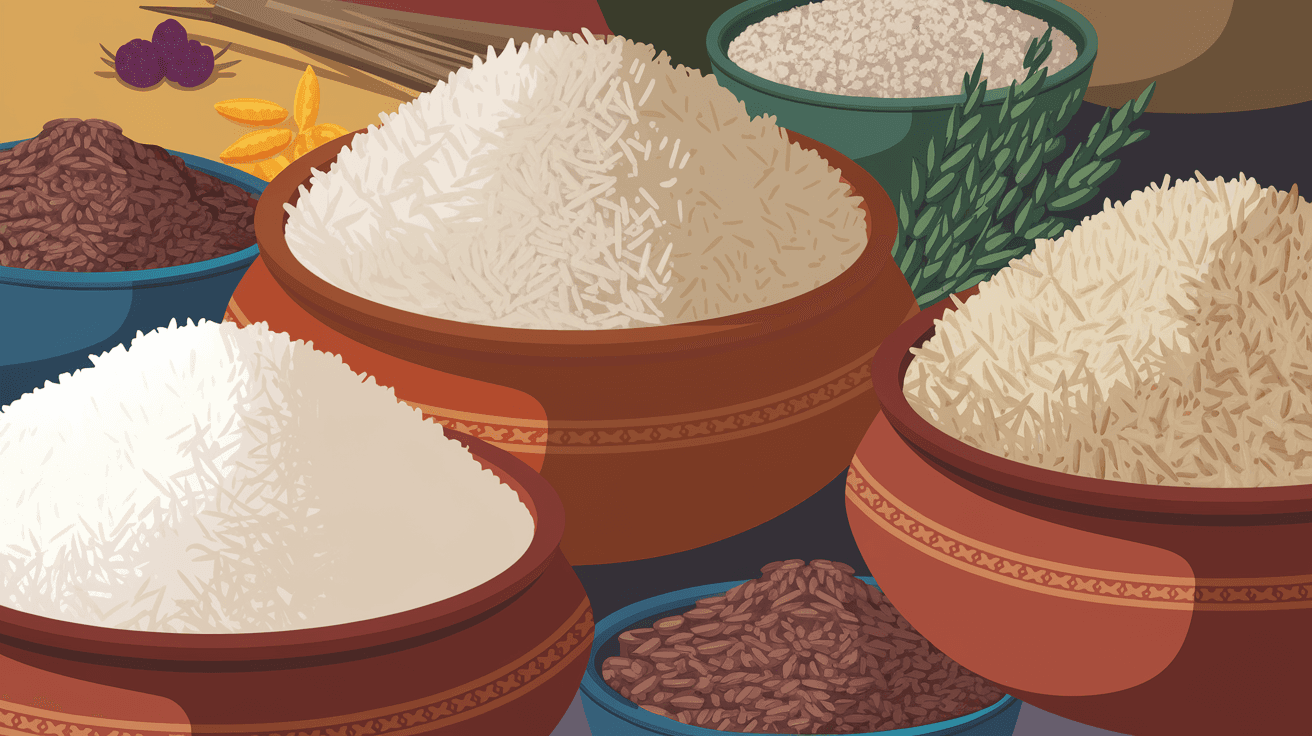
India is known as the land of rice, with its vast agricultural diversity and rich culinary traditions. If you’ve ever wondered how many varieties of rice exist in India, you’re not alone. The country grows thousands of rice types, each with unique qualities suited to different climates, tastes, and uses. Understanding this diversity helps you appreciate the cultural and agricultural richness behind every grain.
In this article, I’ll take you through the fascinating world of Indian rice varieties. We’ll explore the main types, regional specialties, and what makes each variety special. Whether you’re a food lover, a farmer, or just curious, you’ll find plenty of interesting facts about India’s rice heritage.
India is one of the largest producers and consumers of rice globally. The country cultivates over 100,000 varieties of rice, but among these, around 40,000 are traditional or indigenous varieties. This vast number reflects the diverse agro-climatic zones across India, from the Himalayan foothills to the coastal plains.
Rice varieties in India are broadly classified into three categories based on grain size and texture:
Each category includes numerous sub-varieties, adapted to local conditions and culinary preferences.
Basmati is perhaps the most famous Indian rice variety worldwide. Known for its fragrant aroma and long, slender grains, Basmati is primarily grown in the northern states like Punjab, Haryana, and Uttarakhand.
Non-Basmati rice varieties are more common in everyday Indian cooking. These include many regional types with different textures and flavors.
India’s indigenous rice varieties are treasured for their nutritional value and adaptability. Many are grown by small farmers using traditional methods.
India’s diverse geography means rice varieties vary widely by region. Here’s a look at some notable regional types:
Indian rice varieties are not just diverse in appearance but also in nutritional content. Many traditional varieties are rich in fiber, vitamins, and minerals compared to polished white rice.
Culinary uses vary widely:
Despite the vast number of rice varieties, many traditional types are at risk of disappearing. Modern agriculture favors high-yield varieties, which can reduce genetic diversity.
Organizations like the Indian Council of Agricultural Research (ICAR) and various NGOs work to document and protect these varieties.
With so many options, picking the right rice can be confusing. Here are some tips:
India’s rice varieties are a testament to the country’s rich agricultural heritage and cultural diversity. From the fragrant Basmati of the north to the earthy Matta rice of the south, each variety tells a story of the land and people who cultivate it. With over 100,000 varieties, India offers an incredible range of rice types, each suited to different tastes and uses.
Understanding these varieties helps you appreciate the complexity behind a simple bowl of rice. Whether you’re cooking a festive meal or exploring healthy options, knowing about India’s rice diversity can enrich your culinary experience. So next time you enjoy rice, remember the centuries of tradition and care behind every grain.
India grows over 100,000 rice varieties, including around 40,000 traditional or indigenous types adapted to various regions and climates.
Basmati rice is the most popular and internationally recognized variety, especially known for its aroma and long grains.
Brown rice, red rice, and many indigenous varieties are healthier due to higher fiber, vitamins, and minerals compared to polished white rice.
Yes, varieties like Joha from Assam, Ambemohar from Maharashtra, and Gobindobhog from West Bengal are aromatic and prized locally.
Rice diversity is conserved through seed banks, government programs, and efforts by farmers and NGOs to protect traditional varieties from extinction.