

How Many Types of Security Are There in India?
F
Discover verified facts, data, and insights about India’s states, culture, economy, education, and more — all in one place at FactBharat.
Search for a command to run...
Discover verified facts, data, and insights about India’s states, culture, economy, education, and more — all in one place at FactBharat.
No comments yet. Be the first to comment.
Moving to the USA from India is a dream for many. Whether you want to study, work, or live with family, the process can seem complex. But with the right information, you can plan your move confidently. I’ll guide you through the key steps and options...
Opening a college in India is a dream for many educators and entrepreneurs who want to contribute to the country’s education sector. If you are one of those who want to start a college, you need to understand the process clearly. It involves several ...
Opening a hospital in India is a significant and rewarding venture. If you’ve ever wondered how to start one, you’re in the right place. Whether you’re a healthcare professional, entrepreneur, or investor, understanding the process is crucial. You’ll...
Opening a medical store in India can be a rewarding business opportunity. You get to serve your community by providing essential medicines and healthcare products. If you are thinking about starting a medical store, you might wonder where to begin an...
Opening a restaurant in India can be an exciting and rewarding venture. Whether you dream of serving traditional Indian dishes or international cuisine, the process involves careful planning and understanding of local regulations. If you’re ready to ...
FactBharat | Insights About India
2558 posts
Discover verified facts, data, and insights about India’s states, culture, economy, education, and more — all in one place at FactBharat.
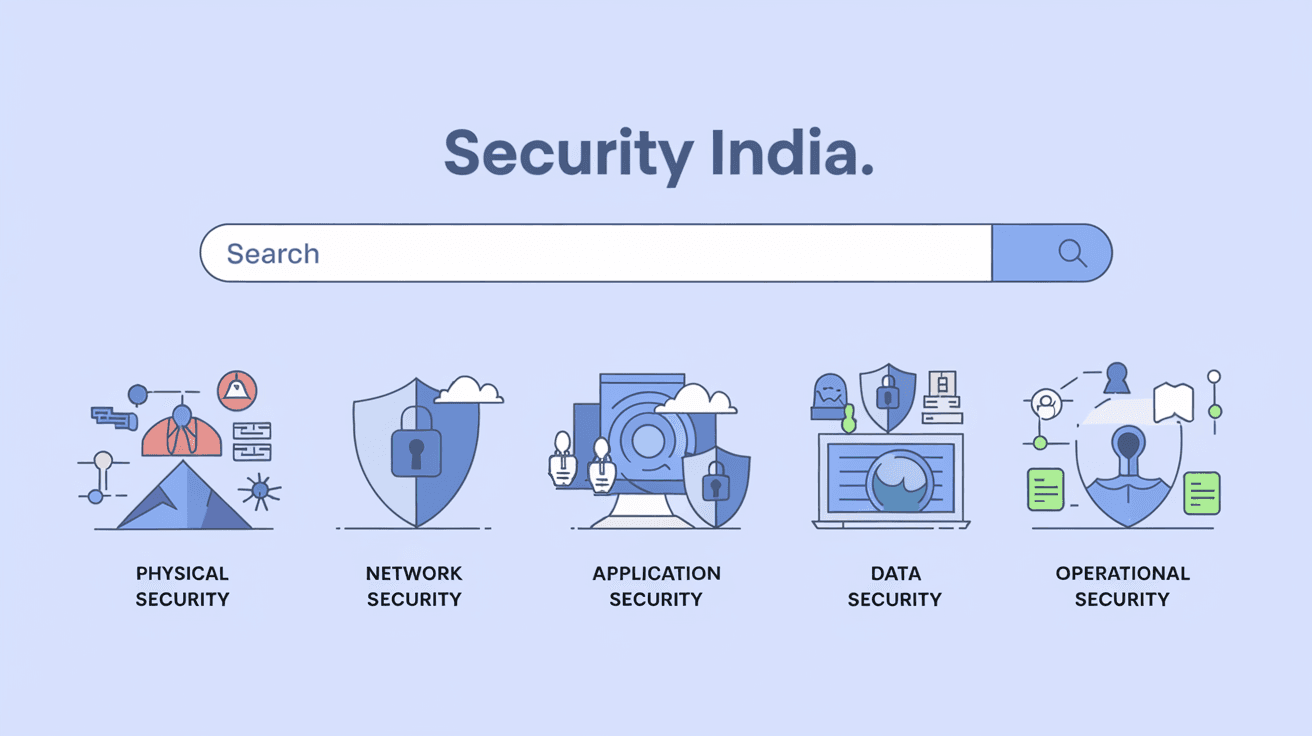
When you think about security in India, you might wonder how many types of security exist and what roles they play. India, being a vast and diverse country, has multiple layers of security to protect its citizens, borders, and interests. Whether it’s guarding against external threats or ensuring internal peace, security in India covers a broad spectrum.
In this article, I’ll walk you through the main types of security in India. You’ll learn about internal security, external security, cyber security, and other specialized forms. Understanding these will give you a clearer picture of how India maintains safety and stability in a complex environment.
Internal security is about maintaining peace and order within the country. It involves protecting citizens from threats like terrorism, insurgency, communal violence, and crime. India faces unique challenges due to its size, population, and diversity.
Internal security also involves managing social harmony and responding to natural disasters or emergencies. The government continuously updates policies to tackle evolving threats like cybercrime and radicalization.
External security focuses on defending India’s borders and interests from foreign threats. Given India’s geopolitical location, this is a critical area.
India’s external security strategy includes maintaining strong defense capabilities, intelligence sharing with allies, and modernizing military technology.
With the rise of digital technology, cyber security has become a vital part of India’s security framework. Cyber threats can target government systems, businesses, and individuals.
Cyber security is a growing field in India, with increasing investment in technology and training to counter sophisticated cyber attacks.
Economic security ensures that the country’s financial systems and resources are stable and protected. It supports overall national security by maintaining economic growth and preventing financial crimes.
Economic security helps India withstand global financial shocks and maintain social stability.
Environmental security is about protecting natural resources and managing risks from environmental disasters. India faces challenges like pollution, deforestation, and climate change.
Environmental security supports the health and well-being of India’s population and preserves resources for future generations.
Social security provides support to vulnerable groups, ensuring basic needs and rights are met. It is crucial for reducing poverty and inequality.
Social security strengthens social cohesion and helps maintain peace by addressing economic disparities.
Military security is a subset of external security but deserves special mention due to its importance. India has one of the largest and most modern armed forces in the world.
India’s military security is continuously evolving to meet new challenges, including border disputes and terrorism.
Intelligence security involves gathering and analyzing information to prevent threats. It supports both internal and external security.
These agencies work together to provide timely information for decision-making and threat prevention.
Corporate security protects businesses from risks like theft, fraud, and cyber attacks. It is vital for economic growth and investor confidence.
Many Indian companies now invest heavily in security to safeguard their assets and reputation.
India’s security landscape is complex and multi-layered. From internal and external security to cyber, economic, and environmental security, each type plays a vital role in protecting the nation. Together, they ensure that India remains safe, stable, and ready to face future challenges.
Understanding these different types of security helps you appreciate the efforts behind maintaining peace and development in India. Whether it’s the armed forces guarding borders or cyber teams fighting online threats, every part contributes to the country’s overall safety.
India has several types of security, including internal, external, cyber, economic, environmental, social, military, intelligence, and corporate security.
Internal security involves protecting citizens from threats like terrorism, crime, and communal violence within the country, using police, paramilitary forces, and intelligence agencies.
The Border Security Force (BSF), Indo-Tibetan Border Police (ITBP), and Coast Guard are key forces responsible for guarding India’s borders.
India manages cyber security through CERT-In, cybercrime units, data protection laws, and public awareness campaigns to prevent cyber attacks and protect data.
Economic security ensures financial stability, prevents financial crimes, secures energy and food supplies, and supports overall national security and growth.