

How Many Types of Painting in India
F
Discover verified facts, data, and insights about India’s states, culture, economy, education, and more — all in one place at FactBharat.
Search for a command to run...
Discover verified facts, data, and insights about India’s states, culture, economy, education, and more — all in one place at FactBharat.
No comments yet. Be the first to comment.
Moving to the USA from India is a dream for many. Whether you want to study, work, or live with family, the process can seem complex. But with the right information, you can plan your move confidently. I’ll guide you through the key steps and options...
Opening a college in India is a dream for many educators and entrepreneurs who want to contribute to the country’s education sector. If you are one of those who want to start a college, you need to understand the process clearly. It involves several ...
Opening a hospital in India is a significant and rewarding venture. If you’ve ever wondered how to start one, you’re in the right place. Whether you’re a healthcare professional, entrepreneur, or investor, understanding the process is crucial. You’ll...
Opening a medical store in India can be a rewarding business opportunity. You get to serve your community by providing essential medicines and healthcare products. If you are thinking about starting a medical store, you might wonder where to begin an...
Opening a restaurant in India can be an exciting and rewarding venture. Whether you dream of serving traditional Indian dishes or international cuisine, the process involves careful planning and understanding of local regulations. If you’re ready to ...
FactBharat | Insights About India
2558 posts
Discover verified facts, data, and insights about India’s states, culture, economy, education, and more — all in one place at FactBharat.
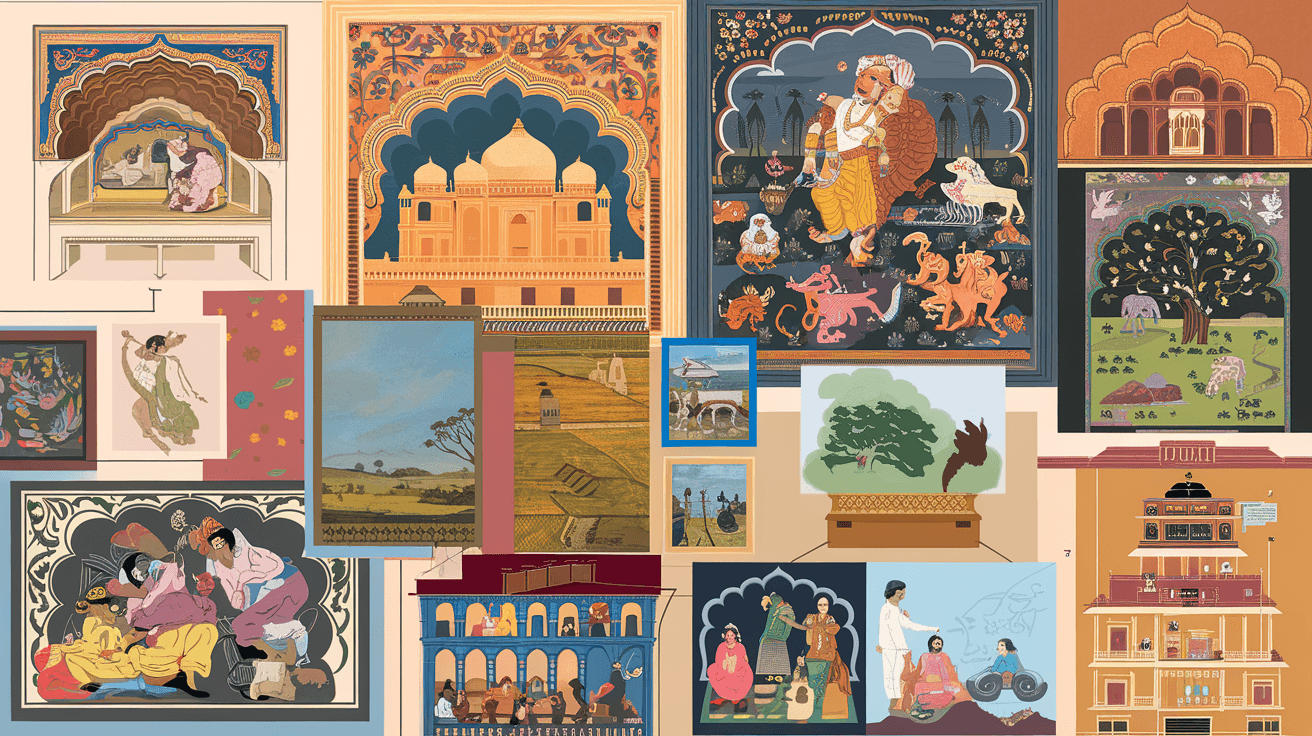
India is a land of vibrant colors and rich artistic traditions. When you look at Indian paintings, you see more than just art; you see stories, culture, and history woven into every brushstroke. If you’ve ever wondered how many types of painting exist in India, you’re about to discover a fascinating world of styles that have evolved over centuries.
We’ll explore the most famous painting styles from different regions of India, each with its unique techniques and themes. Whether you’re an art lover or just curious, this guide will help you understand the diversity and beauty of Indian paintings.
India’s painting heritage is vast and varied. Many styles are linked to specific regions and communities, reflecting local culture and beliefs. These traditional paintings often use natural colors and depict religious or mythological themes.
Madhubani painting comes from Bihar and is known for its bright colors and intricate patterns. Artists use fingers, twigs, and brushes to create detailed designs. The paintings often show nature, gods, and festivals.
Originating from Maharashtra, Warli painting is a tribal art form that uses simple white patterns on a mud background. It tells stories of daily life, farming, and rituals using geometric shapes.
Pattachitra is a traditional art from Odisha and West Bengal. It involves painting on cloth or dried palm leaves with bold lines and vibrant colors. The themes are mostly religious, focusing on Lord Jagannath and other deities.
Tanjore painting is famous for its rich colors and use of gold foil. Originating in Tamil Nadu, these paintings often depict Hindu gods and goddesses with a three-dimensional effect.
Kalamkari is a textile art from Andhra Pradesh and Telangana. It involves hand-painting or block-printing with natural dyes. The word "Kalamkari" means "pen work," referring to the fine brushwork used.
India’s vast geography has given rise to many regional painting styles, each with distinct features and cultural significance.
Rajasthan is known for its miniature paintings, which are small, detailed works often illustrating royal life and legends. These paintings use bright colors and fine brushwork.
Mughal painting developed under the Mughal Empire and blends Persian and Indian styles. It is known for its realism, detailed portraits, and use of shading.
The Bengal School emerged in the early 20th century as a nationalist movement. It revived traditional Indian art forms and rejected Western styles.
Mysore painting from Karnataka is similar to Tanjore but uses less gold. It is known for its elegance and detailed brushwork.
While traditional styles remain popular, modern Indian artists have developed new forms that blend old and new techniques.
Modern Indian art includes abstract, expressionist, and contemporary styles. Artists like M.F. Husain and F.N. Souza brought Indian themes to the global stage with bold colors and innovative forms.
In urban India, street art has become a popular form of expression. Artists use walls to comment on social issues, politics, and culture.
Understanding the materials and techniques helps appreciate the skill behind Indian paintings.
Each painting style tells a story about the people and times it comes from. For example:
These paintings are more than art; they are cultural documents preserving India’s diverse heritage.
Many organizations and artists work to keep these painting styles alive. Museums, art schools, and government programs support traditional artists. You can also find workshops and exhibitions that showcase Indian paintings.
If you want to experience Indian paintings, here are some ways:
India’s painting styles are a colorful tapestry of history, culture, and creativity. From the tribal Warli art to the royal Mughal miniatures, each style offers a unique glimpse into India’s soul. Whether you admire the intricate details of Tanjore paintings or the bold strokes of modern Indian art, there’s something for everyone.
Exploring these paintings helps you connect with India’s rich heritage and appreciate the skill and stories behind every piece. So next time you see an Indian painting, you’ll know it’s more than just art—it’s a vibrant tradition that continues to inspire.
India has over a dozen well-known traditional painting styles, including Madhubani, Warli, Pattachitra, Tanjore, Kalamkari, and many regional styles like Rajasthani and Mughal paintings.
Traditional Indian paintings often use natural dyes from plants and minerals, brushes made from animal hair or twigs, and surfaces like cloth, paper, palm leaves, or walls.
Tanjore painting from Tamil Nadu is famous for its use of gold foil, giving the artwork a rich and three-dimensional effect.
Many traditional Indian paintings depict religious themes, but there are also styles that focus on daily life, nature, and social stories, especially in tribal and folk art.
Yes, many artists and institutions offer online workshops and tutorials to learn various Indian painting techniques, making it easier to explore these art forms from anywhere.