

How Many Types of Mushrooms Are There in India?
F
Discover verified facts, data, and insights about India’s states, culture, economy, education, and more — all in one place at FactBharat.
Search for a command to run...
Discover verified facts, data, and insights about India’s states, culture, economy, education, and more — all in one place at FactBharat.
No comments yet. Be the first to comment.
Moving to the USA from India is a dream for many. Whether you want to study, work, or live with family, the process can seem complex. But with the right information, you can plan your move confidently. I’ll guide you through the key steps and options...
Opening a college in India is a dream for many educators and entrepreneurs who want to contribute to the country’s education sector. If you are one of those who want to start a college, you need to understand the process clearly. It involves several ...
Opening a hospital in India is a significant and rewarding venture. If you’ve ever wondered how to start one, you’re in the right place. Whether you’re a healthcare professional, entrepreneur, or investor, understanding the process is crucial. You’ll...
Opening a medical store in India can be a rewarding business opportunity. You get to serve your community by providing essential medicines and healthcare products. If you are thinking about starting a medical store, you might wonder where to begin an...
Opening a restaurant in India can be an exciting and rewarding venture. Whether you dream of serving traditional Indian dishes or international cuisine, the process involves careful planning and understanding of local regulations. If you’re ready to ...
FactBharat | Insights About India
2558 posts
Discover verified facts, data, and insights about India’s states, culture, economy, education, and more — all in one place at FactBharat.
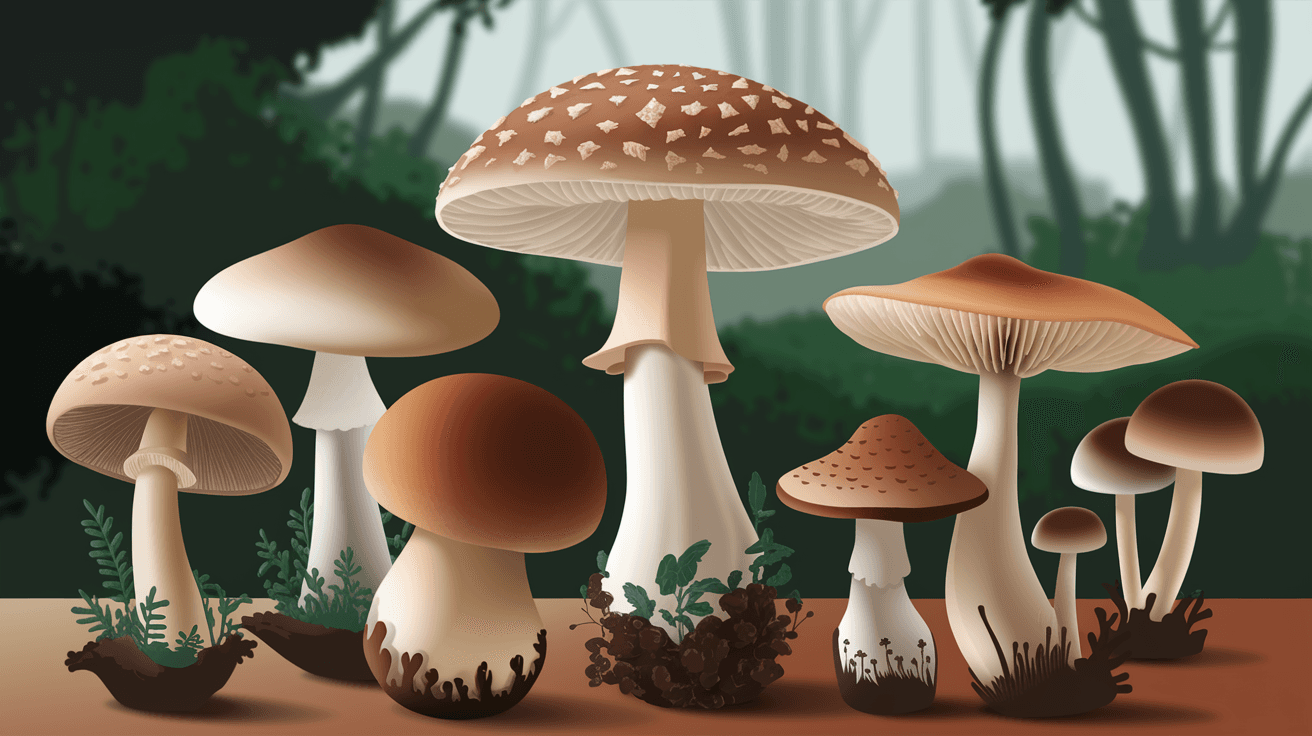
Mushrooms are fascinating organisms that grow in many parts of the world, including India. If you’ve ever wondered how many types of mushrooms exist in India, you’re not alone. India’s diverse climate and geography support a wide variety of mushrooms, from edible to medicinal and even wild species. Understanding these types can help you appreciate their role in cooking, health, and the environment.
In this article, I’ll take you through the main types of mushrooms found in India. We’ll explore common edible varieties, wild mushrooms, and those used in traditional medicine. Whether you’re a mushroom lover, a cook, or just curious, this guide will give you a clear picture of India’s mushroom diversity.
India’s vast landscape, ranging from the Himalayas to tropical forests, creates ideal conditions for many mushroom species. Experts estimate that India hosts over 2,000 species of mushrooms. However, only a fraction of these are well-known or widely used.
Mushrooms in India can be broadly classified into:
The diversity is influenced by factors like altitude, humidity, and soil type. For example, the Western Ghats and Himalayan regions are hotspots for mushroom growth.
When you think of mushrooms in Indian markets or kitchens, certain types come to mind. These are the mushrooms you can easily find and cook with.
These mushrooms are widely available in supermarkets and local markets. They are cultivated using modern farming techniques, making them affordable and accessible.
India’s forests and hills are home to many wild mushrooms. Some are edible and prized by local communities, while others are poisonous.
It’s important to avoid consuming wild mushrooms unless you are an expert or guided by one. Many poisonous mushrooms look similar to edible ones.
Traditional Indian medicine, Ayurveda, has used mushrooms for centuries. Some mushrooms are believed to have healing properties and are used in herbal formulations.
These mushrooms are not commonly eaten but are processed into powders, extracts, or teas.
Mushroom farming has grown rapidly in India due to increasing demand for healthy food. The government and private sectors support mushroom cultivation as a source of income and nutrition.
States like Punjab, Himachal Pradesh, West Bengal, and Kerala are leading mushroom producers.
Mushrooms are not just tasty; they are also packed with nutrients. Here’s why you might want to include more mushrooms in your diet:
In India, mushrooms are increasingly recognized as a superfood, especially among health-conscious consumers.
If you’re interested in foraging or trying new mushrooms, safety is crucial.
Mushrooms add flavor, texture, and nutrition to many Indian recipes.
India is home to a rich variety of mushrooms, with over 2,000 species growing across its diverse landscapes. From popular edible types like button and oyster mushrooms to wild and medicinal varieties, mushrooms play an important role in Indian cuisine, health, and economy. Mushroom cultivation is expanding, offering nutritious food and livelihood opportunities.
Whether you enjoy mushrooms as food or are curious about their medicinal uses, India’s mushroom diversity offers something for everyone. Just remember to be cautious with wild mushrooms and always source them safely. Exploring mushrooms can open up new flavors and health benefits in your daily life.
India has over 2,000 species of mushrooms growing naturally, including edible, medicinal, and poisonous varieties.
The button mushroom (Agaricus bisporus) is the most commonly cultivated mushroom in India.
No, many wild mushrooms are poisonous. Only experts should identify edible wild mushrooms.
Medicinal mushrooms like Reishi (Ganoderma lucidum) and Cordyceps are used in Ayurveda and other traditional practices.
Yes, mushrooms like Milky mushroom (Calocybe indica) are well-suited for cultivation in tropical Indian climates.