

How Many Types of Marriages in India
F
Discover verified facts, data, and insights about India’s states, culture, economy, education, and more — all in one place at FactBharat.
Search for a command to run...
Discover verified facts, data, and insights about India’s states, culture, economy, education, and more — all in one place at FactBharat.
No comments yet. Be the first to comment.
Moving to the USA from India is a dream for many. Whether you want to study, work, or live with family, the process can seem complex. But with the right information, you can plan your move confidently. I’ll guide you through the key steps and options...
Opening a college in India is a dream for many educators and entrepreneurs who want to contribute to the country’s education sector. If you are one of those who want to start a college, you need to understand the process clearly. It involves several ...
Opening a hospital in India is a significant and rewarding venture. If you’ve ever wondered how to start one, you’re in the right place. Whether you’re a healthcare professional, entrepreneur, or investor, understanding the process is crucial. You’ll...
Opening a medical store in India can be a rewarding business opportunity. You get to serve your community by providing essential medicines and healthcare products. If you are thinking about starting a medical store, you might wonder where to begin an...
Opening a restaurant in India can be an exciting and rewarding venture. Whether you dream of serving traditional Indian dishes or international cuisine, the process involves careful planning and understanding of local regulations. If you’re ready to ...
FactBharat | Insights About India
2558 posts
Discover verified facts, data, and insights about India’s states, culture, economy, education, and more — all in one place at FactBharat.
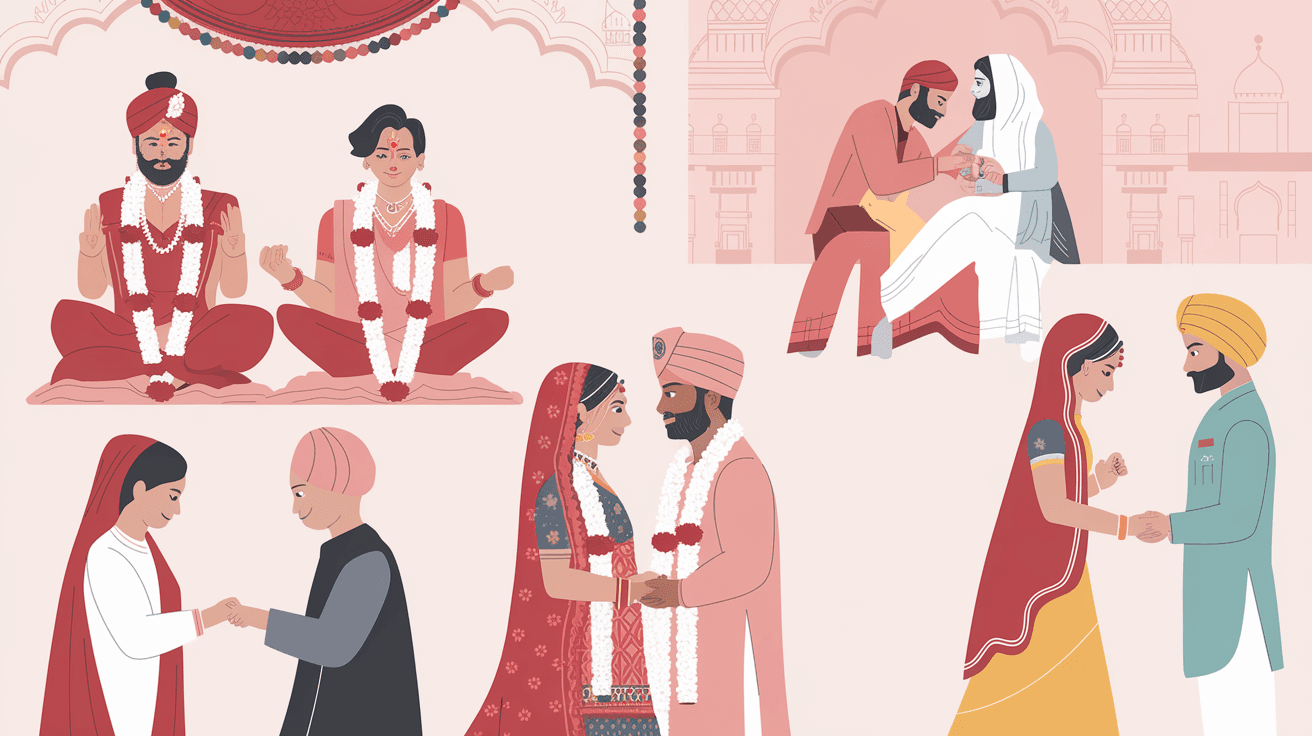
Marriage in India is a rich tapestry woven with diverse customs, traditions, and legal frameworks. If you’ve ever wondered how many types of marriages exist in India, you’re not alone. The country’s vast cultural landscape means marriage is not just a union between two people but a celebration of heritage, religion, and law. Whether you are planning your wedding or simply curious, understanding these types can help you appreciate the depth of Indian matrimonial practices.
In this article, I’ll walk you through the main types of marriages in India, covering traditional ceremonies, legal classifications, and modern variations. We’ll explore how different communities celebrate marriage and what the law says about these unions. By the end, you’ll have a clear picture of the many ways people tie the knot across India.
India’s cultural diversity means marriage customs vary widely from region to region. These traditional marriages often reflect the religious and social values of the community.
Each of these marriages is celebrated with unique customs, attire, and ceremonies that reflect the community’s identity.
India’s legal system recognizes several types of marriages under different laws. These laws ensure the rights and duties of spouses are protected.
These laws provide a framework for marriage registration, divorce, maintenance, and inheritance rights.
Beyond religion and law, Indian marriages vary greatly based on region, caste, and community traditions.
These variations show how marriage in India is not just a legal contract but a social institution influenced by many factors.
India’s marriage landscape is evolving with changing social attitudes and legal reforms.
These trends reflect India’s dynamic society balancing tradition and modernity.
Understanding how many types of marriages exist in India means appreciating the country’s cultural richness and legal complexity. From traditional religious ceremonies to civil marriages under the Special Marriage Act, India offers a wide range of matrimonial forms. Social customs like arranged marriages and emerging trends like live-in relationships add further layers to this diversity.
Whether you are part of a community with age-old traditions or exploring modern marriage options, knowing these types helps you navigate the Indian marriage landscape better. Marriage in India is more than a legal bond; it’s a celebration of identity, culture, and evolving social values.
India legally recognizes marriages under the Hindu Marriage Act, Muslim Personal Law, Christian Marriage Act, Parsi Marriage Act, and the Special Marriage Act, covering religious and civil marriages.
The Special Marriage Act allows couples from different religions or castes to marry without religious ceremonies. It requires a 30-day notice and registration, providing a civil marriage option.
Live-in relationships are not legally recognized as marriages but are increasingly accepted socially. Courts sometimes protect rights of partners in live-in relationships under certain conditions.
Yes, interfaith marriages can happen legally under the Special Marriage Act, which allows couples to marry without converting or following religious rituals.
Polygamy is allowed only for Muslims under their personal law. Other communities, governed by the Hindu Marriage Act and others, must follow monogamy.