

How Many Types of Laws Are There in India
F
Discover verified facts, data, and insights about India’s states, culture, economy, education, and more — all in one place at FactBharat.
Search for a command to run...
Discover verified facts, data, and insights about India’s states, culture, economy, education, and more — all in one place at FactBharat.
No comments yet. Be the first to comment.
Moving to the USA from India is a dream for many. Whether you want to study, work, or live with family, the process can seem complex. But with the right information, you can plan your move confidently. I’ll guide you through the key steps and options...
Opening a college in India is a dream for many educators and entrepreneurs who want to contribute to the country’s education sector. If you are one of those who want to start a college, you need to understand the process clearly. It involves several ...
Opening a hospital in India is a significant and rewarding venture. If you’ve ever wondered how to start one, you’re in the right place. Whether you’re a healthcare professional, entrepreneur, or investor, understanding the process is crucial. You’ll...
Opening a medical store in India can be a rewarding business opportunity. You get to serve your community by providing essential medicines and healthcare products. If you are thinking about starting a medical store, you might wonder where to begin an...
Opening a restaurant in India can be an exciting and rewarding venture. Whether you dream of serving traditional Indian dishes or international cuisine, the process involves careful planning and understanding of local regulations. If you’re ready to ...
FactBharat | Insights About India
2558 posts
Discover verified facts, data, and insights about India’s states, culture, economy, education, and more — all in one place at FactBharat.
Understanding the legal system in India can feel overwhelming at first. You might wonder, how many types of laws are there in India? The truth is, India has a diverse and complex legal framework that covers various aspects of life. Knowing the types of laws helps you understand your rights and responsibilities better.
In this article, I will walk you through the main categories of laws in India. We will explore constitutional laws, criminal laws, civil laws, and other important types. By the end, you’ll have a clear picture of how the Indian legal system works and why these laws matter to you.
Laws are rules made by the government to maintain order and protect citizens. In India, laws are created to manage everything from crime to business, family matters, and property rights. Without laws, society would be chaotic.
India’s legal system is unique because it blends ancient traditions with modern laws. It follows a written constitution, which is the supreme law of the land. All other laws must align with the Constitution. This system ensures fairness and justice for everyone.
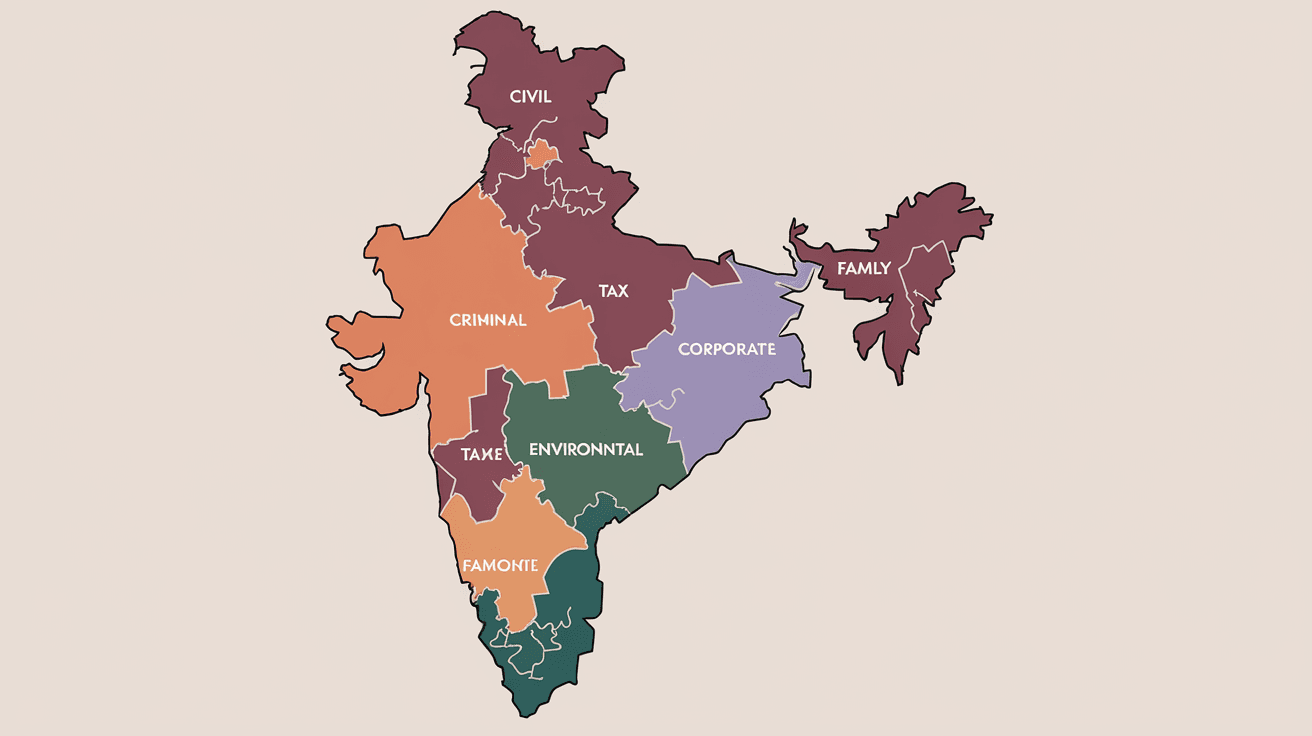
India’s laws can be broadly divided into several types. Each type serves a specific purpose and applies to different situations. Here are the main categories:
Let’s explore each type in detail.
Constitutional law is the foundation of all laws in India. It deals with the interpretation and implementation of the Indian Constitution. This law defines the structure of government, the powers of different branches, and the fundamental rights of citizens.
The Constitution of India is the longest written constitution in the world. It guarantees rights like freedom of speech, equality, and protection against discrimination. Constitutional law ensures that no law or government action violates these rights.
Criminal law deals with offenses against the state or society. It defines what actions are crimes and prescribes punishments for those crimes. The main goal is to maintain public order and safety.
In India, the Indian Penal Code (IPC) is the primary criminal law. It covers crimes like theft, murder, assault, and fraud. The Code of Criminal Procedure (CrPC) guides how criminal cases are investigated and tried.
Civil law governs disputes between individuals or organizations. It covers non-criminal matters like contracts, property, family issues, and torts (civil wrongs). The goal is to resolve conflicts and provide compensation or remedies.
Civil cases are usually about money, property, or rights. For example, if someone breaches a contract or damages your property, civil law helps you seek justice.
Personal law in India refers to laws that apply to individuals based on their religion or community. India recognizes different personal laws for Hindus, Muslims, Christians, and others. These laws mainly cover marriage, divorce, inheritance, and adoption.
This system respects India’s cultural diversity but can be complex. For example, Hindu Personal Law is governed by the Hindu Marriage Act and Hindu Succession Act, while Muslim Personal Law follows Sharia principles.
Administrative law deals with the rules and regulations that government agencies follow. It ensures that government actions are legal, fair, and reasonable. This type of law helps citizens challenge unfair decisions by public authorities.
For example, if a government department denies you a license without proper reason, administrative law allows you to appeal or seek judicial review.
Labour law governs the relationship between employers and employees. It protects workers’ rights, regulates working conditions, and resolves disputes. India has many labour laws covering wages, working hours, safety, and social security.
Some important labour laws include the Industrial Disputes Act, Minimum Wages Act, and Employees’ Provident Fund Act.
Environmental law focuses on protecting natural resources and public health. It regulates pollution, conservation, and sustainable development. India has laws to control air and water pollution, manage forests, and protect wildlife.
The Environment Protection Act and the Wildlife Protection Act are key laws in this area.
Commercial law, also known as business law, governs trade, commerce, and business transactions. It includes laws related to contracts, company formation, bankruptcy, and intellectual property.
The Companies Act and the Goods and Services Tax (GST) laws are examples of commercial laws in India.
India’s legal system is interconnected. For example, a business dispute might involve commercial law and civil law. A criminal act could also violate constitutional rights. Courts interpret and apply these laws to ensure justice.
The Supreme Court and High Courts play a vital role in interpreting laws and resolving conflicts. They ensure that laws evolve with society’s needs.
Understanding the types of laws in India helps you protect your rights and fulfill your duties. Whether you’re dealing with a contract, facing a legal dispute, or curious about your rights, knowing which law applies is crucial.
You can also better navigate government procedures, workplace issues, or family matters. If you ever need legal help, knowing the basics of these laws will make communication with lawyers easier.
India’s legal system is rich and diverse, reflecting its complex society. There are many types of laws, each serving a unique purpose. From constitutional laws that protect your fundamental rights to criminal laws that maintain order, every law plays a role in shaping your life.
By understanding these laws, you become more aware of your rights and responsibilities. This knowledge empowers you to make informed decisions and seek justice when needed. Remember, the law is there to serve you, and knowing it is the first step to protecting yourself.
India has several types of laws, including constitutional, criminal, civil, personal, administrative, labour, environmental, and commercial laws. Each type addresses different aspects of society and governance.
Criminal law deals with offenses against society and prescribes punishments. Civil law handles disputes between individuals or organizations, focusing on compensation or remedies rather than punishment.
Personal law governs matters like marriage, divorce, and inheritance based on religion or community. Different communities in India follow their own personal laws, such as Hindu, Muslim, or Christian laws.
Constitutional law is the supreme law that defines government structure, powers, and citizens’ fundamental rights. It ensures all other laws comply with the Constitution and protects citizens from unlawful actions.
Yes, administrative law provides mechanisms to challenge unfair or illegal decisions made by government agencies. It promotes transparency, fairness, and accountability in public administration.