

How Many Types of Languages in India
F
Discover verified facts, data, and insights about India’s states, culture, economy, education, and more — all in one place at FactBharat.
Search for a command to run...
Discover verified facts, data, and insights about India’s states, culture, economy, education, and more — all in one place at FactBharat.
No comments yet. Be the first to comment.
Moving to the USA from India is a dream for many. Whether you want to study, work, or live with family, the process can seem complex. But with the right information, you can plan your move confidently. I’ll guide you through the key steps and options...
Opening a college in India is a dream for many educators and entrepreneurs who want to contribute to the country’s education sector. If you are one of those who want to start a college, you need to understand the process clearly. It involves several ...
Opening a hospital in India is a significant and rewarding venture. If you’ve ever wondered how to start one, you’re in the right place. Whether you’re a healthcare professional, entrepreneur, or investor, understanding the process is crucial. You’ll...
Opening a medical store in India can be a rewarding business opportunity. You get to serve your community by providing essential medicines and healthcare products. If you are thinking about starting a medical store, you might wonder where to begin an...
Opening a restaurant in India can be an exciting and rewarding venture. Whether you dream of serving traditional Indian dishes or international cuisine, the process involves careful planning and understanding of local regulations. If you’re ready to ...
FactBharat | Insights About India
2558 posts
Discover verified facts, data, and insights about India’s states, culture, economy, education, and more — all in one place at FactBharat.
India is one of the most linguistically diverse countries in the world. When you think about India, you might picture a country with many cultures, traditions, and yes, languages. But have you ever wondered how many types of languages are actually spoken in India? Understanding this can help you appreciate the rich cultural fabric of the country.
In this article, I will take you through the different types of languages in India. We will explore official languages, regional languages, tribal dialects, and how they are classified. By the end, you’ll see just how vast and varied India’s linguistic landscape really is.
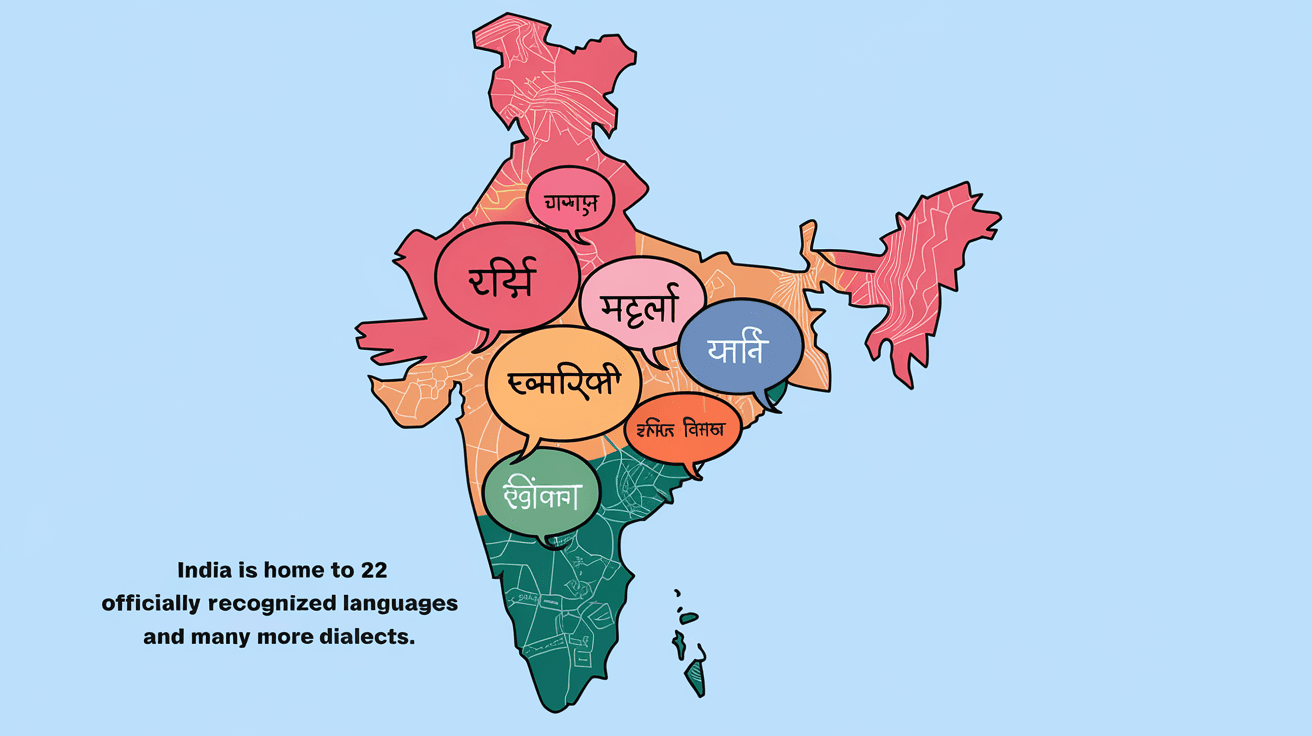
India is home to a staggering number of languages. According to the latest census and linguistic surveys, there are over 450 languages spoken across the country. These languages belong to several language families, each with its own unique history and characteristics.
The main language families in India include:
This diversity means that India is not just multilingual but also multicultural, with languages reflecting different ethnic groups and regions.
India has two official languages at the national level: Hindi and English. Hindi, written in the Devanagari script, is the most widely spoken language and serves as a lingua franca in many parts of the country. English is used extensively in government, business, and education.
Apart from these, the Indian Constitution recognizes 22 scheduled languages. These are languages given official status and protection by the government. They include:
These scheduled languages represent the major linguistic groups across India and are used in official communication in their respective states.
Each state in India has the freedom to choose its own official language(s) based on the linguistic demographics of the region. For example:
Some states have more than one official language. For instance, Jammu and Kashmir recognizes Urdu, Kashmiri, Dogri, and Hindi. This regional language policy helps preserve local languages and promotes cultural identity.
India’s tribal population speaks a vast array of indigenous languages and dialects. These languages often belong to smaller language families like Austroasiatic and Tibeto-Burman. Many tribal languages are endangered due to limited speakers and lack of formal recognition.
Examples include:
The government and various organizations are working to document and preserve these languages, as they hold valuable cultural knowledge.
Linguists classify Indian languages into several broad categories based on their origin and structure:
| Language Family | Percentage of Speakers | Regions Spoken | Examples |
| Indo-Aryan | ~78% | North, West, Central India | Hindi, Bengali, Marathi |
| Dravidian | ~19% | South India | Tamil, Telugu, Kannada |
| Austroasiatic | ~1.5% | Central, Eastern India | Santali, Mundari |
| Tibeto-Burman | ~1.5% | Northeast India | Manipuri, Bodo |
| Andamanese | Very small | Andaman and Nicobar Islands | Various tribal languages |
This classification helps us understand the linguistic roots and relationships between different languages.
While India has hundreds of languages, the number of languages actively spoken daily is smaller. The 2011 Census of India reported about 121 languages spoken by more than 10,000 people. However, the top 22 scheduled languages cover the majority of the population.
Many Indians are bilingual or multilingual, often speaking their mother tongue at home and another language like Hindi or English for education and work. This multilingual ability is a unique feature of Indian society.
English plays a special role in India. It is often called an associate official language and is widely used in:
English acts as a bridge language between people from different linguistic backgrounds. It also connects India to the global community.
India’s linguistic diversity is a source of pride but also presents challenges:
Efforts like the National Translation Mission and language technology development aim to address these challenges.
India’s linguistic landscape is incredibly rich and varied. With over 450 languages and numerous dialects, the country is a true mosaic of tongues. From the official languages like Hindi and English to the many regional and tribal languages, each language tells a story of India’s diverse heritage.
Understanding how many types of languages are spoken in India helps you appreciate the cultural depth and complexity of this nation. Whether you are a traveler, student, or language enthusiast, India offers a fascinating journey through its many voices.
India officially recognizes 22 scheduled languages in its Constitution, along with Hindi and English as national official languages.
Hindi is the most spoken language in India, used by about 40% of the population as their first language.
Yes, many tribal and indigenous languages in India are endangered due to declining numbers of speakers.
The Indo-Aryan language family has the most speakers, covering about 78% of the population.
Most Indian states have their own official language(s) based on the local population’s linguistic preferences.