

How Many Types of Government in India
F
Discover verified facts, data, and insights about India’s states, culture, economy, education, and more — all in one place at FactBharat.
Search for a command to run...
Discover verified facts, data, and insights about India’s states, culture, economy, education, and more — all in one place at FactBharat.
No comments yet. Be the first to comment.
Moving to the USA from India is a dream for many. Whether you want to study, work, or live with family, the process can seem complex. But with the right information, you can plan your move confidently. I’ll guide you through the key steps and options...
Opening a college in India is a dream for many educators and entrepreneurs who want to contribute to the country’s education sector. If you are one of those who want to start a college, you need to understand the process clearly. It involves several ...
Opening a hospital in India is a significant and rewarding venture. If you’ve ever wondered how to start one, you’re in the right place. Whether you’re a healthcare professional, entrepreneur, or investor, understanding the process is crucial. You’ll...
Opening a medical store in India can be a rewarding business opportunity. You get to serve your community by providing essential medicines and healthcare products. If you are thinking about starting a medical store, you might wonder where to begin an...
Opening a restaurant in India can be an exciting and rewarding venture. Whether you dream of serving traditional Indian dishes or international cuisine, the process involves careful planning and understanding of local regulations. If you’re ready to ...
FactBharat | Insights About India
2558 posts
Discover verified facts, data, and insights about India’s states, culture, economy, education, and more — all in one place at FactBharat.
India is a vast and diverse country with a unique system of governance. If you’ve ever wondered how many types of government exist in India, you’re not alone. Understanding the structure of India’s government helps you appreciate how the country functions and how power is shared across different levels.
In this article, I’ll walk you through the main types of government in India. We’ll explore the central government, state governments, and local governments. You’ll also learn about the forms of government India follows, such as democracy and federalism. Let’s dive in and make sense of India’s complex political system.
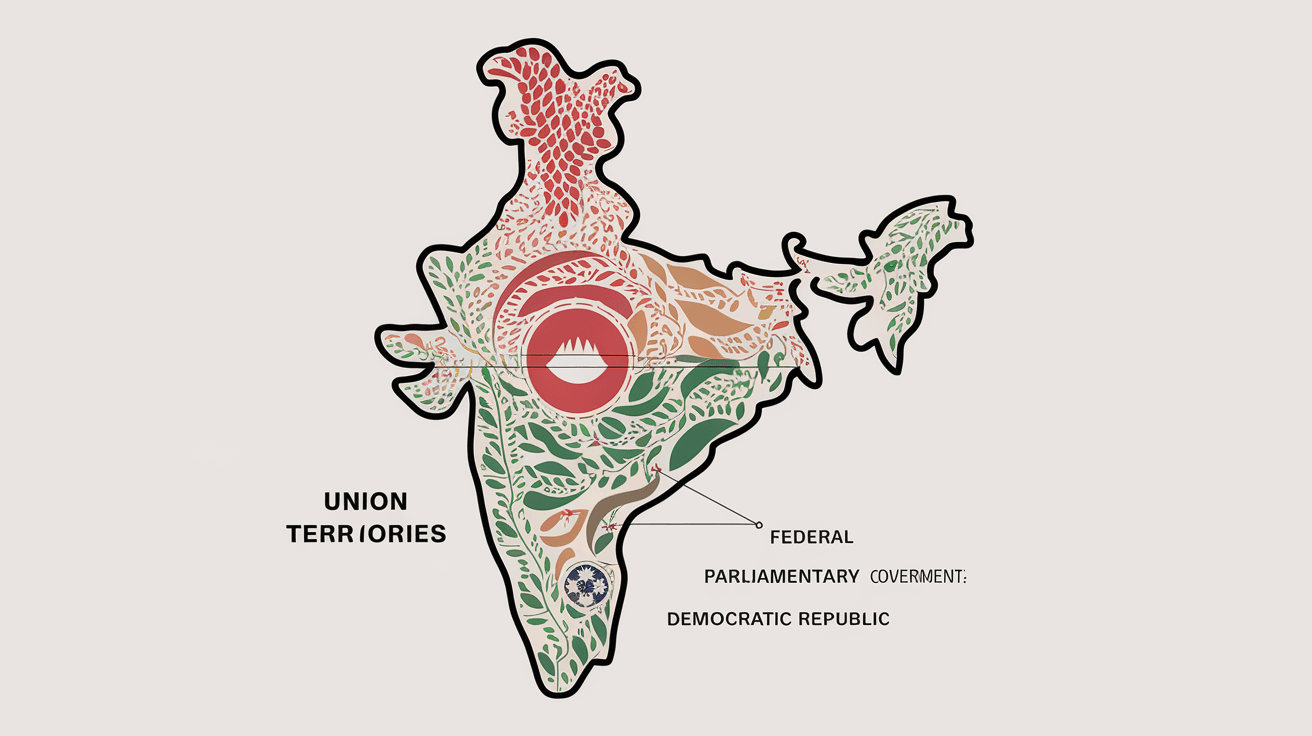
India’s government is a democratic republic, which means the people elect their leaders. The Constitution of India lays down the framework for how the government operates. It divides power among different levels to ensure smooth governance.
There are mainly three levels of government in India:
Each level has its own responsibilities and powers. This system is designed to balance authority and bring governance closer to the people.
The central government is the highest level of government in India. It handles national issues like defense, foreign affairs, and economic policies. The central government is based in New Delhi and is made up of three branches:
The Parliament makes laws that apply to the entire country. The Prime Minister leads the government and implements policies. The President acts as the ceremonial head of state.
India has 28 states and 8 union territories, each with its own government. State governments manage local issues like education, health, and law enforcement within their territories.
Each state government has:
State governments have the power to make laws on subjects listed in the State List of the Constitution. They also work closely with the central government on shared subjects.
Local governments are the grassroots level of governance in India. They bring democracy to villages, towns, and cities. Local bodies are responsible for basic services like water supply, sanitation, and street lighting.
There are two main types of local governments:
These local governments are elected by the people and work under the guidance of state governments.
India follows a democratic system, but it also has specific forms of government that define how power is distributed and exercised.
India is the world’s largest parliamentary democracy. This means the government is elected by the people through their representatives in Parliament.
Key features of India’s parliamentary democracy include:
This system ensures that the executive is accountable to the legislature and, ultimately, to the people.
India has a federal system, meaning power is divided between the central government and state governments. However, it is often called "quasi-federal" because the central government has more power in certain situations.
Important aspects of India’s federalism:
This federal structure helps manage India’s diversity and regional differences.
India is a republic, which means the head of state is elected, not a hereditary monarch. The President of India is elected by an electoral college and serves as the symbolic leader of the country.
Being a republic ensures that power rests with the people and their elected representatives, not with a royal family.
While India is currently a democratic republic with a federal system, it has seen different forms of governance in its history.
Today, India’s government is firmly democratic, but understanding these past forms helps you appreciate the evolution of its political system.
India’s Constitution clearly defines how power is shared among the central, state, and local governments. This division helps avoid conflicts and ensures efficient governance.
The central government has exclusive powers over subjects like:
State governments control areas such as:
Both central and state governments can legislate on:
If there is a conflict, central laws usually prevail.
Local governments are crucial for democracy in India. They bring decision-making closer to the people and help address local needs effectively.
The Panchayati Raj system is a three-tier structure in rural areas:
These bodies are elected and have powers to plan and implement development programs.
In cities and towns, local governance is handled by:
They manage urban infrastructure, sanitation, and public services.
India’s government system is complex and faces several challenges:
However, reforms and increased decentralization are helping improve governance. Digital initiatives and citizen participation are making governments more transparent and accountable.
India has multiple types of government working together to manage its vast and diverse population. The central government handles national issues, state governments manage regional affairs, and local governments focus on grassroots development. India’s parliamentary democracy and federal system ensure power is shared and balanced.
Understanding these types of government helps you see how India functions as a democratic republic. It also shows the importance of cooperation among different levels of government to serve the people effectively. Whether you’re a student, citizen, or curious reader, knowing about India’s government types gives you a clearer picture of its political landscape.
India mainly has three types of government: central (union) government, state governments, and local governments (panchayats and municipalities).
The central government manages national issues like defense, foreign affairs, and economic policies. It also makes laws that apply across the country.
It is a three-tier system of rural local governance in India, including village, block, and district levels, responsible for local development and administration.
India divides powers between the central and state governments through lists of subjects. Both levels have autonomy but cooperate on shared matters.
India is both a parliamentary democracy and a republic. It elects its leaders, and the President is an elected head of state, not a monarch.