

How Many Types of Emergency Are There in India?
F
Discover verified facts, data, and insights about India’s states, culture, economy, education, and more — all in one place at FactBharat.
Search for a command to run...
Discover verified facts, data, and insights about India’s states, culture, economy, education, and more — all in one place at FactBharat.
No comments yet. Be the first to comment.
Moving to the USA from India is a dream for many. Whether you want to study, work, or live with family, the process can seem complex. But with the right information, you can plan your move confidently. I’ll guide you through the key steps and options...
Opening a college in India is a dream for many educators and entrepreneurs who want to contribute to the country’s education sector. If you are one of those who want to start a college, you need to understand the process clearly. It involves several ...
Opening a hospital in India is a significant and rewarding venture. If you’ve ever wondered how to start one, you’re in the right place. Whether you’re a healthcare professional, entrepreneur, or investor, understanding the process is crucial. You’ll...
Opening a medical store in India can be a rewarding business opportunity. You get to serve your community by providing essential medicines and healthcare products. If you are thinking about starting a medical store, you might wonder where to begin an...
Opening a restaurant in India can be an exciting and rewarding venture. Whether you dream of serving traditional Indian dishes or international cuisine, the process involves careful planning and understanding of local regulations. If you’re ready to ...
FactBharat | Insights About India
2558 posts
Discover verified facts, data, and insights about India’s states, culture, economy, education, and more — all in one place at FactBharat.
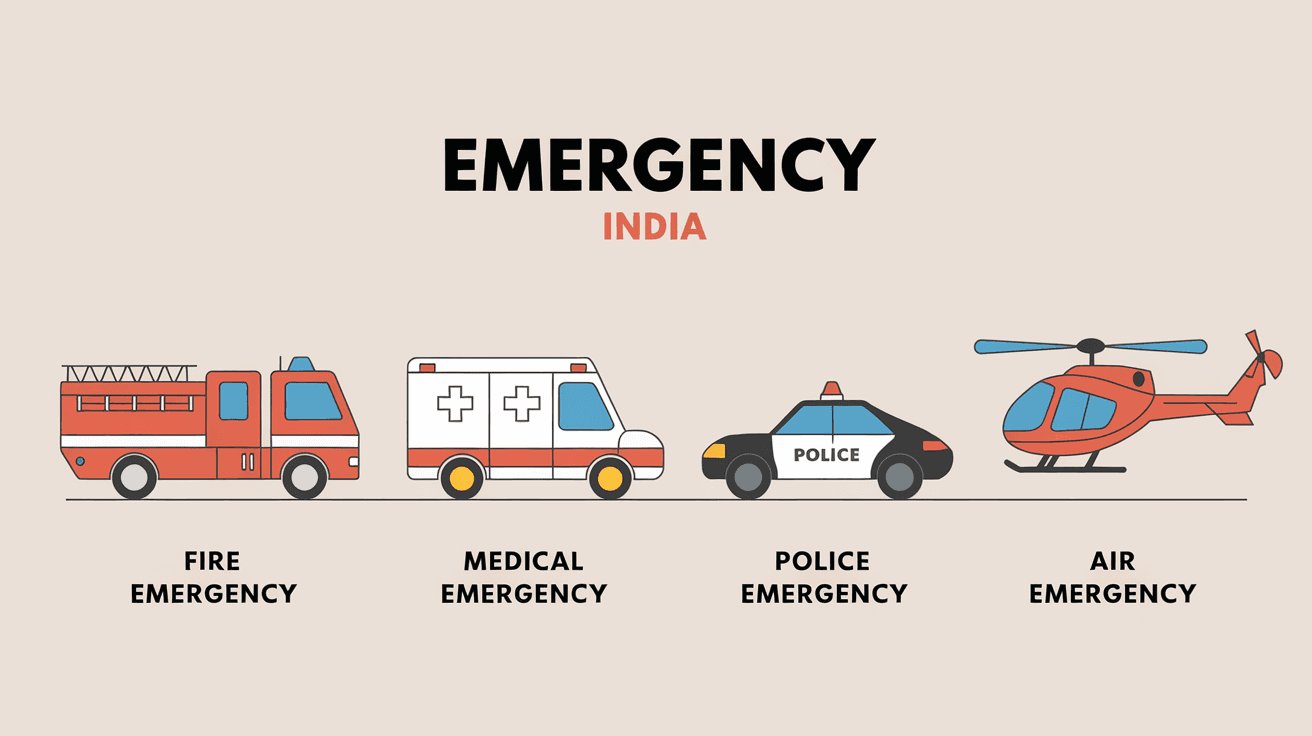
Emergencies can disrupt life in many ways, and India, with its vast population and diverse geography, faces various types of emergencies. You might wonder how many types of emergencies exist in India and what they mean for the country. Understanding these emergencies helps you grasp how the government responds and protects its citizens during crises.
In this article, I will walk you through the main types of emergencies in India. We’ll look at constitutional emergencies, natural disasters, health emergencies, and more. By the end, you’ll have a clear picture of how India manages different emergencies and what each type involves.
India recognizes several types of emergencies, broadly categorized into constitutional emergencies and other emergencies like natural disasters and health crises. The Constitution of India specifically mentions three types of constitutional emergencies:
Apart from these, India frequently faces natural emergencies such as floods, earthquakes, and cyclones. Health emergencies, like pandemics, also demand urgent attention.
Let’s explore each type in detail.
Constitutional emergencies are special situations where the normal functioning of the government is disrupted. These emergencies allow the central government to take extraordinary measures to restore order and stability.
A National Emergency is declared when the security of India is threatened by war, external aggression, or armed rebellion. This is the most serious type of emergency.
For example, India declared a National Emergency during the Indo-Pak war in 1971 and again controversially in 1975 due to internal disturbances.
This emergency is declared when a state government fails to function according to constitutional provisions.
President’s Rule has been imposed several times in various states due to political instability or failure of constitutional machinery.
A Financial Emergency is declared if the financial stability or credit of India or any part of its territory is threatened.
This type of emergency has never been declared in India but remains a constitutional provision.
India’s geography makes it prone to several natural disasters. These emergencies require quick response and management to save lives and property.
Floods are the most common natural disaster in India, especially during the monsoon season.
The government uses early warning systems and disaster management teams to mitigate flood impact.
India lies in a seismically active zone, especially in the Himalayan region and parts of the northeast.
Major earthquakes in India include the 2001 Gujarat earthquake and the 2015 Nepal earthquake affecting northern India.
Coastal states like Odisha, Andhra Pradesh, and Tamil Nadu face frequent cyclones.
The 1999 Odisha cyclone and recent cyclones like Amphan have caused significant damage.
Droughts affect large parts of India, especially in central and western regions.
Drought management includes rainwater harvesting and drought-resistant crops.
Health emergencies have gained prominence, especially after the COVID-19 pandemic.
India faces outbreaks of diseases like dengue, malaria, and now COVID-19.
The COVID-19 pandemic highlighted the need for robust health emergency preparedness.
Contamination of food and water can cause health crises.
Besides natural and constitutional emergencies, India also faces man-made emergencies.
Terrorist attacks and insurgencies pose serious threats.
Industrial disasters like gas leaks or chemical spills can cause emergencies.
India has a structured approach to managing emergencies through various agencies and laws.
Technology like satellite imaging, early warning systems, and mobile alerts play a key role.
India faces multiple types of emergencies, ranging from constitutional crises to natural disasters and health emergencies. Each type requires a specific response to protect citizens and maintain order. Understanding these emergencies helps you appreciate the complexity of governance and disaster management in India.
Whether it’s a National Emergency declared under the Constitution or a cyclone warning issued by the meteorological department, India’s systems aim to respond swiftly and effectively. Staying informed and prepared can help you navigate these emergencies safely.
India has three constitutional emergencies: National Emergency, State Emergency (President’s Rule), and Financial Emergency.
A National Emergency is declared during war, external aggression, or armed rebellion, giving the central government special powers.
Floods, earthquakes, cyclones, and droughts are the most common natural disasters in India.
No, India has never declared a Financial Emergency, though it is a constitutional provision.
India uses laws like the Epidemic Diseases Act, health infrastructure, vaccination drives, and public awareness to manage health emergencies.