

How Many Types of Doctors Are There in India
F
Discover verified facts, data, and insights about India’s states, culture, economy, education, and more — all in one place at FactBharat.
Search for a command to run...
Discover verified facts, data, and insights about India’s states, culture, economy, education, and more — all in one place at FactBharat.
No comments yet. Be the first to comment.
Moving to the USA from India is a dream for many. Whether you want to study, work, or live with family, the process can seem complex. But with the right information, you can plan your move confidently. I’ll guide you through the key steps and options...
Opening a college in India is a dream for many educators and entrepreneurs who want to contribute to the country’s education sector. If you are one of those who want to start a college, you need to understand the process clearly. It involves several ...
Opening a hospital in India is a significant and rewarding venture. If you’ve ever wondered how to start one, you’re in the right place. Whether you’re a healthcare professional, entrepreneur, or investor, understanding the process is crucial. You’ll...
Opening a medical store in India can be a rewarding business opportunity. You get to serve your community by providing essential medicines and healthcare products. If you are thinking about starting a medical store, you might wonder where to begin an...
Opening a restaurant in India can be an exciting and rewarding venture. Whether you dream of serving traditional Indian dishes or international cuisine, the process involves careful planning and understanding of local regulations. If you’re ready to ...
FactBharat | Insights About India
2558 posts
Discover verified facts, data, and insights about India’s states, culture, economy, education, and more — all in one place at FactBharat.
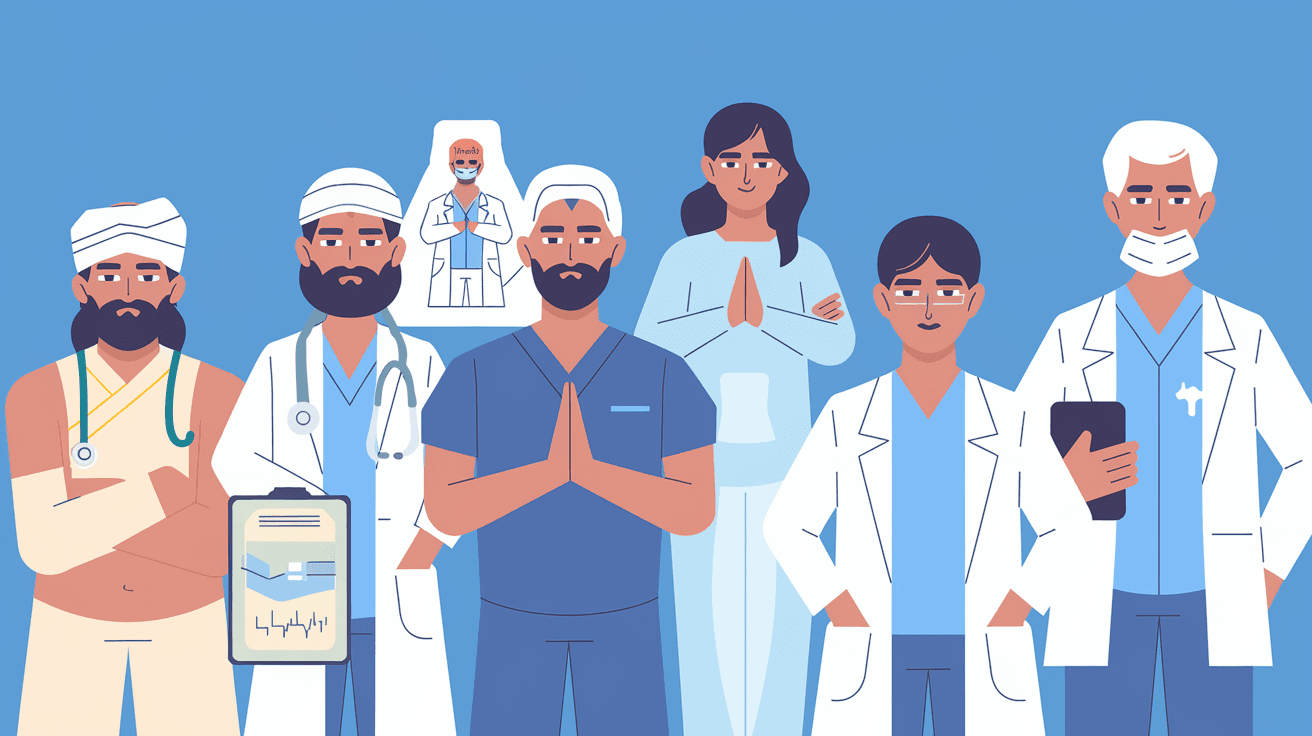
When you think about doctors in India, you might picture a general physician or a surgeon. But did you know there are many types of doctors, each specializing in different areas of health? Understanding these types helps you know who to approach for specific health issues. Whether you need a heart specialist or a skin doctor, knowing the right type can make a big difference in your care.
In this article, I will walk you through the main types of doctors in India. We’ll explore their roles, specializations, and how they contribute to the healthcare system. By the end, you’ll have a clear picture of the diverse medical professionals working to keep you healthy.
India has a vast and complex healthcare system with doctors trained in many fields. Broadly, doctors are divided into two categories: general practitioners and specialists. General practitioners handle common illnesses and preventive care. Specialists focus on specific organs, diseases, or patient groups.
Here are some key points about medical specializations in India:
This structure ensures doctors are well-trained to meet diverse health needs.
General physicians are the first point of contact for most patients. They diagnose and treat common illnesses like infections, fever, and minor injuries. They also provide preventive care and health advice.
Surgeons perform operations to treat injuries, diseases, or deformities. Surgery can be general or specialized.
Pediatricians specialize in the health of infants, children, and adolescents.
These doctors focus on women’s reproductive health, pregnancy, and childbirth.
Cardiologists specialize in heart and blood vessel diseases.
Dermatologists treat skin, hair, and nail disorders.
Neurologists deal with disorders of the nervous system, including the brain and spinal cord.
Orthopedic surgeons focus on bones, joints, muscles, and ligaments.
Psychiatrists specialize in mental health disorders.
ENT doctors treat ear, nose, and throat problems.
Ophthalmologists specialize in eye care.
Anesthesiologists manage pain and anesthesia during surgeries.
Radiologists use imaging techniques to diagnose diseases.
Pathologists study body tissues and fluids to diagnose diseases.
India’s medical field is growing with many super-specialties. These doctors have advanced training beyond basic specialties.
Examples include:
Emerging fields like telemedicine and robotic surgery are also expanding doctor roles.
India is known for its traditional medicine systems alongside modern medicine.
Many patients use these alongside allopathic doctors for comprehensive care.
Knowing the types of doctors helps you find the right care. Here are tips to choose:
India has a rich variety of doctors, each trained to handle different health needs. From general physicians to super-specialists, these professionals work together to provide comprehensive care. Knowing the types of doctors helps you get the right treatment faster and improves your health outcomes.
Whether you need a routine check-up or complex surgery, understanding doctor specializations empowers you to make informed choices. The healthcare system in India continues to evolve, offering more options and better care for everyone.
There are over 40 recognized medical specialties and super-specialties in India, including general physicians, surgeons, pediatricians, cardiologists, and many more.
A general physician treats common illnesses and provides preventive care, while a specialist focuses on specific organs or diseases after additional training.
Yes, Ayurvedic and Homeopathic doctors are licensed practitioners regulated by their respective councils and provide alternative medicine alongside allopathic doctors.
You can find specialists through hospital websites, medical directories, or by consulting a general physician for a referral.
Doctors must complete an MBBS degree and register with the National Medical Commission. Specialists pursue postgraduate degrees like MD, MS, or DM in their fields.