

How Many Types of Cows in India
F
Discover verified facts, data, and insights about India’s states, culture, economy, education, and more — all in one place at FactBharat.
Search for a command to run...
Discover verified facts, data, and insights about India’s states, culture, economy, education, and more — all in one place at FactBharat.
No comments yet. Be the first to comment.
Moving to the USA from India is a dream for many. Whether you want to study, work, or live with family, the process can seem complex. But with the right information, you can plan your move confidently. I’ll guide you through the key steps and options...
Opening a college in India is a dream for many educators and entrepreneurs who want to contribute to the country’s education sector. If you are one of those who want to start a college, you need to understand the process clearly. It involves several ...
Opening a hospital in India is a significant and rewarding venture. If you’ve ever wondered how to start one, you’re in the right place. Whether you’re a healthcare professional, entrepreneur, or investor, understanding the process is crucial. You’ll...
Opening a medical store in India can be a rewarding business opportunity. You get to serve your community by providing essential medicines and healthcare products. If you are thinking about starting a medical store, you might wonder where to begin an...
Opening a restaurant in India can be an exciting and rewarding venture. Whether you dream of serving traditional Indian dishes or international cuisine, the process involves careful planning and understanding of local regulations. If you’re ready to ...
FactBharat | Insights About India
2558 posts
Discover verified facts, data, and insights about India’s states, culture, economy, education, and more — all in one place at FactBharat.
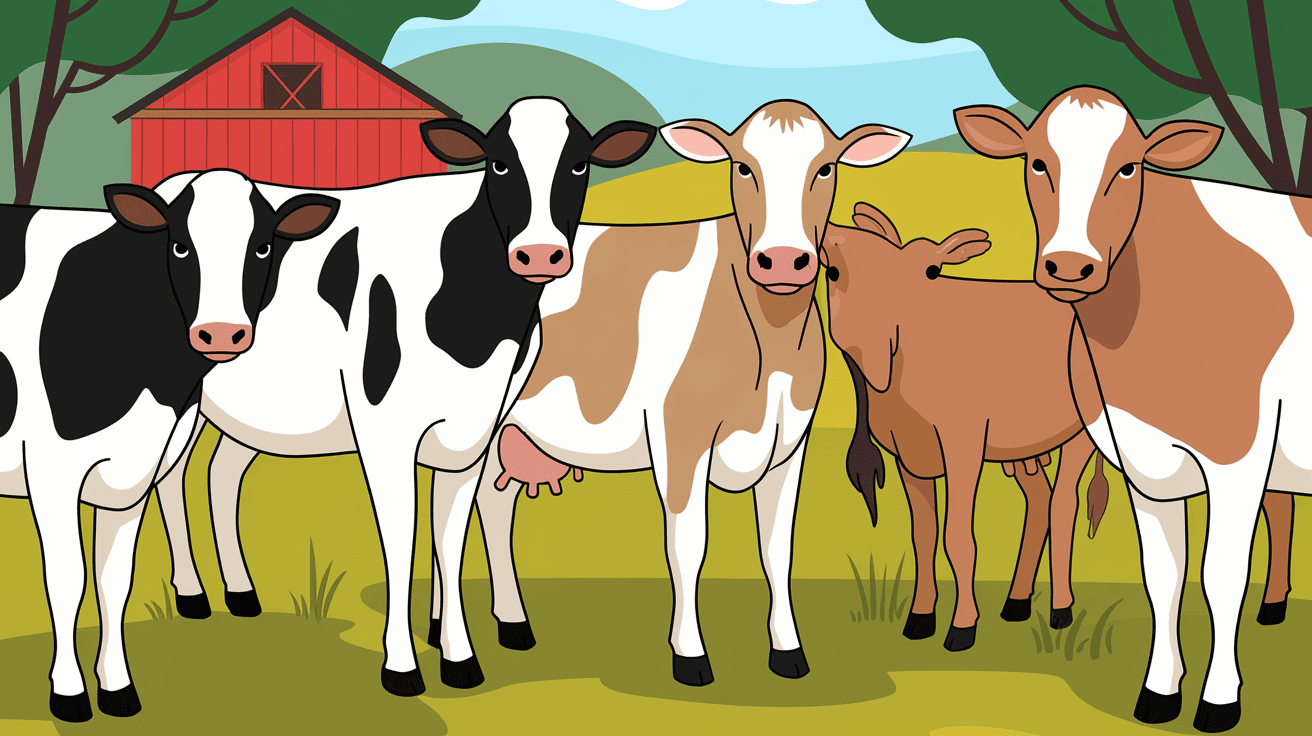
India is known for its rich agricultural heritage, and cows play a vital role in this tradition. If you’ve ever wondered how many types of cows there are in India, you’re not alone. The country is home to a vast variety of cow breeds, each with unique traits suited to different climates and purposes. Whether you’re a farmer, a student, or just curious, understanding these types can give you a deeper appreciation of India’s bovine diversity.
In this article, I’ll walk you through the main types of cows found in India, their characteristics, and why they matter. We’ll explore native breeds, their uses, and how they contribute to India’s economy and culture. By the end, you’ll have a clear picture of the many types of cows in India and their significance.
India has one of the largest populations of cattle in the world. The country’s cow breeds are broadly classified into two categories: indigenous (native) breeds and exotic (foreign) breeds. Indigenous breeds are well adapted to local conditions and have been part of Indian farming for centuries. Exotic breeds were introduced later to improve milk production.
Indigenous breeds are known for their hardiness, disease resistance, and ability to survive in harsh environments. They are mainly used for milk, draught work, and sometimes for meat in certain regions.
Exotic breeds were introduced to increase milk production. They generally require better care and are less resistant to local diseases.
Cows in India are also classified based on their primary use: dairy, draught, or dual-purpose.
These breeds are mainly raised for milk production. They have higher milk yields and are preferred by dairy farmers.
These cows are strong and used for agricultural work like plowing and transportation.
These breeds serve both milk production and draught work.
India’s diverse climate and geography have led to the development of different breeds suited to specific regions.
| Region | Common Breeds |
| Gujarat | Gir, Kankrej |
| Punjab & Haryana | Sahiwal, Hariana |
| Rajasthan | Tharparkar, Kankrej |
| Karnataka | Hallikar, Amrit Mahal |
| Andhra Pradesh | Ongole |
| Tamil Nadu | Vechur, Kangayam |
Each breed has adapted to the local environment, making them valuable for farmers in those areas.
Let’s look at some popular breeds and what makes them special.
Indigenous breeds are crucial for sustainable farming in India. They require less feed and water compared to exotic breeds and are more resistant to local diseases. Their milk is often richer in nutrients and A2 beta-casein protein, which some studies suggest is easier to digest.
Despite their importance, indigenous breeds face several challenges:
India has recognized the importance of preserving its native cow breeds. Several government and non-government organizations work on conservation through:
The future of Indian cow breeds depends on balancing productivity with conservation. Encouraging sustainable farming practices and protecting native breeds will help maintain India’s rich bovine heritage.
If you want to identify cow breeds, here are some tips:
| Breed | Origin | Milk Yield (liters/day) | Primary Use | Notable Traits |
| Gir | Gujarat | 15-20 | Dairy | High milk yield, hardy |
| Sahiwal | Punjab, Haryana | 10-15 | Dairy | Heat tolerant, good temperament |
| Red Sindhi | Sindh region | 8-12 | Dairy | Hardy, tropical adaptation |
| Kankrej | Gujarat, Rajasthan | 8-10 | Draught/Dairy | Strong, drought resistant |
| Tharparkar | Rajasthan | 8-10 | Dual-purpose | Milk and draught |
| Ongole | Andhra Pradesh | 6-8 | Draught | Muscular, strong |
| Hallikar | Karnataka | 5-7 | Draught | Endurance, strength |
| Jersey | Imported | 15-18 | Dairy | Rich milk, smaller size |
India’s cow population is incredibly diverse, with dozens of breeds adapted to different regions and purposes. From the high-yielding Gir and Sahiwal to the strong draught breeds like Kankrej and Ongole, each type plays a unique role in Indian agriculture and culture. Understanding these breeds helps us appreciate the importance of conserving indigenous cows while balancing modern farming needs.
If you’re interested in farming or just want to learn more about India’s cows, knowing the types and their characteristics is a great start. Supporting native breeds not only preserves tradition but also promotes sustainable agriculture for the future.
India has over 30 recognized indigenous cow breeds, along with several exotic breeds introduced for dairy improvement.
Gir and Sahiwal are among the most popular indigenous dairy breeds due to their high milk yield and adaptability.
Yes, Indian cows are generally more heat-tolerant and disease-resistant but may produce less milk than exotic breeds.
They are well adapted to local climates, require less maintenance, and their milk often contains beneficial nutrients like A2 protein.
Gir cows have a distinctive rounded forehead, long curved horns, and a reddish coat with white patches.