

How Many Types of Budget in India
F
Discover verified facts, data, and insights about India’s states, culture, economy, education, and more — all in one place at FactBharat.
Search for a command to run...
Discover verified facts, data, and insights about India’s states, culture, economy, education, and more — all in one place at FactBharat.
No comments yet. Be the first to comment.
Moving to the USA from India is a dream for many. Whether you want to study, work, or live with family, the process can seem complex. But with the right information, you can plan your move confidently. I’ll guide you through the key steps and options...
Opening a college in India is a dream for many educators and entrepreneurs who want to contribute to the country’s education sector. If you are one of those who want to start a college, you need to understand the process clearly. It involves several ...
Opening a hospital in India is a significant and rewarding venture. If you’ve ever wondered how to start one, you’re in the right place. Whether you’re a healthcare professional, entrepreneur, or investor, understanding the process is crucial. You’ll...
Opening a medical store in India can be a rewarding business opportunity. You get to serve your community by providing essential medicines and healthcare products. If you are thinking about starting a medical store, you might wonder where to begin an...
Opening a restaurant in India can be an exciting and rewarding venture. Whether you dream of serving traditional Indian dishes or international cuisine, the process involves careful planning and understanding of local regulations. If you’re ready to ...
FactBharat | Insights About India
2558 posts
Discover verified facts, data, and insights about India’s states, culture, economy, education, and more — all in one place at FactBharat.
Understanding the different types of budgets in India is essential if you want to grasp how the government plans its finances. Whether you are a student, a professional, or just curious, knowing about these budgets helps you see how public money is managed. In India, budgets are not just about numbers; they reflect the country's priorities and policies.
In this article, I will walk you through the main types of budgets used in India. You will learn what each budget means, why it matters, and how it affects the economy and citizens. By the end, you will have a clear picture of India's budgeting system and its role in governance.
A budget is a financial plan that shows expected income and expenditure for a specific period, usually one year. In India, the government prepares budgets to manage public funds efficiently. These budgets help allocate resources to different sectors like health, education, defense, and infrastructure.
The Indian budget is presented annually by the Finance Minister in Parliament. It outlines how much money the government plans to collect through taxes and other sources and how it intends to spend that money. This process ensures transparency and accountability in managing public finances.
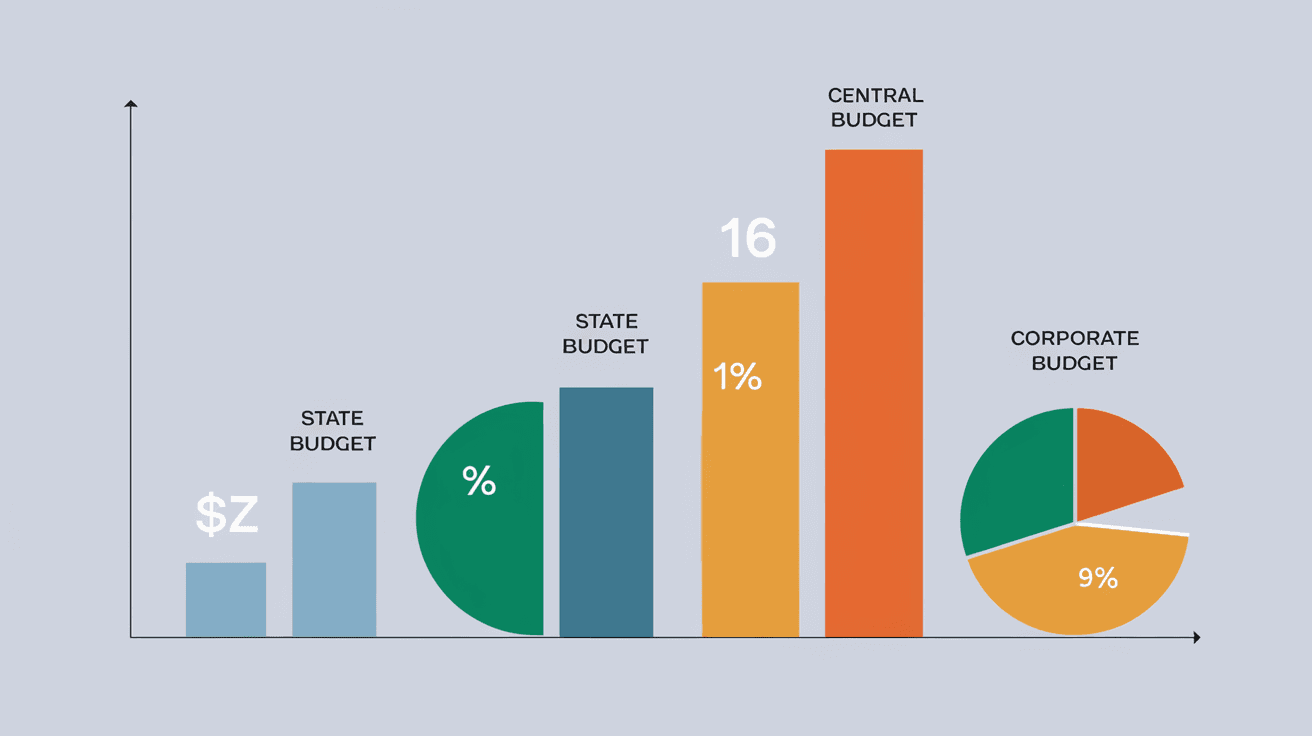
India uses several types of budgets to cover different financial needs and goals. Each type serves a unique purpose and helps the government plan better. Here are the main types of budgets in India:
The Revenue Budget deals with the government's revenue and expenditure that do not affect its assets or liabilities. It includes:
This budget shows whether the government is earning more than it is spending or vice versa. A surplus in the revenue budget means the government has extra money, while a deficit means it is spending more than it earns.
The Capital Budget focuses on the government's capital receipts and capital expenditure. It involves:
This budget is about long-term investments and borrowing. It shows how the government plans to build assets or repay debts.
The Union Budget is the annual financial statement of the central government. It includes both revenue and capital budgets combined. The Union Budget covers:
This budget affects the entire country and is crucial for economic planning and development.
Each Indian state prepares its own budget similar to the Union Budget. The State Budget includes:
State budgets focus on local needs and priorities, such as agriculture, state roads, and education.
Zero-Based Budgeting is a method where every expense must be justified from scratch for each new budget cycle. Unlike traditional budgeting, it does not assume previous budgets as a base.
Performance Budgeting links the funds allocated to the results or outcomes expected. It focuses on:
This type of budgeting is gaining importance in India to ensure better public service delivery.
A Balanced Budget means the government's total revenue equals its total expenditure. It is an ideal situation where the government neither borrows nor saves.
A Deficit Budget occurs when the government's expenditure exceeds its revenue. It is common in India during times of economic slowdown or increased spending needs.
A Surplus Budget happens when the government's revenue is more than its expenditure. It indicates a healthy financial position.
Each type of budget plays a vital role in shaping India's economy. Here’s how:
For example, during economic slowdowns, India often runs a deficit budget to boost spending and revive growth. On the other hand, a surplus budget can help reduce debt and build reserves.
Understanding the types of budgets is easier when you know how the budget is made. The budget process in India involves several steps:
This process ensures that budgets are well-planned, transparent, and accountable.
India’s budgeting system is evolving with new trends:
These trends aim to make budgeting more effective and responsive to citizens' needs.
Now you know that India uses many types of budgets, each serving a specific purpose. From the Revenue and Capital Budgets to the Union and State Budgets, these financial plans help the government manage money wisely. Methods like Zero-Based and Performance Budgeting are improving how funds are allocated and spent.
Budgets in India are more than just numbers; they reflect the country’s goals and challenges. Whether it’s balancing expenses, investing in growth, or ensuring accountability, the budgeting system plays a key role in India’s development. Understanding these types helps you appreciate how public finances shape the nation’s future.
India mainly uses Revenue Budget, Capital Budget, Union Budget, State Budget, Zero-Based Budgeting, Performance Budgeting, Balanced Budget, Deficit Budget, and Surplus Budget.
Revenue Budget covers day-to-day income and expenses, while Capital Budget deals with long-term investments and borrowing.
The Finance Minister of India presents the Union Budget annually in Parliament.
Zero-Based Budgeting requires justifying every expense from scratch, promoting efficient resource use.
India runs a Deficit Budget to stimulate economic growth during slowdowns or when increased spending is needed.