

How Many Types of Brahmins in India
F
Discover verified facts, data, and insights about India’s states, culture, economy, education, and more — all in one place at FactBharat.
Search for a command to run...
Discover verified facts, data, and insights about India’s states, culture, economy, education, and more — all in one place at FactBharat.
No comments yet. Be the first to comment.
Moving to the USA from India is a dream for many. Whether you want to study, work, or live with family, the process can seem complex. But with the right information, you can plan your move confidently. I’ll guide you through the key steps and options...
Opening a college in India is a dream for many educators and entrepreneurs who want to contribute to the country’s education sector. If you are one of those who want to start a college, you need to understand the process clearly. It involves several ...
Opening a hospital in India is a significant and rewarding venture. If you’ve ever wondered how to start one, you’re in the right place. Whether you’re a healthcare professional, entrepreneur, or investor, understanding the process is crucial. You’ll...
Opening a medical store in India can be a rewarding business opportunity. You get to serve your community by providing essential medicines and healthcare products. If you are thinking about starting a medical store, you might wonder where to begin an...
Opening a restaurant in India can be an exciting and rewarding venture. Whether you dream of serving traditional Indian dishes or international cuisine, the process involves careful planning and understanding of local regulations. If you’re ready to ...
FactBharat | Insights About India
2558 posts
Discover verified facts, data, and insights about India’s states, culture, economy, education, and more — all in one place at FactBharat.
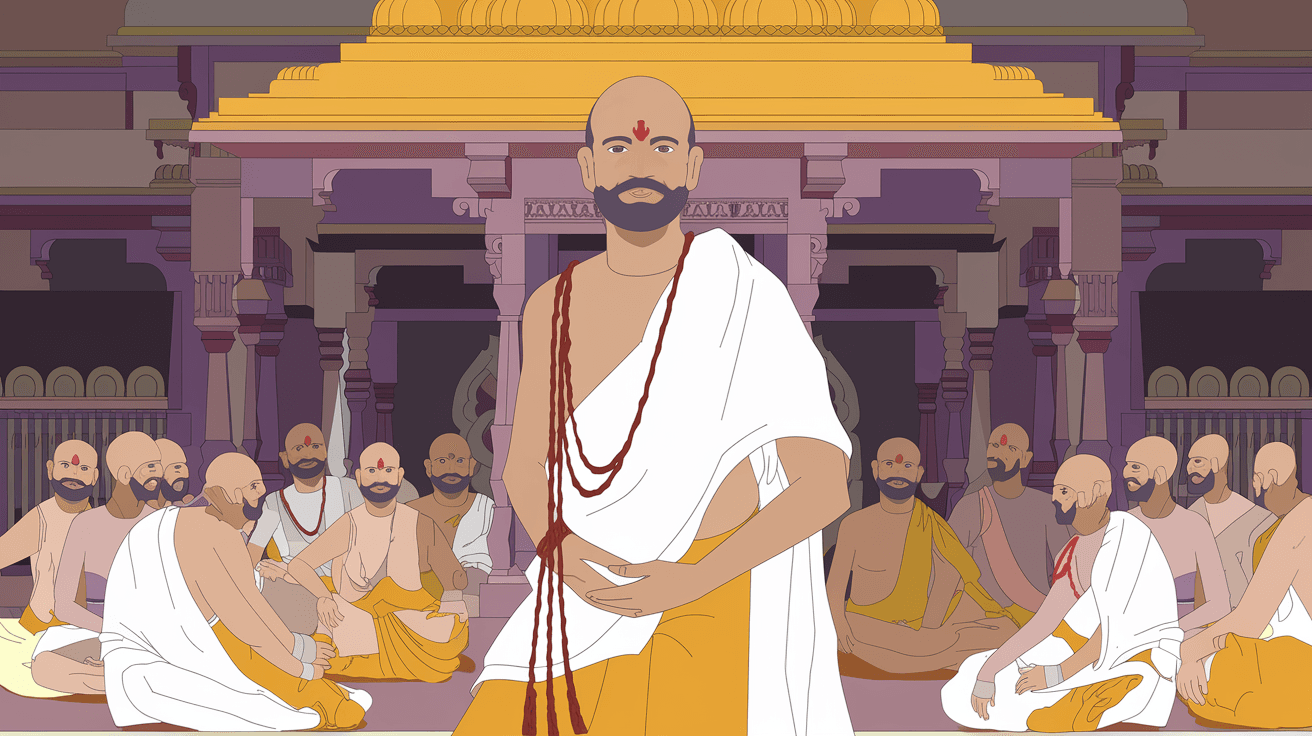
India is home to a rich tapestry of cultures, and among its many communities, Brahmins hold a unique place. You might wonder, how many types of Brahmins are there in India? The answer is quite fascinating because Brahmins are not a single group but a collection of many sub-groups spread across the country. Each group has its own traditions, languages, and rituals.
In this article, I will take you through the major types of Brahmins found in India. We will explore their regional differences, cultural practices, and historical backgrounds. By the end, you will have a clear understanding of the diversity within the Brahmin community and why it matters in Indian society.
Before diving into the types, it’s important to understand who Brahmins are. Traditionally, Brahmins are the priestly class in the Hindu social order. They are known for their role in religious rituals, teaching, and preserving sacred knowledge. Over centuries, Brahmins have spread all over India, adapting to local cultures and languages.
This background helps explain why Brahmins are not a uniform group but have many sub-castes based on region, language, and occupation.
India’s Brahmin community is broadly divided based on geography and language. The main categories include North Indian Brahmins, South Indian Brahmins, and some smaller groups in the East and West. Let’s look at these in detail.
North India has several Brahmin groups, each with distinct customs and dialects. Some of the prominent ones include:
These groups differ in rituals, dress, and even dietary habits, reflecting the diversity within North Indian Brahmins.
South India has a rich Brahmin tradition with groups mainly divided by language and Vedic schools. The major South Indian Brahmin types are:
South Indian Brahmins are often identified by their language, philosophical leanings, and temple traditions.
While North and South India have the largest Brahmin populations, the East and West also have notable groups:
These groups add to the rich mosaic of Brahmin identities across India.
Several factors contribute to the variety of Brahmin types in India:
Understanding these factors helps explain why Brahmins are not a single homogeneous group but a collection of many sub-castes.
The diversity among Brahmins is not just about social classification. It reflects India’s broader cultural richness. Each Brahmin group has contributed uniquely to literature, music, philosophy, and temple traditions.
This diversity enriches Indian culture and shows how a single community can have many vibrant expressions.
In modern India, Brahmin communities face new challenges and changes:
Despite these challenges, Brahmins continue to play an important role in India’s cultural and religious life.
| Region | Major Brahmin Groups | Language(s) | Notable Features |
| North India | Kashmiri Pandits, Gaur, Saraswat, Maithil, Bhumihar | Kashmiri, Hindi, Maithili | Diverse rituals, Vedic traditions |
| South India | Iyers, Iyengars, Madhwas, Namboodiris, Gowda Saraswaths | Tamil, Kannada, Malayalam, Konkani | Philosophical schools, temple priests |
| East India | Bengali Brahmins, Oriya Brahmins | Bengali, Odia | Unique temple rituals, language-based customs |
| West India | Gujarati Brahmins, Marathi Brahmins | Gujarati, Marathi | Business roles, distinct festivals |
You now know that the question "How many types of Brahmins are there in India?" does not have a simple answer. Brahmins are a diverse group with many sub-castes spread across the country. Their differences come from language, region, philosophy, and history.
This diversity makes the Brahmin community a fascinating part of India’s cultural fabric. Whether in the temples of Kerala or the plains of Bihar, Brahmins have shaped religious and social life in unique ways. Understanding these groups helps us appreciate the complexity and richness of Indian society.
There are dozens of Brahmin sub-castes across India, broadly categorized by region and language. Major groups include North Indian Brahmins like Kashmiri Pandits and South Indian Brahmins like Iyers and Iyengars.
Iyers follow the Advaita philosophy of Adi Shankaracharya, while Iyengars follow the Vishishtadvaita philosophy of Ramanujacharya. Both are Tamil Brahmins but have different religious practices and rituals.
Traditionally, Brahmins were priests and scholars, but today many work in diverse fields like education, administration, and business. Their roles have expanded beyond religious duties.
Yes, Brahmin groups often speak the regional language of their area, such as Tamil, Kannada, Bengali, or Marathi, reflecting their local culture and traditions.
The diversity arises from historical migrations, regional adaptations, different philosophical schools, and varied occupational roles, leading to many distinct Brahmin communities across India.