

How Many Types of Biryani in India
F
Discover verified facts, data, and insights about India’s states, culture, economy, education, and more — all in one place at FactBharat.
Search for a command to run...
Discover verified facts, data, and insights about India’s states, culture, economy, education, and more — all in one place at FactBharat.
No comments yet. Be the first to comment.
Moving to the USA from India is a dream for many. Whether you want to study, work, or live with family, the process can seem complex. But with the right information, you can plan your move confidently. I’ll guide you through the key steps and options...
Opening a college in India is a dream for many educators and entrepreneurs who want to contribute to the country’s education sector. If you are one of those who want to start a college, you need to understand the process clearly. It involves several ...
Opening a hospital in India is a significant and rewarding venture. If you’ve ever wondered how to start one, you’re in the right place. Whether you’re a healthcare professional, entrepreneur, or investor, understanding the process is crucial. You’ll...
Opening a medical store in India can be a rewarding business opportunity. You get to serve your community by providing essential medicines and healthcare products. If you are thinking about starting a medical store, you might wonder where to begin an...
Opening a restaurant in India can be an exciting and rewarding venture. Whether you dream of serving traditional Indian dishes or international cuisine, the process involves careful planning and understanding of local regulations. If you’re ready to ...
FactBharat | Insights About India
2558 posts
Discover verified facts, data, and insights about India’s states, culture, economy, education, and more — all in one place at FactBharat.
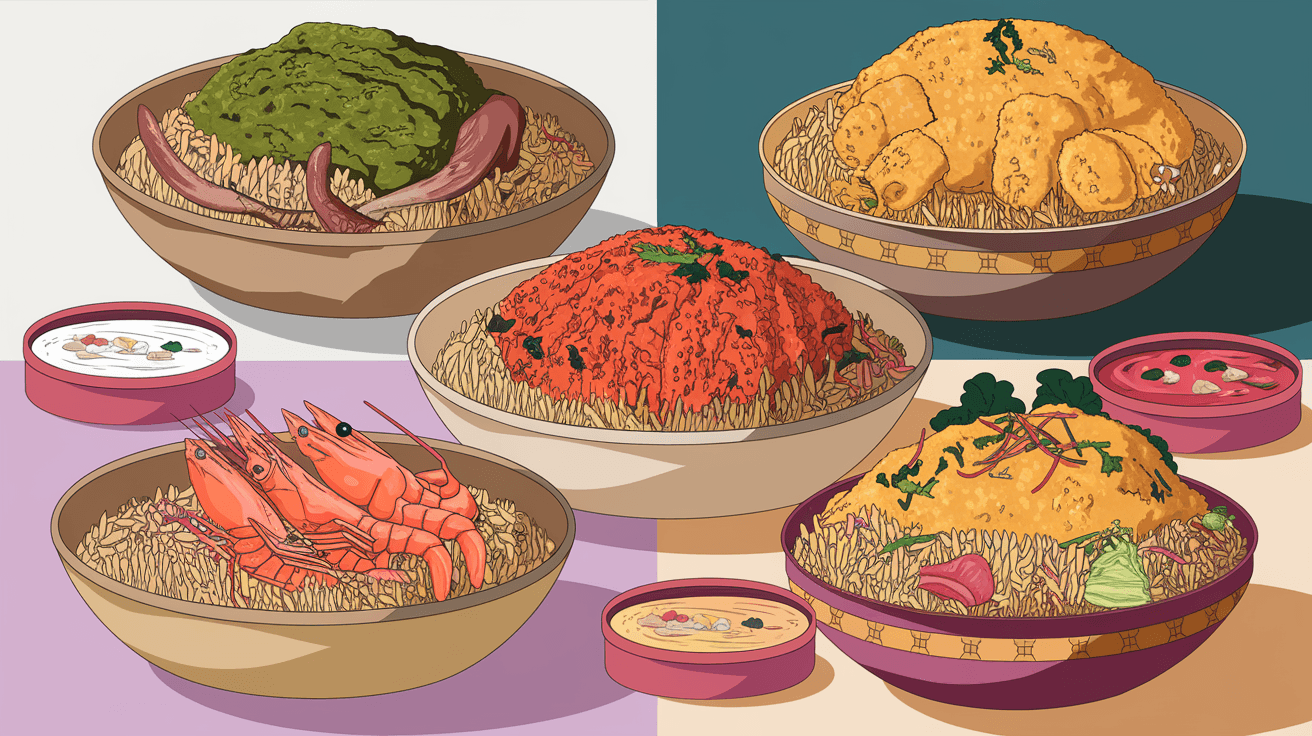
Biryani is more than just a dish in India; it’s a celebration of flavors, culture, and history. If you love biryani or want to explore its rich variety, you’re in the right place. India offers a stunning range of biryani types, each with its own unique taste and cooking style. From the aromatic kitchens of Hyderabad to the coastal flavors of Kerala, biryani reflects the diversity of Indian cuisine.
In this article, I’ll take you on a flavorful journey across India’s biryani landscape. You’ll learn about the most popular types, their origins, and what makes each one special. Whether you’re a biryani lover or a curious foodie, this guide will help you appreciate the many faces of this beloved dish.
Biryani is a mixed rice dish made with fragrant basmati rice, spices, and usually meat like chicken, mutton, or fish. It often includes yogurt, fried onions, and fresh herbs. The cooking method involves layering partially cooked rice with marinated meat and slow-cooking it to blend the flavors.
Understanding biryani’s basics helps you appreciate why so many types exist across India.
India’s biryani varieties are as diverse as its culture. Each region adds its own twist, influenced by local ingredients and traditions. Here are some of the most famous types you should know:
Hyderabadi biryani is arguably the most famous biryani in India. It comes in two main styles: Kacchi (raw) biryani and Pakki (cooked) biryani.
This biryani is known for its strong flavors, use of saffron, and the unique blend of spices like cardamom, cloves, and cinnamon. It often includes fried onions and boiled eggs.
Originating from Uttar Pradesh, Lucknowi biryani is milder and more aromatic than Hyderabadi biryani.
Kolkata biryani is famous for its lighter taste and the use of potatoes.
From Kerala’s Malabar region, this biryani is distinct for its use of short-grain rice called Khyma or Jeerakasala.
Bombay biryani is a popular street food in Mumbai, known for its tangy and spicy flavor.
Ambur biryani comes from Tamil Nadu and is known for its spicy and tangy flavor.
Also from Tamil Nadu, Dindigul biryani is famous for its use of small-grain seeraga samba rice and a spicy, tangy flavor.
India’s biryani varieties don’t stop at the famous ones. Many regions have their own versions, often influenced by local tastes and ingredients.
Several factors influence the taste and style of biryani:
With so many types, picking the right biryani can be fun but tricky. Here are some tips:
Trying different types will help you discover your favorite style.
Here’s a quick list of common ingredients you’ll find in most Indian biryanis:
The cooking method is key to biryani’s texture and flavor.
India’s biryani is a treasure trove of flavors and traditions. From the royal kitchens of Hyderabad to the coastal homes of Kerala, each type tells a story of culture and culinary art. You now know about the major biryani varieties, their unique ingredients, and cooking styles.
Next time you enjoy biryani, you can appreciate the rich history and regional diversity behind every bite. Whether you prefer spicy, mild, tangy, or aromatic, India’s biryani offers something for every palate. So, go ahead and explore these delicious types—you might find your new favorite!
India has dozens of biryani types, but the most popular ones include Hyderabadi, Lucknowi, Kolkata, Malabar, Bombay, Ambur, and Dindigul biryanis. Each region adds its own unique twist.
Hyderabadi biryani is spicier and uses raw marinated meat cooked with rice, while Lucknowi biryani is milder, cooked separately, and flavored with rose and kewra water.
Basmati rice is the most popular for biryani due to its long grains and aroma. Some regions use local varieties like seeraga samba or Khyma rice for distinct textures.
Yes, vegetarian biryani uses vegetables, paneer, or soy instead of meat, with the same spices and cooking techniques to maintain flavor.
Dum pukht is a slow cooking technique where the pot is sealed and cooked on low heat, allowing steam to cook the ingredients evenly and blend flavors beautifully.