

How Many Tribes Are There in India
F
Discover verified facts, data, and insights about India’s states, culture, economy, education, and more — all in one place at FactBharat.
Search for a command to run...
Discover verified facts, data, and insights about India’s states, culture, economy, education, and more — all in one place at FactBharat.
No comments yet. Be the first to comment.
Moving to the USA from India is a dream for many. Whether you want to study, work, or live with family, the process can seem complex. But with the right information, you can plan your move confidently. I’ll guide you through the key steps and options...
Opening a college in India is a dream for many educators and entrepreneurs who want to contribute to the country’s education sector. If you are one of those who want to start a college, you need to understand the process clearly. It involves several ...
Opening a hospital in India is a significant and rewarding venture. If you’ve ever wondered how to start one, you’re in the right place. Whether you’re a healthcare professional, entrepreneur, or investor, understanding the process is crucial. You’ll...
Opening a medical store in India can be a rewarding business opportunity. You get to serve your community by providing essential medicines and healthcare products. If you are thinking about starting a medical store, you might wonder where to begin an...
Opening a restaurant in India can be an exciting and rewarding venture. Whether you dream of serving traditional Indian dishes or international cuisine, the process involves careful planning and understanding of local regulations. If you’re ready to ...
FactBharat | Insights About India
2558 posts
Discover verified facts, data, and insights about India’s states, culture, economy, education, and more — all in one place at FactBharat.
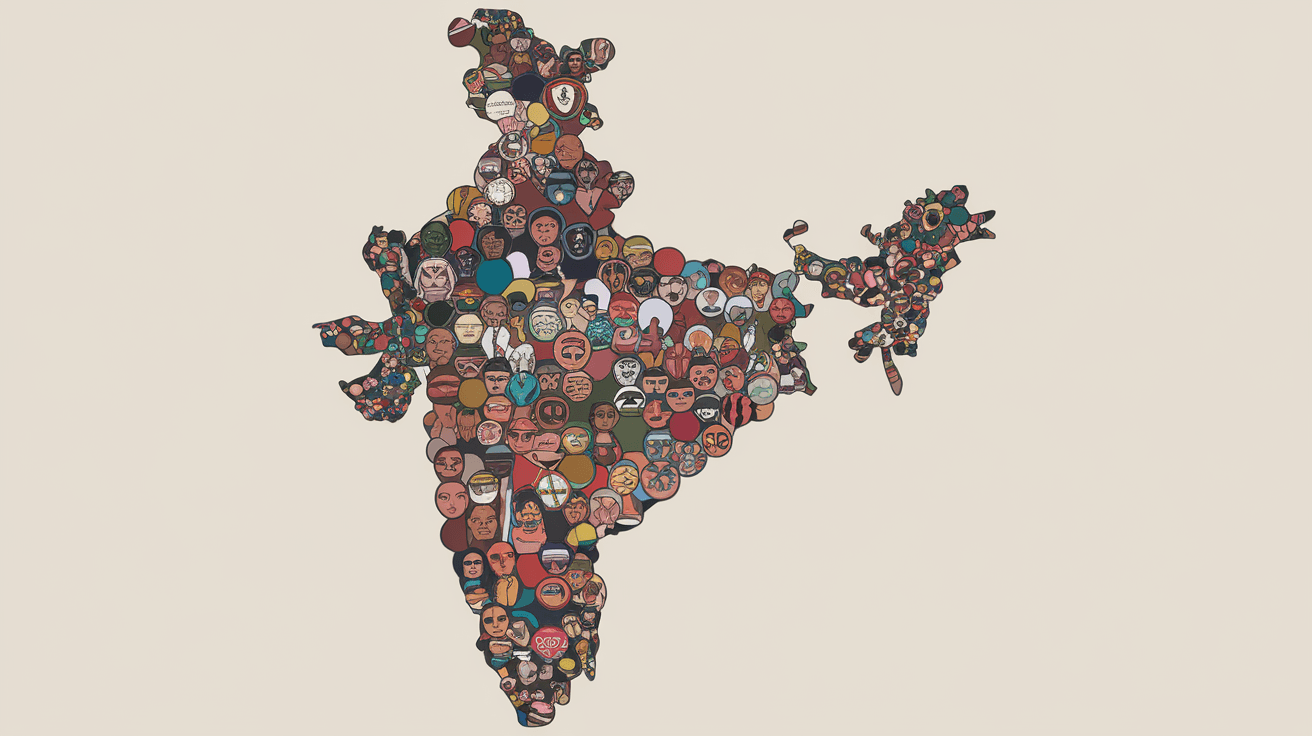
India is home to a rich tapestry of cultures, and its tribal communities form an essential part of this diversity. If you’ve ever wondered how many tribes are there in India, you’re not alone. Understanding the number and variety of tribes helps us appreciate the country’s cultural wealth and the unique traditions that thrive within these communities.
In this article, I’ll take you through the current count of tribes in India, their classifications, and what makes each group special. You’ll also learn about the government’s role in recognizing and protecting these tribes, along with some examples of prominent tribal groups across the country.
India officially recognizes 705 Scheduled Tribes across the country. These tribes are spread over various states and union territories, each with its own distinct language, customs, and social structures. The number 705 comes from the latest government records, which include tribes listed in the Constitution of India under the Scheduled Tribes category.
Scheduled Tribes (STs) are communities identified by the Indian Constitution as socially and economically disadvantaged. The government provides them with special protections and benefits to promote their welfare and preserve their cultural heritage.
The 705 tribes are broadly classified based on geography, culture, and social practices. Here’s how they are generally grouped:
Among the Scheduled Tribes, the government identifies some as Particularly Vulnerable Tribal Groups. These tribes are the most isolated and face severe challenges in health, education, and livelihood.
The remaining tribes are diverse in their customs and lifestyles. They may be agriculturalists, hunters, or artisans, and many have integrated partially with mainstream society while preserving their identity.
Tribal populations are unevenly distributed across India. Some states have a higher concentration of tribes due to their geography and history.
| State/Region | Number of Recognized Tribes | Notable Tribes |
| Madhya Pradesh | 46 | Gond, Baiga |
| Odisha | 62 | Kondh, Santal |
| Jharkhand | 32 | Munda, Ho |
| Maharashtra | 47 | Bhil, Warli |
| Northeast India | Over 200 | Naga, Mizo, Khasi |
| Andaman & Nicobar | 9 | Jarawa, Onge |
Understanding how many tribes there are in India is more than just a number game. It helps us:
The Indian government has several programs to support tribal communities. These initiatives aim to improve education, healthcare, and economic opportunities while respecting tribal identities.
These efforts help tribes maintain their cultural heritage while improving their living standards.
Let’s look at some well-known tribes to understand the diversity better.
Despite their rich heritage, many tribes face significant challenges:
Addressing these issues requires sustained efforts from the government, NGOs, and society.
If you want to help preserve tribal cultures and support their development, here are some ways:
Your involvement can make a real difference in sustaining these communities.
So, how many tribes are there in India? The answer is around 705 Scheduled Tribes, each with its own unique identity and culture. From the dense forests of central India to the hills of the Northeast, these tribes enrich the country’s cultural fabric.
Understanding their numbers and diversity helps us appreciate their contributions and the challenges they face. With ongoing government support and increased awareness, we can work together to protect and celebrate India’s tribal heritage for generations to come.
India officially recognizes 705 Scheduled Tribes across various states and union territories.
PVTGs are a subset of Scheduled Tribes identified as the most isolated and vulnerable, with 75 such groups recognized in India.
Northeast India has the highest concentration of tribes, with over 200 distinct tribal groups.
Key schemes include Scheduled Tribes reservation, Tribal Sub-Plan, Forest Rights Act, and PVTG development programs.
Preserving tribal cultures maintains India’s diversity, protects endangered traditions, and supports the rights and welfare of tribal communities.