

How Many Traffic Signs Are There in India
F
Discover verified facts, data, and insights about India’s states, culture, economy, education, and more — all in one place at FactBharat.
Search for a command to run...
Discover verified facts, data, and insights about India’s states, culture, economy, education, and more — all in one place at FactBharat.
No comments yet. Be the first to comment.
Moving to the USA from India is a dream for many. Whether you want to study, work, or live with family, the process can seem complex. But with the right information, you can plan your move confidently. I’ll guide you through the key steps and options...
Opening a college in India is a dream for many educators and entrepreneurs who want to contribute to the country’s education sector. If you are one of those who want to start a college, you need to understand the process clearly. It involves several ...
Opening a hospital in India is a significant and rewarding venture. If you’ve ever wondered how to start one, you’re in the right place. Whether you’re a healthcare professional, entrepreneur, or investor, understanding the process is crucial. You’ll...
Opening a medical store in India can be a rewarding business opportunity. You get to serve your community by providing essential medicines and healthcare products. If you are thinking about starting a medical store, you might wonder where to begin an...
Opening a restaurant in India can be an exciting and rewarding venture. Whether you dream of serving traditional Indian dishes or international cuisine, the process involves careful planning and understanding of local regulations. If you’re ready to ...
FactBharat | Insights About India
2558 posts
Discover verified facts, data, and insights about India’s states, culture, economy, education, and more — all in one place at FactBharat.
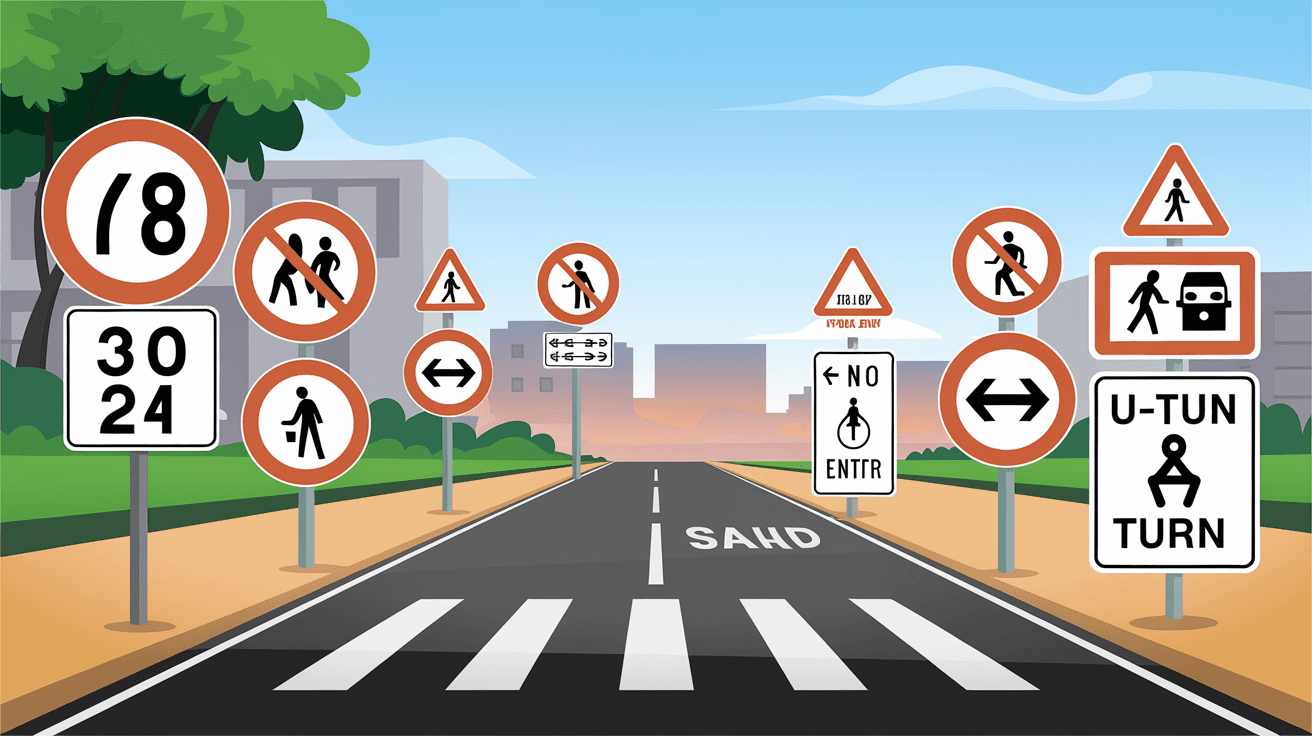
If you’ve ever driven or traveled in India, you’ve probably noticed the many traffic signs guiding vehicles and pedestrians. But have you ever wondered how many traffic signs there actually are in India? Understanding the number and types of traffic signs can help you become a safer and more confident road user.
In this article, I’ll walk you through the different categories of traffic signs in India, their total count, and why they matter. Whether you’re a new driver or just curious, this guide will give you a clear picture of India’s traffic signage system.
Traffic signs are visual signals placed along roads to regulate, warn, and guide drivers and pedestrians. They help maintain order and safety on busy streets and highways.
In India, where roads can be crowded and chaotic, traffic signs play a crucial role in reducing confusion and accidents.
India follows the guidelines set by the Central Motor Vehicle Rules (CMVR) and the Indian Roads Congress (IRC) for traffic signs. These signs are divided into three main categories:
Regulatory signs tell you what you must or must not do on the road. Ignoring these signs can lead to fines or accidents.
Warning signs alert you to potential dangers ahead so you can drive carefully.
These signs provide useful information about directions, distances, and facilities.
The exact number of traffic signs in India is not fixed because it depends on the road network and local requirements. However, the Indian Roads Congress has standardized over 100 different types of traffic signs across the country.
Here’s a rough breakdown:
| Category | Approximate Number of Signs | Description |
| Regulatory Signs | 40+ | Rules and prohibitions |
| Warning Signs | 30+ | Alerts about road conditions |
| Informative Signs | 30+ | Directions and facilities |
These signs are installed on national highways, state highways, city roads, and rural areas. The number grows as new roads and urban areas develop.
Let’s look at some common signs you’ll see on Indian roads:
These signs are designed to be easy to understand, even for new drivers.
Traffic signs in India are made using reflective materials to ensure visibility day and night. The Indian Roads Congress provides specifications on size, color, and reflectivity.
In recent years, there has been a push to upgrade signs with better materials and clearer designs.
Despite the large number of traffic signs, India faces some challenges:
Efforts are ongoing to improve signage quality and driver education to overcome these issues.
Understanding traffic signs helps you:
If you’re preparing for a driving test in India, studying these signs is essential.
India has over 100 standardized traffic signs divided into regulatory, warning, and informative categories. These signs are vital for road safety and smooth traffic flow across the country’s vast and busy road network. While challenges exist, ongoing improvements aim to make Indian roads safer for everyone.
By learning and respecting these signs, you can become a more responsible driver or pedestrian. Next time you’re on the road, take a moment to notice the signs—they’re there to protect you and others.
There are three main types: regulatory, warning, and informative signs. Together, they include over 100 standardized signs used across the country.
Local municipal authorities, state highway departments, and the National Highways Authority of India (NHAI) handle installation and maintenance.
Yes, the Indian Roads Congress (IRC) sets standards for design, size, and color to ensure uniformity nationwide.
Traffic signs are usually made of metal with reflective paint or stickers to ensure visibility during day and night.
Yes, ignoring or violating traffic signs can result in fines, penalties, or even legal action under the Motor Vehicles Act.