

How Many Towers of Airtel in India
F
Discover verified facts, data, and insights about India’s states, culture, economy, education, and more — all in one place at FactBharat.
Search for a command to run...
Discover verified facts, data, and insights about India’s states, culture, economy, education, and more — all in one place at FactBharat.
No comments yet. Be the first to comment.
Moving to the USA from India is a dream for many. Whether you want to study, work, or live with family, the process can seem complex. But with the right information, you can plan your move confidently. I’ll guide you through the key steps and options...
Opening a college in India is a dream for many educators and entrepreneurs who want to contribute to the country’s education sector. If you are one of those who want to start a college, you need to understand the process clearly. It involves several ...
Opening a hospital in India is a significant and rewarding venture. If you’ve ever wondered how to start one, you’re in the right place. Whether you’re a healthcare professional, entrepreneur, or investor, understanding the process is crucial. You’ll...
Opening a medical store in India can be a rewarding business opportunity. You get to serve your community by providing essential medicines and healthcare products. If you are thinking about starting a medical store, you might wonder where to begin an...
Opening a restaurant in India can be an exciting and rewarding venture. Whether you dream of serving traditional Indian dishes or international cuisine, the process involves careful planning and understanding of local regulations. If you’re ready to ...
FactBharat | Insights About India
2558 posts
Discover verified facts, data, and insights about India’s states, culture, economy, education, and more — all in one place at FactBharat.
If you’ve ever wondered how Airtel manages to provide such widespread mobile coverage across India, the answer lies in its extensive network of towers. These towers are the backbone of Airtel’s connectivity, enabling millions of users to stay connected every day. But how many towers does Airtel actually have in India?
In this article, I’ll walk you through the current number of Airtel towers in India, why they matter, and how they help improve your mobile experience. You’ll also learn about the challenges and future plans related to these towers. Let’s dive in and explore the world of Airtel’s network infrastructure.
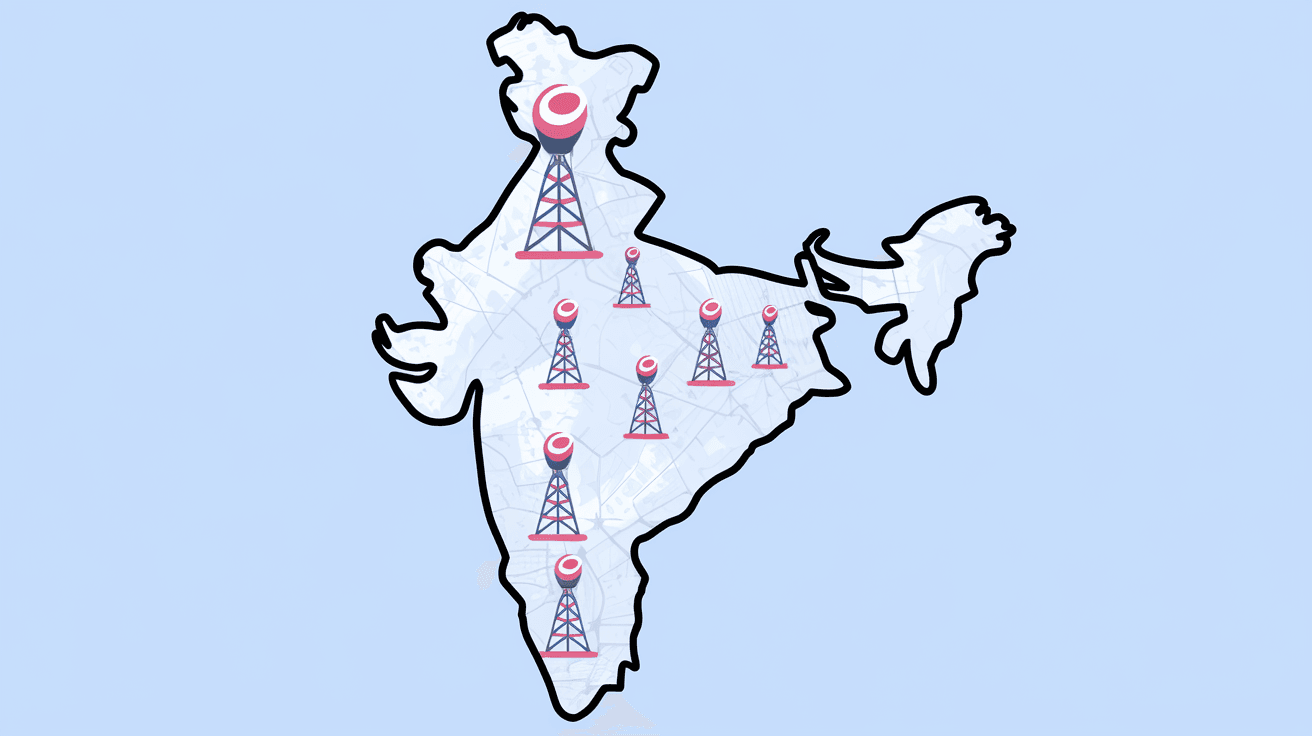
Airtel is one of the largest telecom operators in India, and its network infrastructure reflects that scale. As of 2025, Airtel operates approximately 250,000 to 270,000 telecom towers across the country. This number includes both standalone towers and those shared with other operators.
Airtel’s vast network of towers covers urban, semi-urban, and rural areas, ensuring connectivity even in remote locations. This extensive infrastructure is a key reason why Airtel remains a top choice for millions of users.
You might wonder why Airtel needs hundreds of thousands of towers. Here are some reasons:
Airtel uses different types of towers depending on the location and need:
Using a mix of these towers, Airtel ensures both wide coverage and high capacity in busy areas.
To optimize costs and reduce environmental impact, Airtel shares many towers with other telecom operators. Tower sharing helps:
This strategy benefits customers by improving network reach without cluttering the landscape with too many towers.
Building and maintaining towers across India is not without challenges:
Despite these hurdles, Airtel continues to invest heavily in expanding and upgrading its tower network.
Airtel’s towers play a crucial role in connecting rural India. Many villages now have access to mobile networks and internet thanks to these towers.
Airtel’s rural tower expansion supports India’s digital inclusion goals and helps bridge the urban-rural divide.
Airtel is actively upgrading its network to support 5G technology, which requires even more towers and infrastructure.
These advancements will improve your mobile experience with faster speeds and more reliable connections.
In India, Airtel competes with Reliance Jio and Vodafone Idea. Here’s a quick comparison:
| Operator | Approximate Number of Towers | Coverage Focus | Technology Focus |
| Airtel | 250,000 - 270,000 | Pan-India, rural & urban | 4G, expanding 5G |
| Reliance Jio | 200,000 - 220,000 | Urban & semi-urban | 4G, 5G |
| Vodafone Idea | 150,000 - 170,000 | Urban & rural | 4G |
Airtel’s larger tower base helps it maintain strong coverage and quality, especially in rural and remote areas.
If you want to know how well Airtel’s towers cover your location, here are some ways:
Knowing tower coverage helps you choose the best network for your needs.
Airtel’s network of around 250,000 to 270,000 towers forms the backbone of its mobile services in India. These towers ensure wide coverage, better call quality, and faster internet speeds for millions of users. From big cities to remote villages, Airtel’s towers help keep people connected every day.
As Airtel moves forward with 5G and new technologies, its tower network will continue to grow and evolve. Understanding the scale and importance of these towers gives you a clearer picture of how your mobile network works behind the scenes. Whether you live in a bustling city or a quiet village, Airtel’s towers play a vital role in keeping you connected.
Airtel has approximately 250,000 to 270,000 towers across India, covering urban, semi-urban, and rural areas to provide widespread mobile connectivity.
Airtel uses macro towers, small cells, micro towers, and rooftop towers to ensure broad coverage and high capacity in different locations.
Yes, Airtel shares many towers with other telecom companies to reduce costs, speed up expansion, and minimize environmental impact.
More towers mean better signal strength, fewer call drops, faster internet speeds, and support for advanced technologies like 5G.
Challenges include land acquisition, regulatory approvals, environmental concerns, and ensuring reliable power supply, especially in remote areas.