

How Many Total Villages in India
F
Discover verified facts, data, and insights about India’s states, culture, economy, education, and more — all in one place at FactBharat.
Search for a command to run...
Discover verified facts, data, and insights about India’s states, culture, economy, education, and more — all in one place at FactBharat.
No comments yet. Be the first to comment.
Moving to the USA from India is a dream for many. Whether you want to study, work, or live with family, the process can seem complex. But with the right information, you can plan your move confidently. I’ll guide you through the key steps and options...
Opening a college in India is a dream for many educators and entrepreneurs who want to contribute to the country’s education sector. If you are one of those who want to start a college, you need to understand the process clearly. It involves several ...
Opening a hospital in India is a significant and rewarding venture. If you’ve ever wondered how to start one, you’re in the right place. Whether you’re a healthcare professional, entrepreneur, or investor, understanding the process is crucial. You’ll...
Opening a medical store in India can be a rewarding business opportunity. You get to serve your community by providing essential medicines and healthcare products. If you are thinking about starting a medical store, you might wonder where to begin an...
Opening a restaurant in India can be an exciting and rewarding venture. Whether you dream of serving traditional Indian dishes or international cuisine, the process involves careful planning and understanding of local regulations. If you’re ready to ...
FactBharat | Insights About India
2558 posts
Discover verified facts, data, and insights about India’s states, culture, economy, education, and more — all in one place at FactBharat.
India is known for its vast and diverse rural landscape. When you think about the country, you might picture bustling cities, but a large part of India’s population still lives in villages. If you’re curious about how many villages there are in India, you’re not alone. Understanding the number of villages helps us appreciate the scale of rural life and the challenges and opportunities it presents.
In this article, I’ll walk you through the total number of villages in India, what defines a village, and why these rural areas matter. You’ll also learn about the distribution of villages across states and how they contribute to India’s culture and economy. Let’s explore the heart of India’s countryside together.
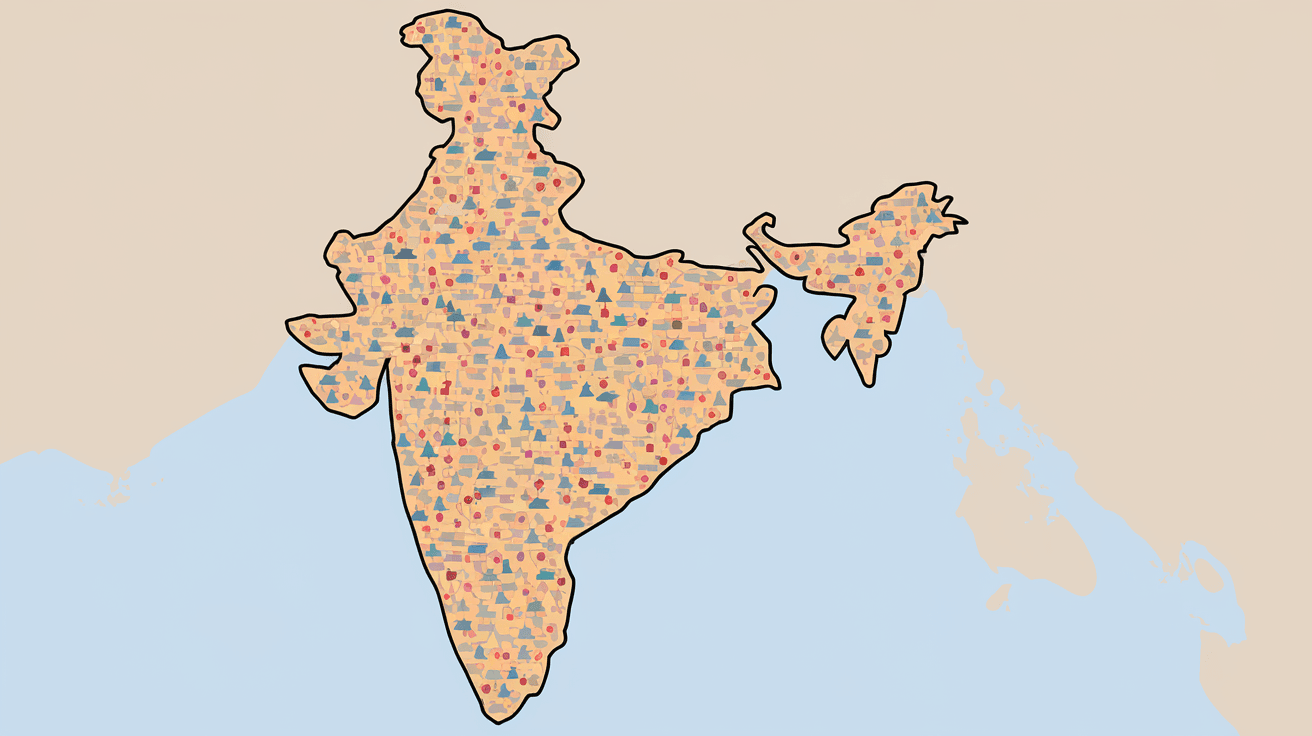
India has one of the largest rural populations in the world. According to the latest data from the Census of India, there are approximately 649,481 villages across the country. This number reflects the vastness of India’s rural settlement pattern.
Villages in India vary widely in size and population. Some villages have just a few hundred residents, while others are home to thousands. The Census defines a village as a revenue unit with a distinct boundary and recognized administrative status.
A village in India is more than just a small settlement. It has specific characteristics that distinguish it from towns and cities.
These features help the government organize census data and implement rural policies effectively.
India’s villages are spread unevenly across its states and union territories. Some states have a higher concentration of villages due to their larger rural populations and geographical size.
| State | Approximate Number of Villages |
| Uttar Pradesh | 97,941 |
| Maharashtra | 41,902 |
| Bihar | 44,916 |
| West Bengal | 39,071 |
| Madhya Pradesh | 54,819 |
| Rajasthan | 41,776 |
| Tamil Nadu | 12,524 |
Villages play a vital role in India’s economy, especially in agriculture and allied sectors.
The government has launched several schemes to boost rural development, such as the Mahatma Gandhi National Rural Employment Guarantee Act (MGNREGA), which aims to provide job security in villages.
Despite their importance, Indian villages face many challenges that affect their growth and quality of life.
Addressing these challenges is crucial for balanced national development.
The Indian government has introduced various programs to improve living conditions in villages.
These initiatives are transforming rural India, making villages more connected and self-reliant.
Villages are the heart of India’s cultural heritage. They preserve traditional customs, festivals, and languages that are often lost in urban areas.
Visiting Indian villages offers a glimpse into the country’s rich and diverse cultural tapestry.
With modernization, Indian villages are undergoing significant changes.
These changes are helping villages integrate with the broader economy while retaining their unique identities.
India’s approximately 649,481 villages form the foundation of the country’s rural life and economy. They are home to a majority of the population and hold immense cultural and economic importance. While villages face challenges like infrastructure gaps and migration, government initiatives and modernization are driving positive change.
Understanding the number and nature of villages helps us appreciate the diversity and complexity of rural India. Whether you’re interested in development, culture, or economics, villages offer valuable insights into the heart of India.
India has around 649,481 villages, according to the latest census data. This number reflects the vast rural landscape across all states and union territories.
Uttar Pradesh has the highest number of villages, with approximately 97,941 villages, due to its large rural population and geographical size.
A village is a rural settlement recognized as the smallest administrative unit, typically focused on agriculture, governed by a Gram Panchayat, and smaller than towns or cities.
Villages contribute significantly through agriculture, cottage industries, and rural markets, supporting over 60% of the population and providing employment and food security.
Key challenges include lack of infrastructure, limited education and healthcare, agricultural risks, and migration to cities, which affect rural development and quality of life.