

How Many Toll Gates Are There in India?
F
Discover verified facts, data, and insights about India’s states, culture, economy, education, and more — all in one place at FactBharat.
Search for a command to run...
Discover verified facts, data, and insights about India’s states, culture, economy, education, and more — all in one place at FactBharat.
No comments yet. Be the first to comment.
Moving to the USA from India is a dream for many. Whether you want to study, work, or live with family, the process can seem complex. But with the right information, you can plan your move confidently. I’ll guide you through the key steps and options...
Opening a college in India is a dream for many educators and entrepreneurs who want to contribute to the country’s education sector. If you are one of those who want to start a college, you need to understand the process clearly. It involves several ...
Opening a hospital in India is a significant and rewarding venture. If you’ve ever wondered how to start one, you’re in the right place. Whether you’re a healthcare professional, entrepreneur, or investor, understanding the process is crucial. You’ll...
Opening a medical store in India can be a rewarding business opportunity. You get to serve your community by providing essential medicines and healthcare products. If you are thinking about starting a medical store, you might wonder where to begin an...
Opening a restaurant in India can be an exciting and rewarding venture. Whether you dream of serving traditional Indian dishes or international cuisine, the process involves careful planning and understanding of local regulations. If you’re ready to ...
FactBharat | Insights About India
2558 posts
Discover verified facts, data, and insights about India’s states, culture, economy, education, and more — all in one place at FactBharat.
India’s road network is one of the largest in the world, and toll gates play a crucial role in maintaining and expanding this infrastructure. If you’ve ever traveled on Indian highways, you’ve likely encountered toll booths where you pay fees to use certain roads. But have you ever wondered exactly how many toll gates there are in India? Understanding this can help you plan your trips better and know what to expect on your journeys.
In this article, I’ll walk you through the current number of toll gates in India, how they are spread across the country, and the systems used for toll collection. We’ll also look at the impact of tolls on travel and the future of tolling in India. By the end, you’ll have a clear picture of India’s toll infrastructure and how it affects everyday travel.
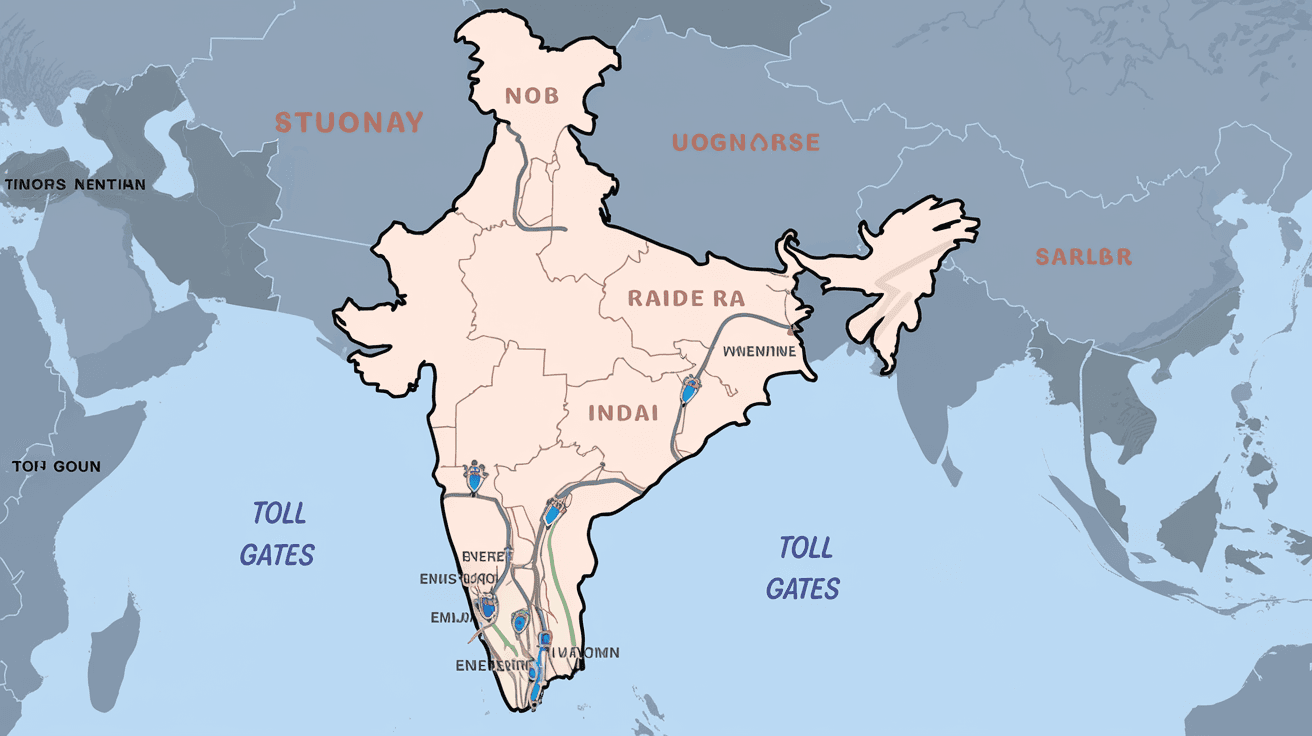
India has a vast network of national highways, expressways, and state highways, many of which have toll gates. As of 2025, there are approximately 600 to 650 operational toll plazas across the country. This number includes toll gates on national highways managed by the National Highways Authority of India (NHAI), state highways, and some expressways.
For example, the Mumbai-Pune Expressway has several toll gates along its 94 km stretch, while the Delhi-Agra highway features multiple toll plazas.
Toll collection in India has evolved significantly over the years. The government and private operators use various methods to collect tolls efficiently.
FASTag is a prepaid RFID tag linked to your bank account or wallet. It allows automatic deduction of toll charges when you pass through a toll plaza.
Toll gates affect travel time, costs, and route choices for millions of drivers daily.
Despite improvements, toll gates in India face some challenges.
India’s toll infrastructure is evolving with technology and policy changes.
If you’re planning a road trip in India, here are some tips to handle toll gates smoothly:
India has around 600 to 650 toll gates spread across its vast highway network. These toll plazas are essential for funding road maintenance and expansion. The introduction of FASTag has transformed toll collection, making it faster and more efficient. While tolls add to travel costs, they help improve road quality and safety.
As India’s infrastructure grows, tolling systems will continue to evolve with new technologies and policies. Understanding how toll gates work and how many there are can help you plan your trips better and avoid surprises on the road. Whether you’re a daily commuter or a long-distance traveler, knowing about toll gates is key to smooth and hassle-free journeys in India.
There are approximately 600 to 650 operational toll gates across India, mostly on national highways and expressways.
FASTag is an RFID-based electronic toll collection system that allows automatic deduction of toll fees, enabling faster passage through toll plazas.
No, toll fees vary by highway, vehicle type, and distance traveled. Fees are set by authorities managing the roads.
You can use toll-free routes, but they may be longer or less maintained. Most national highways have tolls for maintenance funding.
Manual toll collection can cause delays, but electronic tolling with FASTag has significantly reduced congestion at toll plazas.