

How Many Times Vasco da Gama Came to India
F
Discover verified facts, data, and insights about India’s states, culture, economy, education, and more — all in one place at FactBharat.
Search for a command to run...
Discover verified facts, data, and insights about India’s states, culture, economy, education, and more — all in one place at FactBharat.
No comments yet. Be the first to comment.
Moving to the USA from India is a dream for many. Whether you want to study, work, or live with family, the process can seem complex. But with the right information, you can plan your move confidently. I’ll guide you through the key steps and options...
Opening a college in India is a dream for many educators and entrepreneurs who want to contribute to the country’s education sector. If you are one of those who want to start a college, you need to understand the process clearly. It involves several ...
Opening a hospital in India is a significant and rewarding venture. If you’ve ever wondered how to start one, you’re in the right place. Whether you’re a healthcare professional, entrepreneur, or investor, understanding the process is crucial. You’ll...
Opening a medical store in India can be a rewarding business opportunity. You get to serve your community by providing essential medicines and healthcare products. If you are thinking about starting a medical store, you might wonder where to begin an...
Opening a restaurant in India can be an exciting and rewarding venture. Whether you dream of serving traditional Indian dishes or international cuisine, the process involves careful planning and understanding of local regulations. If you’re ready to ...
FactBharat | Insights About India
2558 posts
Discover verified facts, data, and insights about India’s states, culture, economy, education, and more — all in one place at FactBharat.
Vasco da Gama is one of the most famous explorers in history, especially known for his voyages to India. If you’ve ever wondered how many times Vasco da Gama came to India, you’re in the right place. His journeys opened the sea route from Europe to India, changing global trade forever. Understanding his trips helps us appreciate the early connections between Europe and Asia.
In this article, I’ll walk you through each of Vasco da Gama’s voyages to India. You’ll learn not only how many times he traveled but also what he achieved on each trip. By the end, you’ll see why his journeys were so important for world history and trade.
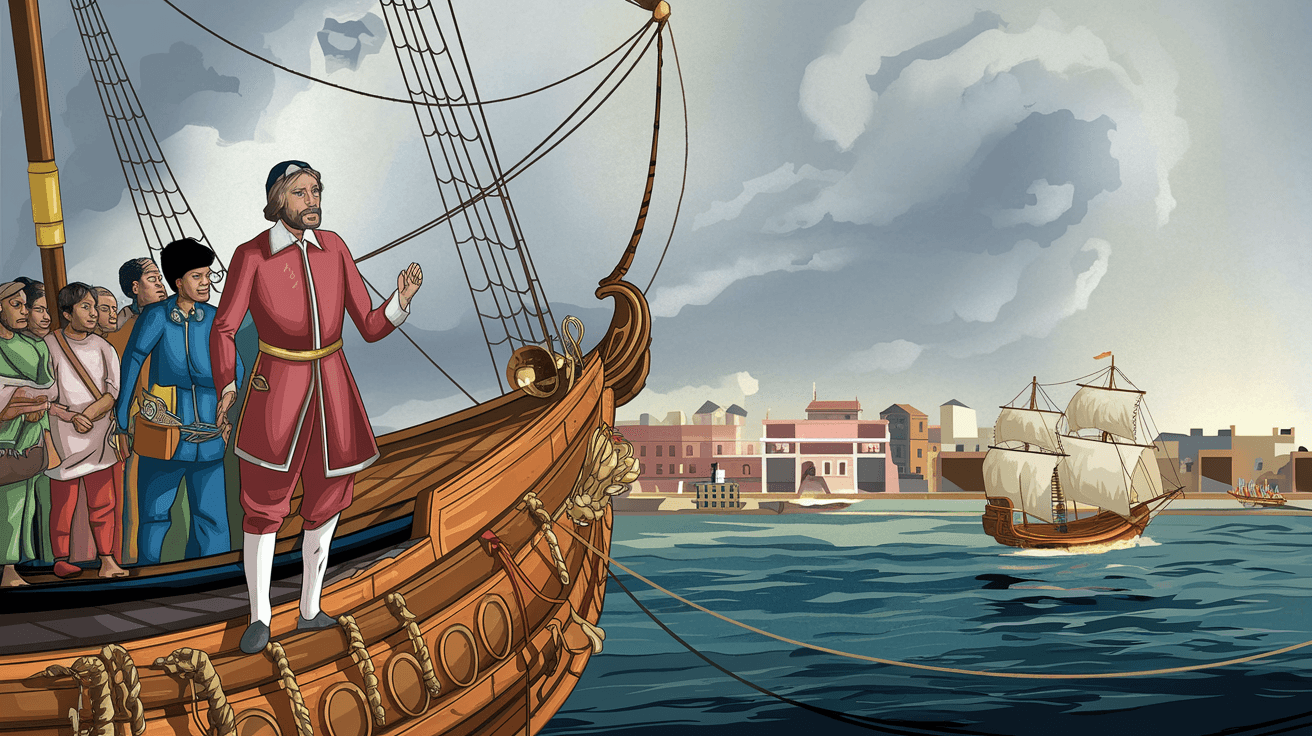
Vasco da Gama’s first trip to India is the most famous. It started in 1497 when he set sail from Lisbon, Portugal. This voyage was historic because it was the first time a European reached India by sea, sailing around Africa’s Cape of Good Hope.
This journey took almost 11 months. Vasco da Gama’s arrival in Calicut marked the beginning of direct maritime trade between Europe and India. Although the first contact was difficult due to cultural and trade misunderstandings, it opened the door for future expeditions.
Vasco da Gama returned to India in 1502 with a much larger fleet. This second voyage was more aggressive and aimed at establishing Portuguese dominance in the Indian Ocean.
This trip showed that Portugal was serious about controlling the spice trade. Vasco da Gama’s use of force helped Portugal gain a foothold in India, which later expanded into a colonial empire.
Vasco da Gama’s third and final voyage to India was in 1524. This trip was different because he went as the Portuguese viceroy, appointed to govern Portuguese territories in India.
This last voyage was more about governance than exploration. Vasco da Gama’s death in India marked the end of his direct involvement, but his legacy continued through Portuguese rule.
To answer the question clearly: Vasco da Gama came to India three times.
| Voyage Number | Year(s) | Purpose | Outcome |
| First | 1497-1499 | Discover sea route to India | First European to reach India by sea |
| Second | 1502-1503 | Establish Portuguese dominance | Military actions and trading posts |
| Third | 1524 | Govern Portuguese India | Appointed viceroy, died in India |
Each voyage had a different focus, from exploration to military control to governance. Together, they shaped the early European presence in India.
Vasco da Gama’s trips to India were more than just journeys; they changed the world in several ways:
Without his voyages, the history of trade, colonization, and cultural exchange would look very different.
Vasco da Gama’s journeys were not easy. He faced many challenges, including:
Despite these obstacles, Vasco da Gama’s determination helped him succeed.
The arrival of Vasco da Gama and the Portuguese had a lasting impact on India:
These effects shaped India’s history for centuries.
Now you know Vasco da Gama came to India three times. Each voyage had a unique purpose, from discovery to conquest to governance. His journeys opened the sea route between Europe and India, changing global trade forever.
Understanding Vasco da Gama’s trips helps us see how early explorers shaped the world. His voyages were tough but groundbreaking, marking the start of a new era in history. If you want to learn more about exploration and trade, Vasco da Gama’s story is a great place to start.
Vasco da Gama traveled to India three times: first in 1497-1499, second in 1502-1503, and third in 1524.
His first voyage aimed to find a sea route to India for trade, especially spices, bypassing land routes controlled by other powers.
Yes, during his second voyage, he used military force to establish Portuguese dominance and set up trading posts.
Vasco da Gama died in Cochin, India, in December 1524 during his third voyage as the Portuguese viceroy.
His voyages opened direct sea trade between Europe and India, breaking old trade monopolies and starting global maritime commerce.