

How Many Tiger Reserves in India
Search for a command to run...
No comments yet. Be the first to comment.
Moving to the USA from India is a dream for many. Whether you want to study, work, or live with family, the process can seem complex. But with the right information, you can plan your move confidently. I’ll guide you through the key steps and options...
Opening a college in India is a dream for many educators and entrepreneurs who want to contribute to the country’s education sector. If you are one of those who want to start a college, you need to understand the process clearly. It involves several ...
Opening a hospital in India is a significant and rewarding venture. If you’ve ever wondered how to start one, you’re in the right place. Whether you’re a healthcare professional, entrepreneur, or investor, understanding the process is crucial. You’ll...
Opening a medical store in India can be a rewarding business opportunity. You get to serve your community by providing essential medicines and healthcare products. If you are thinking about starting a medical store, you might wonder where to begin an...
Opening a restaurant in India can be an exciting and rewarding venture. Whether you dream of serving traditional Indian dishes or international cuisine, the process involves careful planning and understanding of local regulations. If you’re ready to ...
FactBharat | Insights About India
2558 posts
Discover verified facts, data, and insights about India’s states, culture, economy, education, and more — all in one place at FactBharat.
India is home to a rich diversity of wildlife, and tigers are one of its most iconic species. If you're curious about how many tiger reserves exist in India, you're not alone. These reserves play a crucial role in protecting tigers and their habitats. In this article, we’ll explore the number of tiger reserves in India, their significance, and what makes them vital for conservation efforts.
Understanding the number of tiger reserves is essential for anyone interested in wildlife conservation. We’ll dive into the details, including the history of these reserves, their locations, and the challenges they face. By the end, you’ll have a comprehensive understanding of the tiger reserves in India and their importance in preserving this majestic species.
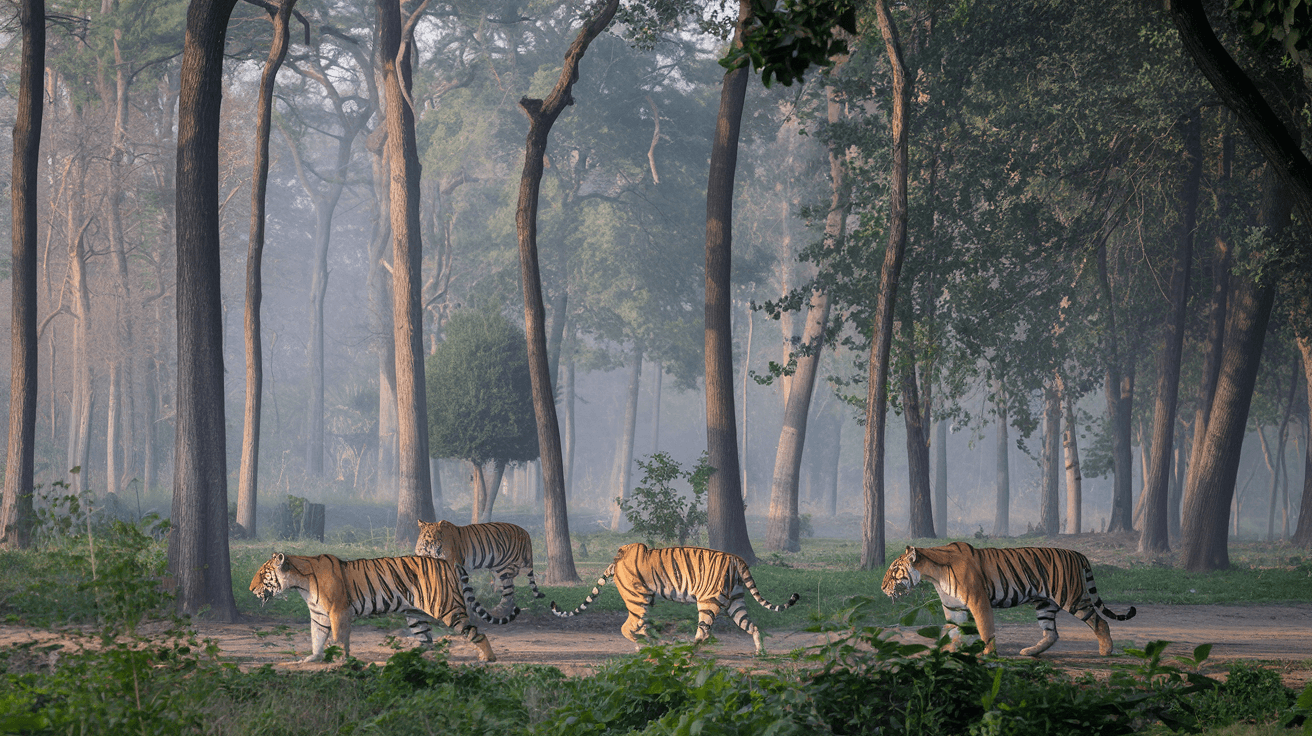
As of now, India has 53 tiger reserves spread across various states. These reserves are part of the National Tiger Conservation Authority (NTCA) program, which aims to protect tigers and their habitats.
These reserves cover a vast area and provide a safe haven for tigers, allowing them to thrive in their natural habitat.
Tiger reserves are not just about protecting tigers; they also serve several other purposes:
By safeguarding these ecosystems, tiger reserves contribute to the overall health of the environment.
Here’s a list of some prominent tiger reserves in India:
Each of these reserves has unique features and plays a vital role in tiger conservation.
The distribution of tiger reserves across India is quite varied. Here’s a breakdown of the states with the highest number of reserves:
This distribution highlights the regions where tigers are most prevalent and where conservation efforts are focused.
Despite their importance, tiger reserves face several challenges:
Addressing these challenges is crucial for the survival of tigers in India.
Various conservation efforts are underway to protect tigers and their habitats:
These efforts are vital for ensuring the long-term survival of tigers in India.
Technology plays a significant role in modern conservation efforts:
By leveraging technology, conservationists can make more informed decisions to protect tigers.
The future of tiger reserves in India looks promising, but it requires continued effort:
With these efforts, we can hope to see a stable and growing tiger population in the coming years.
In summary, India has 53 tiger reserves that play a crucial role in conserving this majestic species. These reserves not only protect tigers but also contribute to biodiversity and local economies. However, challenges like poaching and habitat loss persist, requiring ongoing efforts and innovative solutions.
As we look to the future, it’s essential to support conservation initiatives and raise awareness about the importance of tiger reserves. Together, we can ensure that tigers continue to roam the forests of India for generations to come.
India has 53 tiger reserves, which are crucial for the conservation of tigers and their habitats.
The first tiger reserve in India is Jim Corbett National Park, established in 1973.
Madhya Pradesh has the most tiger reserves, with a total of six reserves dedicated to tiger conservation.
The main threats include poaching, habitat loss due to urbanization, and human-wildlife conflict.
Tiger reserves boost local economies through eco-tourism, providing jobs and raising awareness about wildlife conservation.