

How Many Territories in India
Search for a command to run...
No comments yet. Be the first to comment.
Moving to the USA from India is a dream for many. Whether you want to study, work, or live with family, the process can seem complex. But with the right information, you can plan your move confidently. I’ll guide you through the key steps and options...
Opening a college in India is a dream for many educators and entrepreneurs who want to contribute to the country’s education sector. If you are one of those who want to start a college, you need to understand the process clearly. It involves several ...
Opening a hospital in India is a significant and rewarding venture. If you’ve ever wondered how to start one, you’re in the right place. Whether you’re a healthcare professional, entrepreneur, or investor, understanding the process is crucial. You’ll...
Opening a medical store in India can be a rewarding business opportunity. You get to serve your community by providing essential medicines and healthcare products. If you are thinking about starting a medical store, you might wonder where to begin an...
Opening a restaurant in India can be an exciting and rewarding venture. Whether you dream of serving traditional Indian dishes or international cuisine, the process involves careful planning and understanding of local regulations. If you’re ready to ...
FactBharat | Insights About India
2558 posts
Discover verified facts, data, and insights about India’s states, culture, economy, education, and more — all in one place at FactBharat.
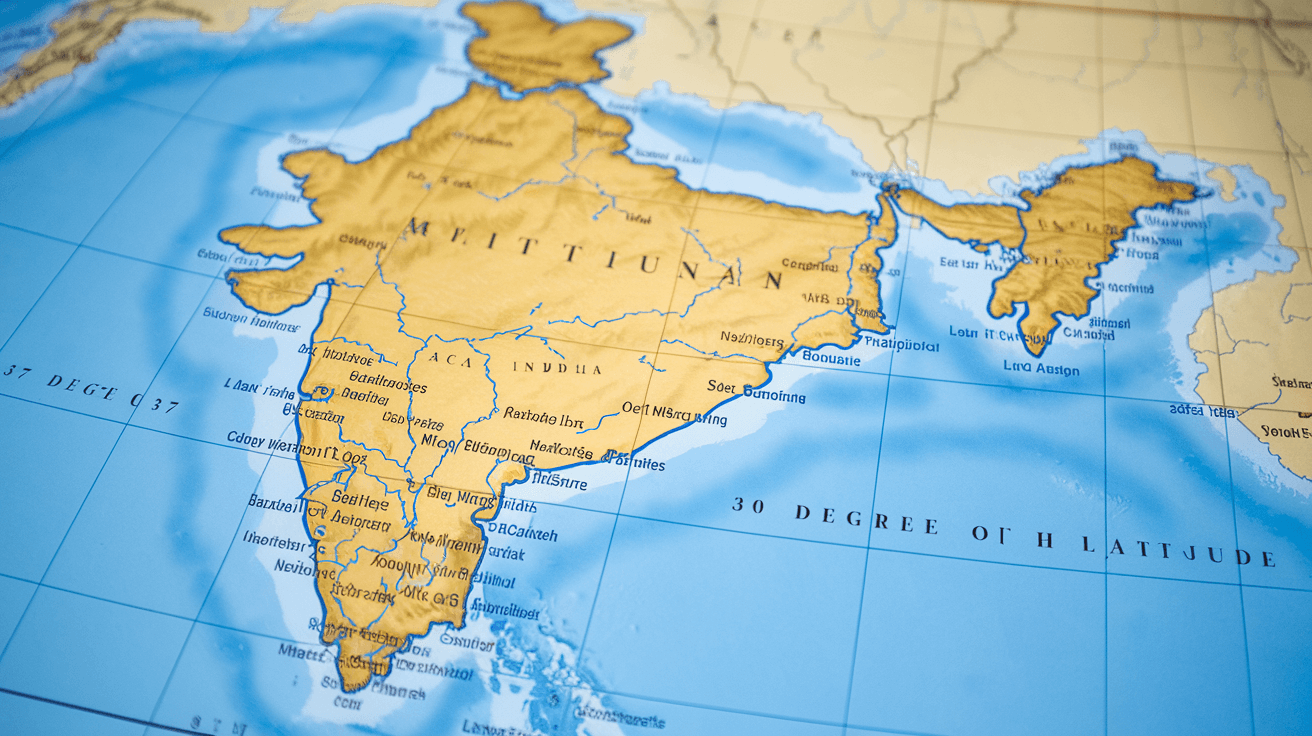
India is a vast and diverse country, known for its rich culture and history. One of the key aspects of its governance is the division into states and union territories. You might be wondering how many territories are in India and what they entail. Understanding this can give you a clearer picture of India's political landscape.
In this article, we will explore the number of territories in India, their characteristics, and their significance. By the end, you will have a comprehensive understanding of India's union territories and their roles within the country.
Union territories (UTs) are regions in India that are governed directly by the Central Government. Unlike states, which have their own governments, union territories often have a more centralized administration. This means that the Union Government has more control over these areas.
Union territories were created to ensure better governance in regions that may not have the administrative capacity to function as states. This setup helps maintain order and provides necessary services to the residents.
As of now, India has eight union territories. This number has changed over the years due to various political and administrative reasons. Here’s a list of the current union territories:
Chandigarh: The capital of both Punjab and Haryana, Chandigarh is known for its modern architecture and urban design.
Dadra and Nagar Haveli and Daman and Diu: This territory was formed by merging two former territories. It is known for its Portuguese heritage and beautiful coastlines.
Lakshadweep: An archipelago off the southwestern coast of India, Lakshadweep is famous for its coral reefs and marine life.
Delhi (National Capital Territory): As the capital of India, Delhi is a bustling metropolis with a rich history and cultural significance.
Puducherry: Known for its French colonial architecture, Puducherry has a unique blend of Indian and French cultures.
Ladakh: A region known for its stunning landscapes and Buddhist culture, Ladakh was carved out of Jammu and Kashmir in 2019.
Jammu and Kashmir: This territory was also formed in 2019, following the abrogation of Article 370, which granted special status to the region.
The concept of union territories in India has evolved over time. Initially, there were only a few territories, but as the country grew and changed, new territories were created.
This evolution reflects India's changing political landscape and the need for effective governance in diverse regions.
Union territories have a unique governance structure. While some have legislative assemblies, others are directly administered by the Central Government.
This structure allows the Central Government to maintain control while also providing some level of local governance where necessary.
Union territories play a crucial role in India's governance and administration. They help maintain order and provide essential services to their residents.
Cultural Diversity: They showcase India's cultural diversity, with each territory having its unique traditions and practices.
Tourism and Economy: Many UTs are tourist hotspots, contributing significantly to the local and national economy.
Understanding the importance of union territories helps appreciate their role in India's overall governance.
While union territories have their advantages, they also face several challenges. These challenges can impact governance and the quality of life for residents.
Political Instability: Some territories experience political unrest, which can hinder development.
Infrastructure Development: In remote areas, infrastructure development is often slow, impacting connectivity and access to services.
Addressing these challenges is crucial for the effective governance of union territories.
The future of union territories in India is likely to evolve further. As the country continues to grow and change, so will the administrative divisions.
Statehood: Some territories may seek statehood, which would grant them more autonomy and governance powers.
Improved Governance: Efforts may be made to enhance governance structures and address existing challenges.
The future will depend on political decisions and the needs of the regions.
In summary, India currently has eight union territories, each with its unique characteristics and governance structures. These territories play a vital role in the country's administration and cultural diversity.
As we look to the future, the evolution of union territories will continue to shape India's political landscape. Understanding their significance helps us appreciate the complexities of governance in such a diverse nation.
India has eight union territories. These include Andaman and Nicobar Islands, Chandigarh, Dadra and Nagar Haveli and Daman and Diu, Lakshadweep, Delhi, Puducherry, Ladakh, and Jammu and Kashmir.
States have their own governments and more autonomy, while union territories are governed directly by the Central Government. UTs often have limited legislative powers compared to states.
Union territories were created to ensure better governance in regions that may not have the administrative capacity to function as states. This setup allows for more direct control and efficient administration.
Yes, some union territories can seek statehood. This would grant them more autonomy and governance powers. Political decisions and regional needs often influence such changes.
Union territories face challenges like limited resources, political instability, and slow infrastructure development. Addressing these issues is crucial for effective governance and improving residents' quality of life.