

How Many Temples Are There in India
F
Discover verified facts, data, and insights about India’s states, culture, economy, education, and more — all in one place at FactBharat.
Search for a command to run...
Discover verified facts, data, and insights about India’s states, culture, economy, education, and more — all in one place at FactBharat.
No comments yet. Be the first to comment.
Moving to the USA from India is a dream for many. Whether you want to study, work, or live with family, the process can seem complex. But with the right information, you can plan your move confidently. I’ll guide you through the key steps and options...
Opening a college in India is a dream for many educators and entrepreneurs who want to contribute to the country’s education sector. If you are one of those who want to start a college, you need to understand the process clearly. It involves several ...
Opening a hospital in India is a significant and rewarding venture. If you’ve ever wondered how to start one, you’re in the right place. Whether you’re a healthcare professional, entrepreneur, or investor, understanding the process is crucial. You’ll...
Opening a medical store in India can be a rewarding business opportunity. You get to serve your community by providing essential medicines and healthcare products. If you are thinking about starting a medical store, you might wonder where to begin an...
Opening a restaurant in India can be an exciting and rewarding venture. Whether you dream of serving traditional Indian dishes or international cuisine, the process involves careful planning and understanding of local regulations. If you’re ready to ...
FactBharat | Insights About India
2558 posts
Discover verified facts, data, and insights about India’s states, culture, economy, education, and more — all in one place at FactBharat.
India is known worldwide for its rich spiritual heritage and diverse religious practices. One of the most visible symbols of this heritage is the countless temples scattered across the country. If you've ever wondered how many temples are there in India, you're not alone. The number is staggering, reflecting the deep-rooted faith and cultural traditions that have thrived here for thousands of years.
In this article, I’ll take you through the fascinating world of Indian temples. We’ll explore their numbers, significance, and the variety you can find from north to south and east to west. Whether you’re a traveler, a history lover, or simply curious, understanding the scale and importance of temples in India will give you a deeper appreciation of this incredible country.
India is home to millions of temples, but estimating the exact number is challenging. According to various studies and government reports, there are approximately 3.5 million temples across the country. This number includes large, famous temples as well as small, local shrines found in villages and towns.
Despite these challenges, the figure of 3.5 million gives a good idea of the scale.
Temples are not evenly distributed across India. Some states have a higher concentration due to historical, cultural, and religious reasons.
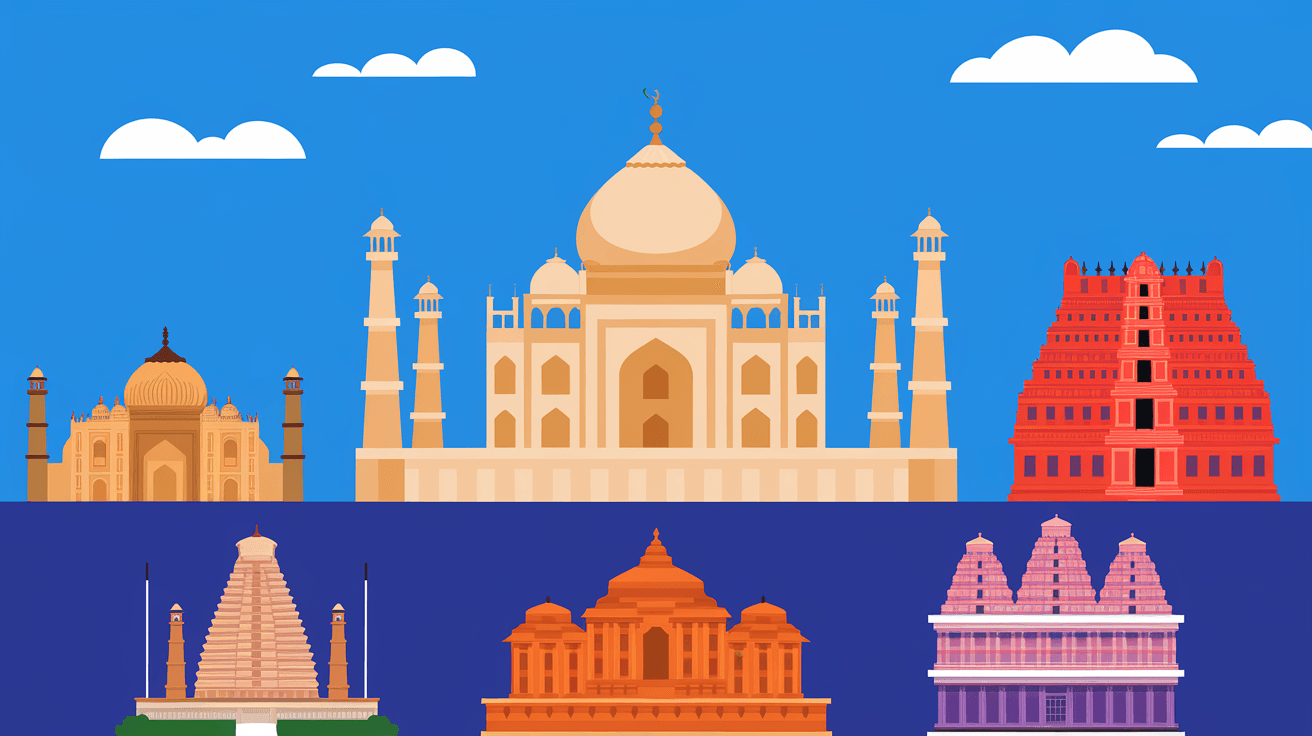
Temples in India come in many forms, reflecting different architectural styles, deities, and religious practices.
India’s temples are not just places of worship but also cultural landmarks. Here are some iconic temples and why they matter.
Temples in India are more than religious centers. They play a vital role in social, cultural, and economic life.
With millions of temples, management varies widely.
If you plan to visit temples in India, here are some tips.
India’s temples are a testament to the country’s rich spiritual and cultural heritage. With around 3.5 million temples spread across diverse regions, they offer a glimpse into the faith, art, and history that shape Indian society. Whether grand or humble, each temple holds a unique story and significance.
Exploring these temples can be a deeply enriching experience. They connect you to centuries-old traditions and vibrant communities. So, next time you wonder how many temples are there in India, remember it’s not just a number—it’s a living, breathing part of the nation’s soul.
There are approximately 3.5 million temples in India, including large famous temples and small local shrines spread across the country.
Tamil Nadu has the highest number of temples, with over 33,000, earning it the nickname "Land of Temples."
The main styles are Dravidian (South India), Nagara (North India), and Vesara (a blend of both), each with distinct features like gopurams and shikharas.
No, while most temples are Hindu, India also has Jain temples, Buddhist stupas, and Sikh gurudwaras, reflecting its religious diversity.
Temples attract tourists, create jobs, and support local businesses, making them important for regional economic development.