

How Many Teachers Are There in India
F
Discover verified facts, data, and insights about India’s states, culture, economy, education, and more — all in one place at FactBharat.
Search for a command to run...
Discover verified facts, data, and insights about India’s states, culture, economy, education, and more — all in one place at FactBharat.
No comments yet. Be the first to comment.
Moving to the USA from India is a dream for many. Whether you want to study, work, or live with family, the process can seem complex. But with the right information, you can plan your move confidently. I’ll guide you through the key steps and options...
Opening a college in India is a dream for many educators and entrepreneurs who want to contribute to the country’s education sector. If you are one of those who want to start a college, you need to understand the process clearly. It involves several ...
Opening a hospital in India is a significant and rewarding venture. If you’ve ever wondered how to start one, you’re in the right place. Whether you’re a healthcare professional, entrepreneur, or investor, understanding the process is crucial. You’ll...
Opening a medical store in India can be a rewarding business opportunity. You get to serve your community by providing essential medicines and healthcare products. If you are thinking about starting a medical store, you might wonder where to begin an...
Opening a restaurant in India can be an exciting and rewarding venture. Whether you dream of serving traditional Indian dishes or international cuisine, the process involves careful planning and understanding of local regulations. If you’re ready to ...
FactBharat | Insights About India
2558 posts
Discover verified facts, data, and insights about India’s states, culture, economy, education, and more — all in one place at FactBharat.
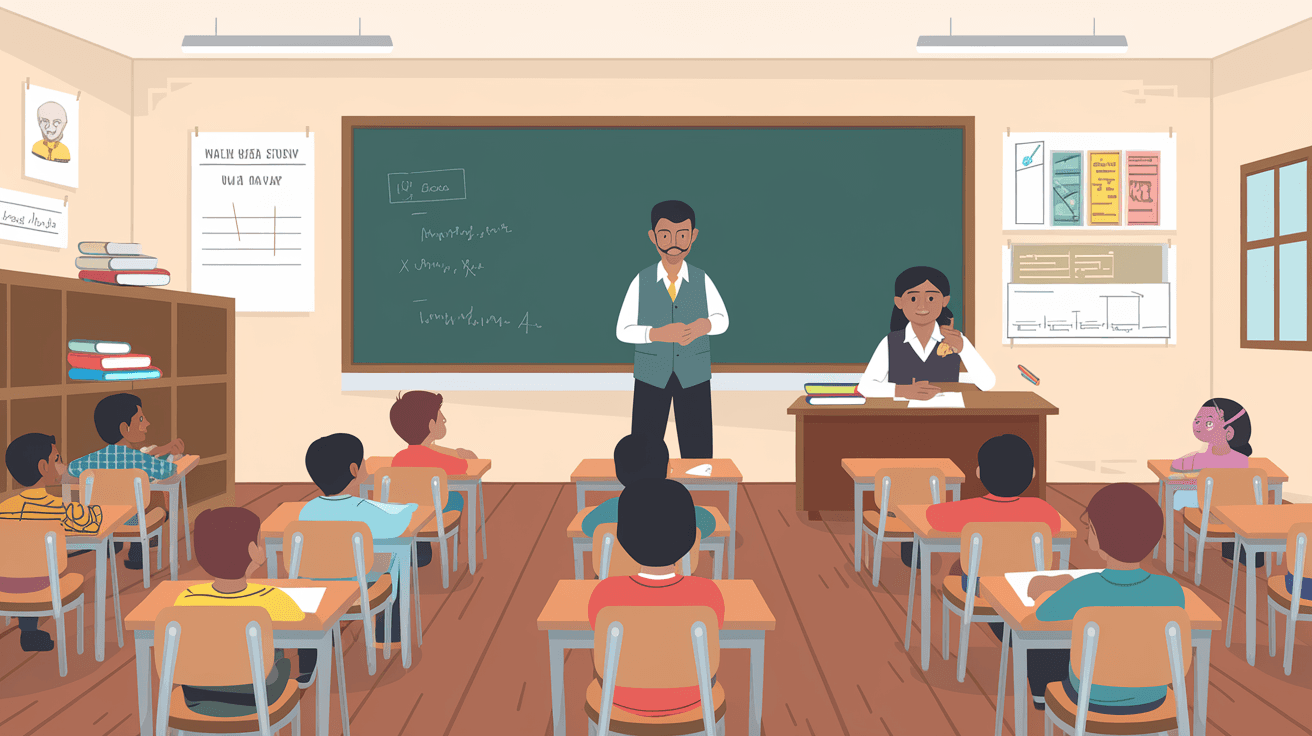
India's education system is vast and complex, and teachers play a crucial role in shaping the future of millions of students. If you've ever wondered how many teachers are there in India, you're not alone. Understanding the scale of the teaching workforce helps us appreciate the challenges and opportunities in Indian education.
In this article, I'll walk you through the latest data on the number of teachers in India, how they are distributed across different levels of education, and what this means for the country's educational goals. Whether you're a student, parent, or education enthusiast, this overview will give you a clear picture of India's teaching landscape.
India has one of the largest education systems in the world, and naturally, it requires a huge number of teachers. According to recent government reports and education surveys, India has approximately 9.5 million teachers working across various educational levels.
This figure includes teachers from:
The majority of these teachers are employed in government schools, but a significant number also work in private schools and institutions.
This distribution reflects the structure of India's education system, which prioritizes universal primary education while expanding access to secondary and higher education.
India's states vary widely in terms of population, education infrastructure, and teacher availability. Some states have a higher concentration of teachers due to larger populations or better education funding.
Here are some examples:
The teacher-student ratio is a key indicator of education quality. The Right to Education Act in India mandates a ratio of 1:30 for primary schools and 1:35 for upper primary schools.
Despite the large number of teachers, India faces several challenges in education quality and teacher effectiveness.
Private schools and alternative education providers have grown significantly in India. They employ millions of teachers, often with different pay scales and training standards.
The Indian government has launched several initiatives to improve the teaching workforce:
These efforts aim to enhance teacher effectiveness and address shortages.
India's student population is expected to grow, especially in secondary and higher education. This means the demand for qualified teachers will increase.
Planning for this growth is critical to achieving India's education goals.
| Education Level | Number of Teachers (Millions) | Key Points |
| Primary & Upper Primary | 7.0 | Largest group, foundational years |
| Secondary & Higher Secondary | 1.8 | Specialized subjects |
| Higher Education | 0.7 | Professors, lecturers |
| Total | 9.5 | Across all education levels |
Now you know that India has about 9.5 million teachers working across various educational levels. This massive workforce supports one of the world's largest student populations. However, challenges like teacher shortages, training gaps, and infrastructure issues remain.
The government and private sectors are actively working to improve teacher quality and recruitment. With India's growing student numbers, the demand for skilled teachers will only increase. Understanding these facts helps us appreciate the vital role teachers play in shaping India's future.
India has approximately 9.5 million teachers across primary, secondary, and higher education levels.
Uttar Pradesh has the highest number of teachers, with over 1.5 million serving its large student population.
The Right to Education Act mandates a ratio of 1:30 for primary and 1:35 for upper primary schools, though actual ratios vary by region.
While many teachers are qualified, some regions face shortages and gaps in continuous training and professional development.
Programs like Samagra Shiksha Abhiyan, DIKSHA, and the National Education Policy 2020 focus on improving teacher recruitment, training, and quality.