

How Many Taj Mahal in India
F
Discover verified facts, data, and insights about India’s states, culture, economy, education, and more — all in one place at FactBharat.
Search for a command to run...
Discover verified facts, data, and insights about India’s states, culture, economy, education, and more — all in one place at FactBharat.
No comments yet. Be the first to comment.
Moving to the USA from India is a dream for many. Whether you want to study, work, or live with family, the process can seem complex. But with the right information, you can plan your move confidently. I’ll guide you through the key steps and options...
Opening a college in India is a dream for many educators and entrepreneurs who want to contribute to the country’s education sector. If you are one of those who want to start a college, you need to understand the process clearly. It involves several ...
Opening a hospital in India is a significant and rewarding venture. If you’ve ever wondered how to start one, you’re in the right place. Whether you’re a healthcare professional, entrepreneur, or investor, understanding the process is crucial. You’ll...
Opening a medical store in India can be a rewarding business opportunity. You get to serve your community by providing essential medicines and healthcare products. If you are thinking about starting a medical store, you might wonder where to begin an...
Opening a restaurant in India can be an exciting and rewarding venture. Whether you dream of serving traditional Indian dishes or international cuisine, the process involves careful planning and understanding of local regulations. If you’re ready to ...
FactBharat | Insights About India
2558 posts
Discover verified facts, data, and insights about India’s states, culture, economy, education, and more — all in one place at FactBharat.
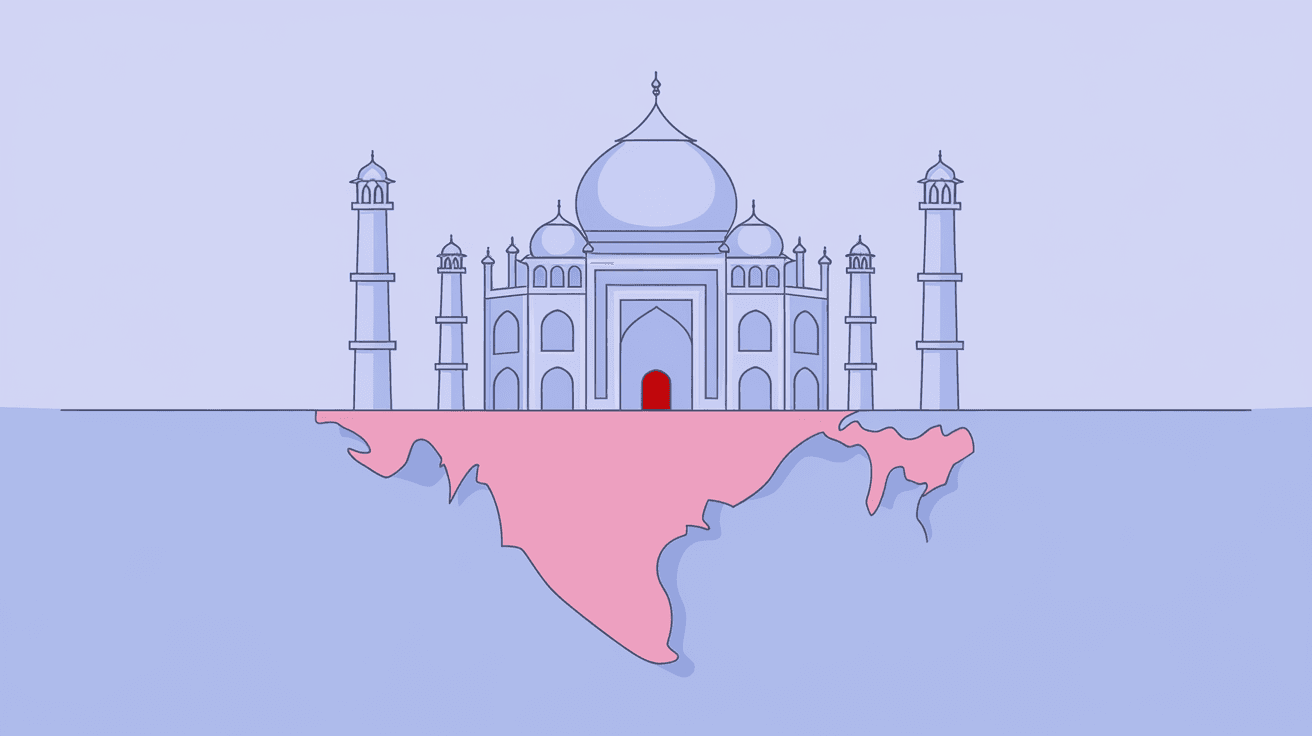
You might think there is only one Taj Mahal in India, the famous white marble mausoleum in Agra. But did you know there are several other monuments inspired by or named after the Taj Mahal across the country? If you’re curious about how many Taj Mahal structures exist in India, you’re in the right place.
In this article, I’ll guide you through the famous Taj Mahal and other lesser-known monuments that share its name or design. You’ll learn about their history, locations, and what makes each of them unique. Let’s explore the Taj Mahals of India beyond the iconic one in Agra.
The Taj Mahal in Agra is the most famous monument in India and one of the New Seven Wonders of the World. Built by Emperor Shah Jahan in memory of his wife Mumtaz Mahal, it is a symbol of love and architectural brilliance.
This Taj Mahal is the original and the most recognized. It is the benchmark for all other monuments that claim the Taj Mahal name.
Several other structures in India are inspired by the Taj Mahal’s design or are locally called “Taj Mahal” due to their beauty or historical significance. These are not replicas but often pay homage to the original.
Often called the “Taj of the Deccan,” Bibi Ka Maqbara was built by Aurangzeb’s son, Azam Shah, in memory of his mother, Dilras Banu Begum.
This monument is the closest in design to the Taj Mahal and is a popular tourist spot in Maharashtra.
The Hazarduari Palace in Murshidabad, West Bengal, is sometimes referred to as the “Taj Mahal of Bengal” because of its grandeur and white facade.
Though not a mausoleum, its nickname connects it to the Taj Mahal’s grandeur.
Taj-ul-Masajid in Bhopal is one of the largest mosques in India. Its name means “Crown of Mosques,” and it is sometimes called the Taj Mahal of Bhopal due to its impressive architecture.
This mosque’s grandeur and name link it symbolically to the Taj Mahal.
The Qutb Shahi Tombs in Hyderabad are a group of tombs built by the Qutb Shahi dynasty. Some tombs have architectural elements inspired by the Taj Mahal.
While not called Taj Mahal, these tombs reflect similar Mughal architectural influences.
The original Taj Mahal’s beauty and symbolism inspired many rulers and architects across India. The Mughal architectural style, characterized by domes, arches, and white marble, influenced many monuments.
This explains why you find several “Taj Mahals” in India, each unique but connected by style or sentiment.
If you want to explore these Taj Mahal-inspired monuments, here’s a quick guide:
| Monument | Location | Best Time to Visit | Entry Fee (Approx.) | Highlights |
| Taj Mahal | Agra, UP | October to March | ₹50 (Indians), ₹1300 (Foreigners) | Iconic mausoleum, gardens |
| Bibi Ka Maqbara | Aurangabad, MH | October to March | ₹25 | Smaller Taj, peaceful site |
| Hazarduari Palace | Murshidabad, WB | October to March | ₹30 | Museum, palace architecture |
| Taj-ul-Masajid | Bhopal, MP | Year-round | Free | Mosque, Islamic architecture |
| Qutb Shahi Tombs | Hyderabad, TS | Year-round | ₹25 | Historical tombs, gardens |
Planning your trip during cooler months will make your visit more comfortable.
While many monuments share the Taj Mahal name or style, they differ in several ways:
Understanding these differences helps appreciate each monument’s unique charm.
Preservation efforts are crucial to maintain these monuments for future generations. The original Taj Mahal faces challenges like pollution and overcrowding.
Similar efforts are underway for other Taj Mahal-inspired monuments to keep their beauty alive.
So, how many Taj Mahal monuments are there in India? While there is only one original Taj Mahal in Agra, several other monuments across India are inspired by it or share its name. From Bibi Ka Maqbara in Maharashtra to the Hazarduari Palace in West Bengal, these sites reflect the Taj Mahal’s lasting influence on Indian architecture and culture.
Exploring these monuments gives you a richer understanding of India’s heritage beyond the famous white marble mausoleum. Each “Taj Mahal” has its own story, style, and significance, making them worth a visit if you want to experience the diverse beauty of India’s historical architecture.
There is only one original Taj Mahal in Agra. However, several other monuments inspired by its design or called “Taj Mahal” exist across India, such as Bibi Ka Maqbara and Hazarduari Palace.
No, Bibi Ka Maqbara is not an exact replica but was inspired by the Taj Mahal’s design. It is smaller and less ornate, built by Aurangzeb’s son in memory of his mother.
The Taj Mahal was built by Emperor Shah Jahan as a mausoleum for his beloved wife Mumtaz Mahal, symbolizing eternal love and devotion.
Yes, but they are spread across different states. Planning a multi-city trip covering Agra, Aurangabad, Murshidabad, Bhopal, and Hyderabad will allow you to visit these monuments.
Pollution, weathering, and overcrowding are major threats. Efforts like pollution control, visitor management, and restoration projects help protect the monument.