

How Many States and Union Territories Are There in India
F
Discover verified facts, data, and insights about India’s states, culture, economy, education, and more — all in one place at FactBharat.
Search for a command to run...
Discover verified facts, data, and insights about India’s states, culture, economy, education, and more — all in one place at FactBharat.
No comments yet. Be the first to comment.
Moving to the USA from India is a dream for many. Whether you want to study, work, or live with family, the process can seem complex. But with the right information, you can plan your move confidently. I’ll guide you through the key steps and options...
Opening a college in India is a dream for many educators and entrepreneurs who want to contribute to the country’s education sector. If you are one of those who want to start a college, you need to understand the process clearly. It involves several ...
Opening a hospital in India is a significant and rewarding venture. If you’ve ever wondered how to start one, you’re in the right place. Whether you’re a healthcare professional, entrepreneur, or investor, understanding the process is crucial. You’ll...
Opening a medical store in India can be a rewarding business opportunity. You get to serve your community by providing essential medicines and healthcare products. If you are thinking about starting a medical store, you might wonder where to begin an...
Opening a restaurant in India can be an exciting and rewarding venture. Whether you dream of serving traditional Indian dishes or international cuisine, the process involves careful planning and understanding of local regulations. If you’re ready to ...
FactBharat | Insights About India
2558 posts
Discover verified facts, data, and insights about India’s states, culture, economy, education, and more — all in one place at FactBharat.
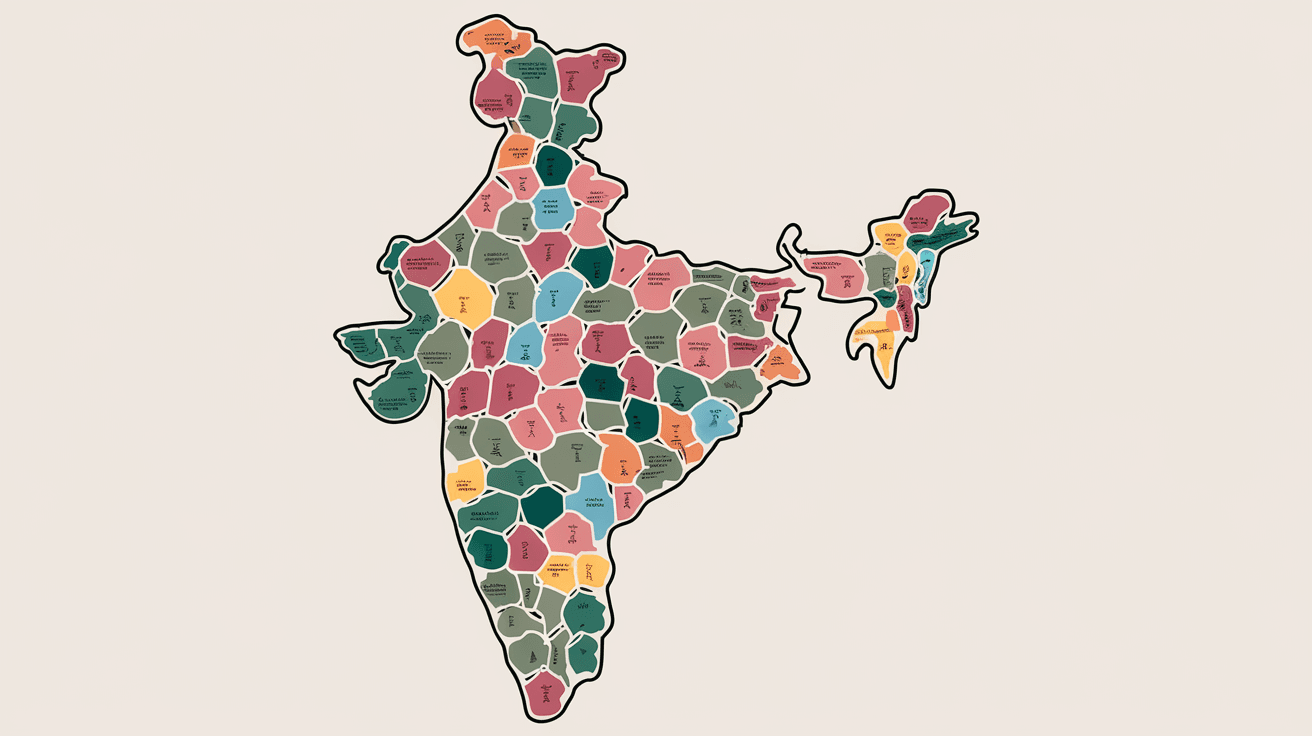
India is a vast and diverse country, known for its rich culture, languages, and geography. When you think about its political structure, you might wonder how many states and union territories it has. Understanding this helps you grasp how India manages its huge population and varied regions.
In this article, I’ll walk you through the current number of states and union territories in India. We’ll also explore what makes them different, why they exist, and some recent changes that have shaped the country’s map. By the end, you’ll have a clear picture of India’s administrative divisions.
India currently has 28 states. Each state has its own government, which handles local matters like education, health, and law enforcement. States have significant powers under the Indian Constitution, allowing them to make laws on many subjects.
A state in India is a large administrative region with its own elected government. States have:
Here are some well-known states:
Each state reflects unique languages, traditions, and economies, making India a mosaic of cultures.
India has 8 union territories. Unlike states, union territories are directly governed by the Central Government of India. Some have their own legislatures, but most are administered by a Lieutenant Governor or an Administrator appointed by the President.
Union territories usually cover:
They are governed directly by the central government to maintain better control or due to their unique needs.
The 8 union territories are:
India’s map has seen changes in recent years, especially in 2019 and 2020.
In August 2019, the government revoked Article 370, which gave special status to Jammu and Kashmir. This led to:
In January 2020, two union territories, Dadra and Nagar Haveli and Daman and Diu, merged to form a single union territory. This was done to improve administrative efficiency.
Understanding the differences helps clarify why India has both.
| Feature | States | Union Territories |
| Governance | Own elected government | Mostly governed by central govt |
| Legislative Assembly | Present in all states | Present in some (Delhi, Puducherry, Jammu & Kashmir) |
| Autonomy | High autonomy | Limited autonomy |
| Examples | Maharashtra, Kerala, Gujarat | Delhi, Ladakh, Chandigarh |
States enjoy more independence in decision-making, while union territories are more directly controlled by the central government.
India’s diversity is the main reason for its many states and union territories. Here’s why:
This system helps India manage its vast population of over 1.4 billion people effectively.
States have:
Union territories are governed by:
This difference affects how policies are made and implemented locally.
Some union territories have special features:
These territories highlight India’s geographic and cultural variety.
Knowing the number of states and union territories helps you understand:
Whether you’re traveling, studying, or doing business in India, this knowledge is useful.
India has 28 states and 8 union territories, each playing a unique role in the country’s governance. States enjoy more autonomy with their own governments, while union territories are mostly governed by the central government. Recent changes, like the reorganization of Jammu and Kashmir and the merger of some union territories, show how India adapts its administrative map to meet new challenges.
Understanding these divisions helps you appreciate India’s diversity and complexity. It also explains how the country manages its vast population and varied regions effectively. Whether you’re curious about India’s political structure or planning to visit, knowing about its states and union territories gives you a clearer picture of this incredible nation.
India has 28 states, each with its own government and legislative assembly.
There are 8 union territories in India, most governed directly by the central government.
States have elected governments and more autonomy, while union territories are mostly governed by the central government.
Delhi, Puducherry, and Jammu and Kashmir have their own legislative assemblies.
Jammu and Kashmir was reorganized into two union territories in August 2019.