

How Many States in India
F
Discover verified facts, data, and insights about India’s states, culture, economy, education, and more — all in one place at FactBharat.
Search for a command to run...
Discover verified facts, data, and insights about India’s states, culture, economy, education, and more — all in one place at FactBharat.
No comments yet. Be the first to comment.
Moving to the USA from India is a dream for many. Whether you want to study, work, or live with family, the process can seem complex. But with the right information, you can plan your move confidently. I’ll guide you through the key steps and options...
Opening a college in India is a dream for many educators and entrepreneurs who want to contribute to the country’s education sector. If you are one of those who want to start a college, you need to understand the process clearly. It involves several ...
Opening a hospital in India is a significant and rewarding venture. If you’ve ever wondered how to start one, you’re in the right place. Whether you’re a healthcare professional, entrepreneur, or investor, understanding the process is crucial. You’ll...
Opening a medical store in India can be a rewarding business opportunity. You get to serve your community by providing essential medicines and healthcare products. If you are thinking about starting a medical store, you might wonder where to begin an...
Opening a restaurant in India can be an exciting and rewarding venture. Whether you dream of serving traditional Indian dishes or international cuisine, the process involves careful planning and understanding of local regulations. If you’re ready to ...
FactBharat | Insights About India
2558 posts
Discover verified facts, data, and insights about India’s states, culture, economy, education, and more — all in one place at FactBharat.
India is a vast and diverse country with a rich cultural heritage. If you’ve ever wondered how many states India has, you’re not alone. Understanding the number of states and their roles helps you appreciate the country’s complexity and unity. In this article, I’ll walk you through the current number of states in India and what makes each one unique.
You’ll also learn about the union territories, how states are formed, and why this matters for governance and culture. Whether you’re a student, traveler, or just curious, this guide will give you clear and simple answers about India’s states.
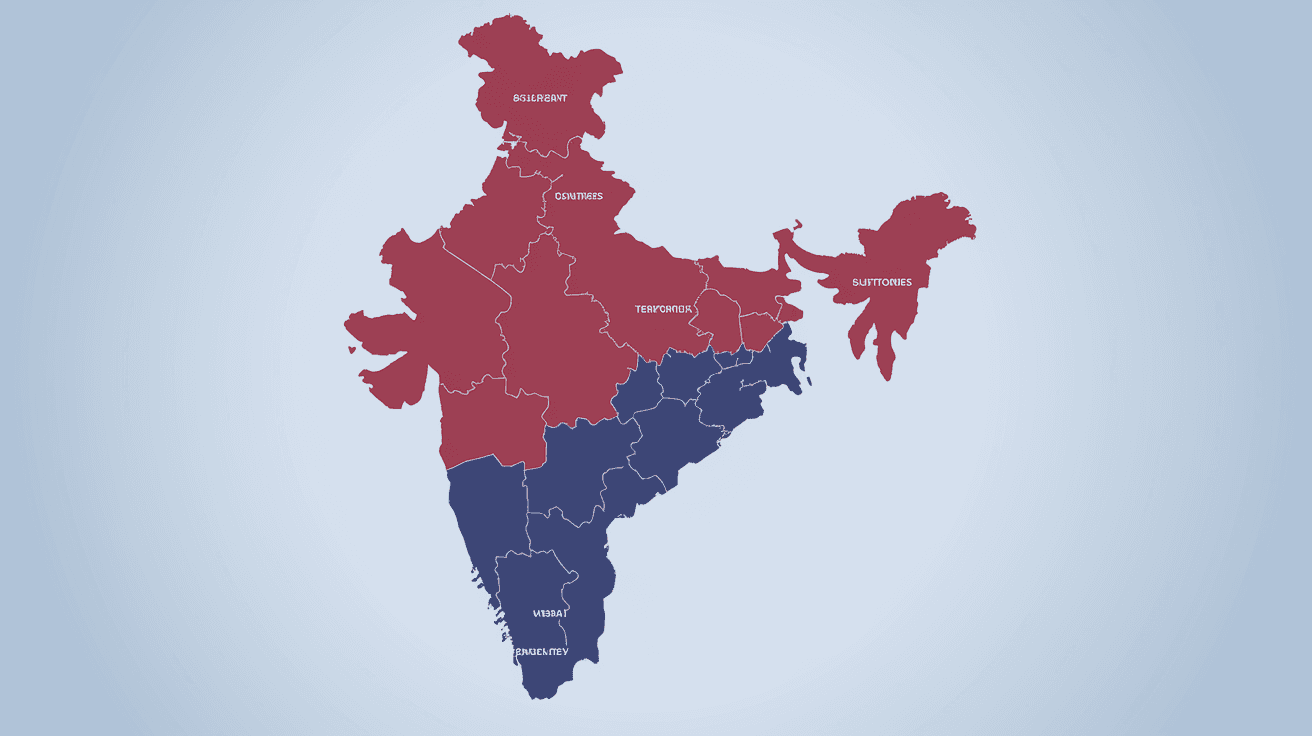
India currently has 28 states. These states are the primary administrative divisions of the country. Each state has its own government, which manages local affairs like education, health, and transportation. The states vary widely in size, population, language, and culture.
Alongside the states, India also has 8 union territories. These are regions governed directly by the central government. Union territories are usually smaller or have special administrative needs.
India’s states exist to manage the country’s diversity better. The states allow local governments to address regional needs and respect cultural differences. For example, states often have their own official languages and festivals.
The states also help in organizing elections, law enforcement, and development projects. This system balances power between the central government and local authorities.
Here’s a list of all the states in India, grouped by region:
Each state has its own capital city and government structure.
Union territories are different from states. They are governed directly by the central government, sometimes with a local legislature. India has 8 union territories:
Union territories often have smaller populations or special strategic importance. For example, Delhi is the national capital territory and has a unique status.
States in India are formed based on several factors:
The States Reorganisation Act of 1956 was a major event that shaped the current map of India by organizing states mainly on linguistic lines.
States play a crucial role in India’s democracy. Here’s why:
The Indian Constitution divides powers between the central government and states to ensure smooth functioning.
These facts show how diverse and dynamic India’s states are.
Your daily life in India is influenced by the state you live in. For example:
Understanding states helps you navigate India’s diversity better.
Now you know that India has 28 states and 8 union territories. These states are essential for managing the country’s vast diversity and ensuring local governance. Each state has its own unique culture, language, and government, making India a truly diverse nation.
Whether you’re planning to visit, study, or just curious, knowing about India’s states helps you understand the country better. States are not just administrative units; they are the heart of India’s rich cultural fabric.
India has 28 states. These states are the main administrative divisions with their own governments.
States have their own governments, while union territories are governed directly by the central government, sometimes with local legislatures.
Rajasthan is the largest state by area in India.
Telangana is the newest state, formed in 2014.
States were reorganized mainly based on language and cultural identity to improve governance and respect diversity.