

How Many States Are in East India?
F
Discover verified facts, data, and insights about India’s states, culture, economy, education, and more — all in one place at FactBharat.
Search for a command to run...
Discover verified facts, data, and insights about India’s states, culture, economy, education, and more — all in one place at FactBharat.
No comments yet. Be the first to comment.
Moving to the USA from India is a dream for many. Whether you want to study, work, or live with family, the process can seem complex. But with the right information, you can plan your move confidently. I’ll guide you through the key steps and options...
Opening a college in India is a dream for many educators and entrepreneurs who want to contribute to the country’s education sector. If you are one of those who want to start a college, you need to understand the process clearly. It involves several ...
Opening a hospital in India is a significant and rewarding venture. If you’ve ever wondered how to start one, you’re in the right place. Whether you’re a healthcare professional, entrepreneur, or investor, understanding the process is crucial. You’ll...
Opening a medical store in India can be a rewarding business opportunity. You get to serve your community by providing essential medicines and healthcare products. If you are thinking about starting a medical store, you might wonder where to begin an...
Opening a restaurant in India can be an exciting and rewarding venture. Whether you dream of serving traditional Indian dishes or international cuisine, the process involves careful planning and understanding of local regulations. If you’re ready to ...
FactBharat | Insights About India
2558 posts
Discover verified facts, data, and insights about India’s states, culture, economy, education, and more — all in one place at FactBharat.
If you’re curious about the geography of India, you might wonder, “How many states are in East India?” This region is known for its rich culture, diverse landscapes, and historical significance. Understanding the states that form East India helps you appreciate the area’s unique identity and its role in India’s overall fabric.
In this article, I’ll guide you through the number of states in East India, their key characteristics, and what makes this region stand out. Whether you’re a student, traveler, or just curious, this overview will give you clear and useful insights.
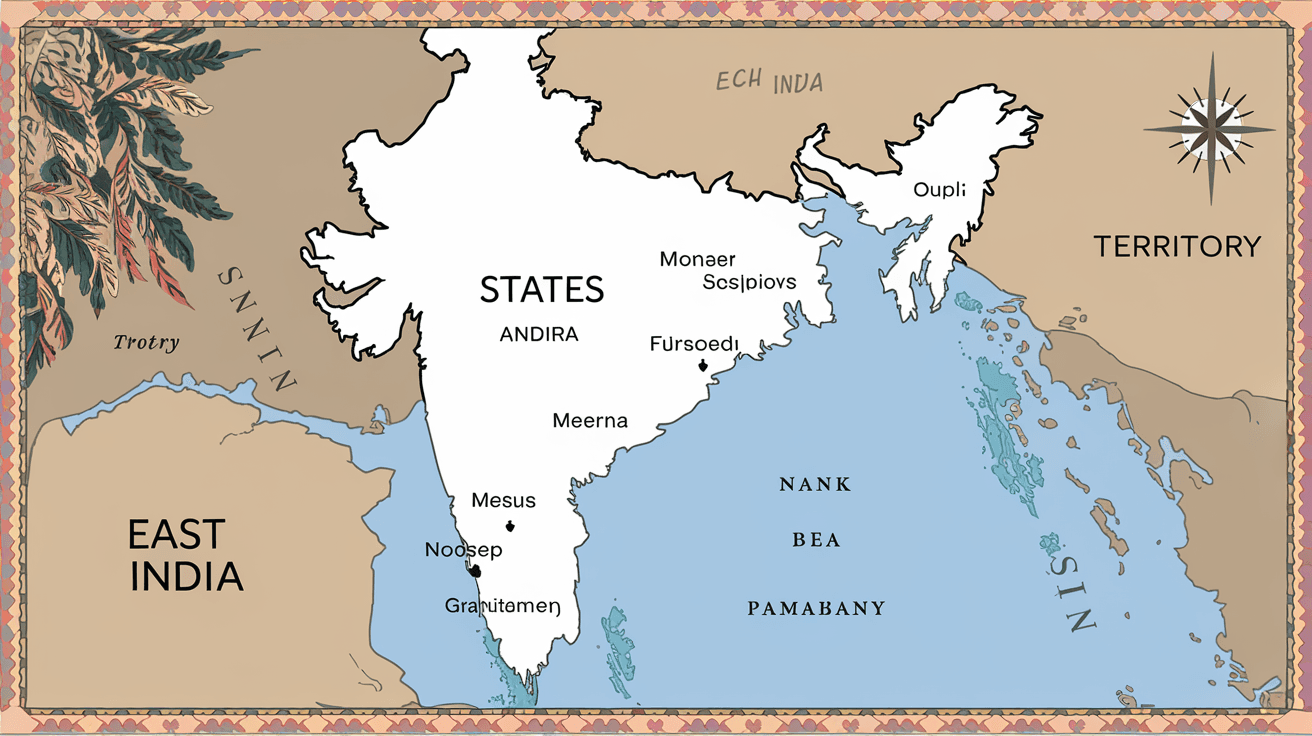
East India consists of five states. These states are:
Each of these states contributes to the region’s diversity in culture, language, and economy. While Assam is sometimes considered part of Northeast India, it is often included in broader definitions of East India due to its geographical location and historical ties.
The classification of East India is based on geography and cultural similarities. These states lie on the eastern side of the country, bordering the Bay of Bengal or close to it. They share common features like fertile plains, river systems, and a mix of tribal and urban populations.
West Bengal is famous for its cultural heritage, including literature, art, and music. Kolkata, the capital, is a major metropolitan city known for its colonial architecture and vibrant festivals.
Odisha is known for its ancient temples and tribal culture. The state has a long coastline and is rich in minerals.
Bihar has a rich historical background, being the birthplace of Buddhism and Jainism. It is primarily an agricultural state with growing educational institutions.
Jharkhand is known for its forests, waterfalls, and mineral wealth. It has a significant tribal population and is rich in coal and iron ore.
Assam is famous for its tea gardens, wildlife, and the Brahmaputra River. It has a diverse population with many ethnic groups.
East India has a varied geography that includes coastal plains, river valleys, and forested hills. The region is drained by major rivers like the Ganges, Brahmaputra, and Mahanadi. This makes the land fertile and suitable for agriculture.
The climate varies from tropical in coastal areas to subtropical in the northern parts. Monsoon rains are crucial for farming, but the region also faces challenges like floods and cyclones.
East India is home to many languages, religions, and traditions. Each state has its own festivals, cuisine, and art forms.
This cultural mix makes East India a vibrant and colorful region.
The economy of East India is diverse. Agriculture remains a major occupation, but industries and services are growing rapidly.
Despite progress, East India faces some challenges:
Efforts by governments and NGOs aim to address these issues through development programs and sustainable practices.
East India plays a vital role in India’s culture, economy, and politics. It is a bridge between the northern plains and the northeastern states. The region’s rivers and ports are crucial for trade and transportation.
Politically, East India has produced many leaders and has a strong presence in national affairs. Its cultural contributions, from literature to festivals, enrich the country’s diversity.
Now you know that East India consists of five states: West Bengal, Odisha, Bihar, Jharkhand, and Assam. Each state has its own unique culture, economy, and geography, making the region diverse and interesting. East India’s rich history, natural resources, and vibrant traditions make it an important part of India.
Understanding these states helps you appreciate the complexity and beauty of this region. Whether you’re exploring India’s geography or planning a visit, East India offers a fascinating blend of nature, culture, and history.
East India officially includes five states: West Bengal, Odisha, Bihar, Jharkhand, and Assam.
Assam is geographically in Northeast India but is often included in East India due to cultural and historical ties.
Common languages include Bengali, Odia, Hindi, Assamese, and various tribal languages.
Agriculture, mining, tea production, manufacturing, and tourism are key economic activities.
The Ganges, Brahmaputra, and Mahanadi rivers are major rivers flowing through East India.