

How Many States Have Metro in India
F
Discover verified facts, data, and insights about India’s states, culture, economy, education, and more — all in one place at FactBharat.
Search for a command to run...
Discover verified facts, data, and insights about India’s states, culture, economy, education, and more — all in one place at FactBharat.
No comments yet. Be the first to comment.
Moving to the USA from India is a dream for many. Whether you want to study, work, or live with family, the process can seem complex. But with the right information, you can plan your move confidently. I’ll guide you through the key steps and options...
Opening a college in India is a dream for many educators and entrepreneurs who want to contribute to the country’s education sector. If you are one of those who want to start a college, you need to understand the process clearly. It involves several ...
Opening a hospital in India is a significant and rewarding venture. If you’ve ever wondered how to start one, you’re in the right place. Whether you’re a healthcare professional, entrepreneur, or investor, understanding the process is crucial. You’ll...
Opening a medical store in India can be a rewarding business opportunity. You get to serve your community by providing essential medicines and healthcare products. If you are thinking about starting a medical store, you might wonder where to begin an...
Opening a restaurant in India can be an exciting and rewarding venture. Whether you dream of serving traditional Indian dishes or international cuisine, the process involves careful planning and understanding of local regulations. If you’re ready to ...
FactBharat | Insights About India
2558 posts
Discover verified facts, data, and insights about India’s states, culture, economy, education, and more — all in one place at FactBharat.
India’s urban landscape is rapidly changing, and metro rail systems are at the heart of this transformation. You might be wondering, how many states in India have metro rail networks? This question is common among those curious about India’s infrastructure growth and urban development. Understanding where metros operate helps you grasp how cities are evolving to meet modern transport needs.
In this article, I’ll walk you through the states in India that currently have metro rail systems. We’ll explore the cities involved, the benefits these metros bring, and what the future holds for metro expansion. Whether you’re a commuter, a student, or just curious, this guide will give you a clear picture of metro rail presence across India.
Metro rail systems in India are urban rapid transit networks designed to ease traffic congestion and provide fast, reliable transport. Since the launch of the first metro in Kolkata in 1984, metros have expanded to many cities. These systems are crucial for reducing pollution and improving daily commutes.
India’s metros are managed by various state governments and metro rail corporations. They vary in size, technology, and coverage but share the goal of enhancing urban mobility. The growth of metro rail reflects India’s push towards smart cities and sustainable transport.
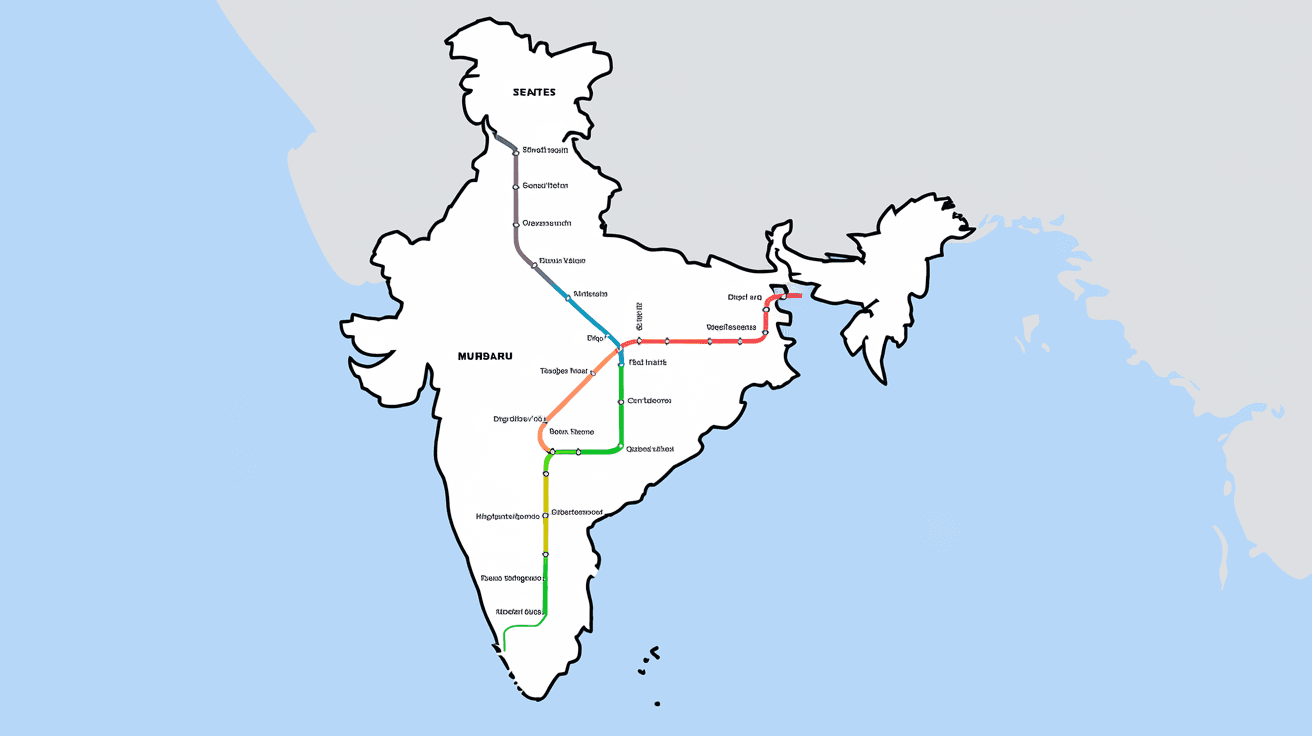
As of 2025, metro rail systems operate in 11 states and 1 Union Territory in India. These states have developed metro networks in their major cities to support growing populations and urbanization.
Here’s a list of the states with metro rail systems:
Each of these states has at least one city with an operational metro system. Some states have multiple cities with metro networks, reflecting their urban growth.
Let’s look at the states and the cities where metro rail is operational:
Metro rail systems have transformed urban transport in India. Here’s how they impact cities:
For example, the Delhi Metro has significantly reduced travel time and pollution in the capital region. Similarly, Bengaluru’s Namma Metro helps ease the city’s notorious traffic.
India’s metro rail network is growing fast. Several new projects are underway or planned in states without current metro systems. Some key upcoming projects include:
The government aims to increase metro coverage to more cities, especially those with populations over 1 million. This expansion supports India’s urbanization and sustainability goals.
Despite their benefits, metro projects face challenges:
Addressing these challenges is key to expanding metro networks successfully.
If you live in a metro city, you might notice these benefits:
For example, Kochi Metro has improved connectivity in Kerala’s largest city, making daily travel easier for thousands.
So, how many states have metro rail in India? The answer is 11 states and 1 Union Territory currently operate metro systems. These metros serve major cities and are expanding rapidly to meet the demands of growing urban populations. Metros play a vital role in reducing traffic, cutting pollution, and boosting economic growth.
As India continues to urbanize, metro rail networks will become even more important. New projects are underway in many states, promising better connectivity and convenience for millions. Whether you live in a metro city or plan to visit one, understanding the metro landscape helps you appreciate India’s progress in modern urban transport.
Currently, 11 states and 1 Union Territory in India have operational metro rail systems serving their major cities.
The Kolkata Metro was the first metro rail system in India, launched in 1984.
No, metros operate in various cities, including state capitals and other large urban centers like Pune and Surat.
Metros reduce traffic congestion, lower pollution, save travel time, and boost economic growth in cities.
Yes, many new metro projects are planned or under construction in cities like Indore, Patna, and Nagpur.