

How Many States Have Legislative Council in India
F
Discover verified facts, data, and insights about India’s states, culture, economy, education, and more — all in one place at FactBharat.
Search for a command to run...
Discover verified facts, data, and insights about India’s states, culture, economy, education, and more — all in one place at FactBharat.
No comments yet. Be the first to comment.
Moving to the USA from India is a dream for many. Whether you want to study, work, or live with family, the process can seem complex. But with the right information, you can plan your move confidently. I’ll guide you through the key steps and options...
Opening a college in India is a dream for many educators and entrepreneurs who want to contribute to the country’s education sector. If you are one of those who want to start a college, you need to understand the process clearly. It involves several ...
Opening a hospital in India is a significant and rewarding venture. If you’ve ever wondered how to start one, you’re in the right place. Whether you’re a healthcare professional, entrepreneur, or investor, understanding the process is crucial. You’ll...
Opening a medical store in India can be a rewarding business opportunity. You get to serve your community by providing essential medicines and healthcare products. If you are thinking about starting a medical store, you might wonder where to begin an...
Opening a restaurant in India can be an exciting and rewarding venture. Whether you dream of serving traditional Indian dishes or international cuisine, the process involves careful planning and understanding of local regulations. If you’re ready to ...
FactBharat | Insights About India
2558 posts
Discover verified facts, data, and insights about India’s states, culture, economy, education, and more — all in one place at FactBharat.
India's political system is unique and complex, especially when it comes to the structure of state legislatures. If you’ve ever wondered how many states in India have a legislative council, you’re not alone. Many people know about the legislative assemblies, but fewer understand the role and presence of legislative councils in the states.
In this article, I’ll explain exactly how many states have legislative councils, what these councils do, and why some states choose to have them while others don’t. By the end, you’ll have a clear picture of this important part of India’s democracy.
A legislative council is the upper house in the state legislature, similar to the Rajya Sabha at the national level. Not all Indian states have this second chamber. The legislative council acts as a revising body, reviewing laws passed by the legislative assembly (the lower house).
Here’s what you need to know about legislative councils:
The existence of a legislative council depends on the state's choice and approval by the Parliament of India.
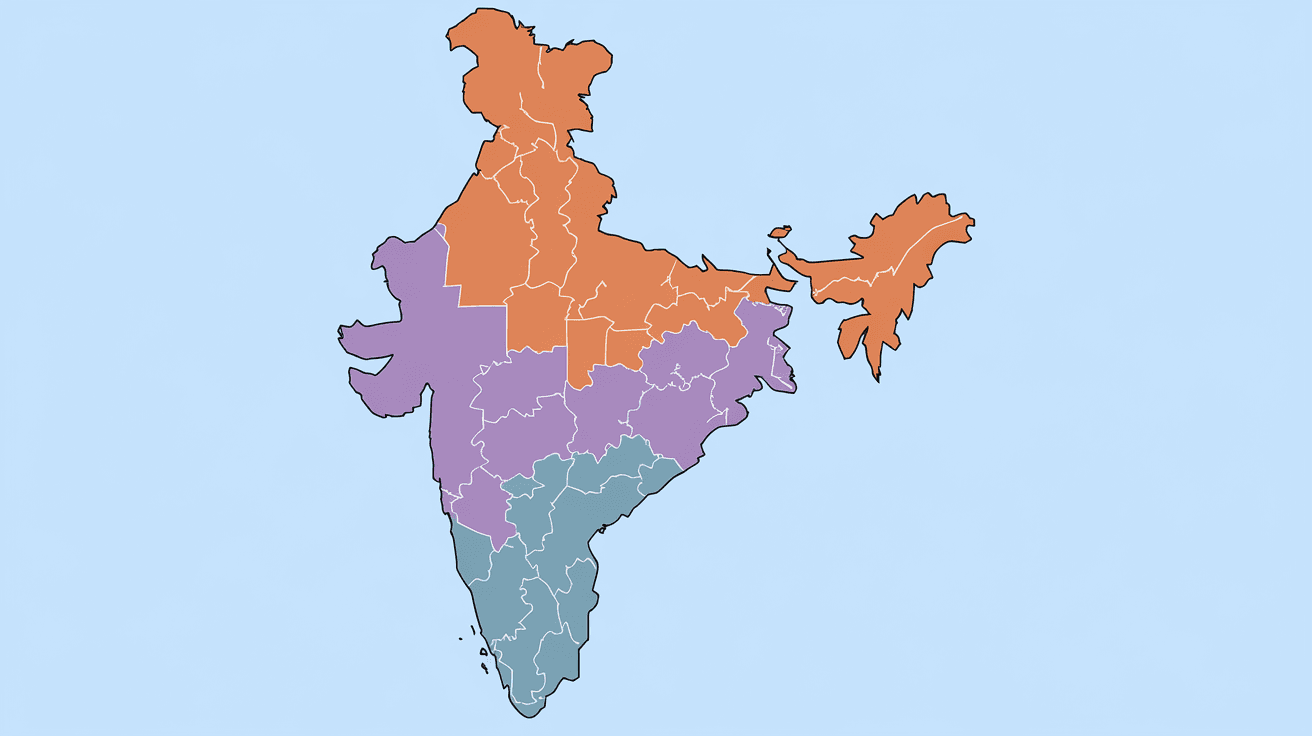
As of 2025, only six states in India have a legislative council. These states are:
These states have chosen to maintain a bicameral legislature, meaning they have two houses: the legislative assembly and the legislative council.
The Indian Constitution allows states to decide whether they want a legislative council. Article 169 of the Constitution states that a state legislature can create or abolish a legislative council if the legislative assembly passes a resolution by a special majority and Parliament approves it.
Reasons why some states have legislative councils include:
On the other hand, some states avoid councils because:
The composition of a legislative council is quite different from the assembly. Members are elected or nominated through various methods to ensure diverse representation.
Here’s how members are chosen:
This mix ensures that the council represents different sections of society, including professionals and local bodies.
Some states have abolished their legislative councils after initially having them. For example:
These decisions were often driven by political and financial considerations.
In recent years, there has been renewed interest in creating or reviving legislative councils in some states. For example:
However, no new councils have been officially created since the early 2000s.
Having a legislative council offers several benefits:
Despite the benefits, there are some drawbacks:
The legislative council plays a subtle but important role in state governance. It acts as a revising chamber, suggesting amendments and improvements to legislation. While it cannot block bills indefinitely, it can delay and recommend changes.
This process often leads to more thoughtful laws. However, the council’s influence depends on its composition and the political environment.
| Feature | Legislative Assembly (Vidhan Sabha) | Legislative Council (Vidhan Parishad) |
| Number of Houses | Single (Lower House) | Second House (Upper House) |
| Term Length | 5 years | 6 years (staggered terms) |
| Powers | Greater legislative powers | Advisory and revising role |
| Election Method | Directly elected by voters | Indirect election and nomination |
| Can be Dissolved | Yes | No |
| Money Bills | Can originate and pass | Can only delay, not reject |
This table highlights why some states prefer unicameral legislatures for simplicity and cost-saving.
The process to create or abolish a legislative council involves:
This process ensures that both the state and central governments agree on the decision.
Now you know that only six states in India have legislative councils. These councils serve as upper houses in the state legislatures, providing expertise and a second look at laws. While they offer benefits like better scrutiny and representation, they also come with costs and delays.
Whether a state has a legislative council depends on its political choices and needs. Some states have abolished their councils, while others continue to value their role. Understanding this helps you appreciate the diversity and complexity of India’s democratic system.
Six states currently have legislative councils: Andhra Pradesh, Telangana, Karnataka, Maharashtra, Bihar, and Uttar Pradesh.
Yes, a state can create a legislative council if its legislative assembly passes a special majority resolution and Parliament approves it.
The main function is to review and suggest improvements to laws passed by the legislative assembly, acting as a revising chamber.
Yes, legislative councils are permanent and cannot be dissolved, unlike legislative assemblies.
States may abolish councils to reduce costs, avoid delays in lawmaking, or due to political reasons.