

How Many States Have Bicameral Legislature in India
F
Discover verified facts, data, and insights about India’s states, culture, economy, education, and more — all in one place at FactBharat.
Search for a command to run...
Discover verified facts, data, and insights about India’s states, culture, economy, education, and more — all in one place at FactBharat.
No comments yet. Be the first to comment.
Moving to the USA from India is a dream for many. Whether you want to study, work, or live with family, the process can seem complex. But with the right information, you can plan your move confidently. I’ll guide you through the key steps and options...
Opening a college in India is a dream for many educators and entrepreneurs who want to contribute to the country’s education sector. If you are one of those who want to start a college, you need to understand the process clearly. It involves several ...
Opening a hospital in India is a significant and rewarding venture. If you’ve ever wondered how to start one, you’re in the right place. Whether you’re a healthcare professional, entrepreneur, or investor, understanding the process is crucial. You’ll...
Opening a medical store in India can be a rewarding business opportunity. You get to serve your community by providing essential medicines and healthcare products. If you are thinking about starting a medical store, you might wonder where to begin an...
Opening a restaurant in India can be an exciting and rewarding venture. Whether you dream of serving traditional Indian dishes or international cuisine, the process involves careful planning and understanding of local regulations. If you’re ready to ...
FactBharat | Insights About India
2558 posts
Discover verified facts, data, and insights about India’s states, culture, economy, education, and more — all in one place at FactBharat.
India’s political system is fascinating, especially when you look at how its states govern themselves. You might wonder, how many states have a bicameral legislature in India? This question is important because it tells us about the diversity in governance across the country. In India, some states have two houses in their legislature, while others have only one.
In this article, I will explain what a bicameral legislature means, list the states that have this system, and discuss why some states choose this structure. By the end, you’ll have a clear understanding of India’s legislative setup and why it matters for democracy.
A bicameral legislature means a state has two separate chambers or houses that make laws. These are usually called the Legislative Assembly (Vidhan Sabha) and the Legislative Council (Vidhan Parishad). The Assembly is the lower house, and the Council is the upper house.
This two-house system is designed to provide checks and balances. The Council reviews laws passed by the Assembly, which can prevent hasty decisions. It also allows for more detailed discussion and representation of various interests.
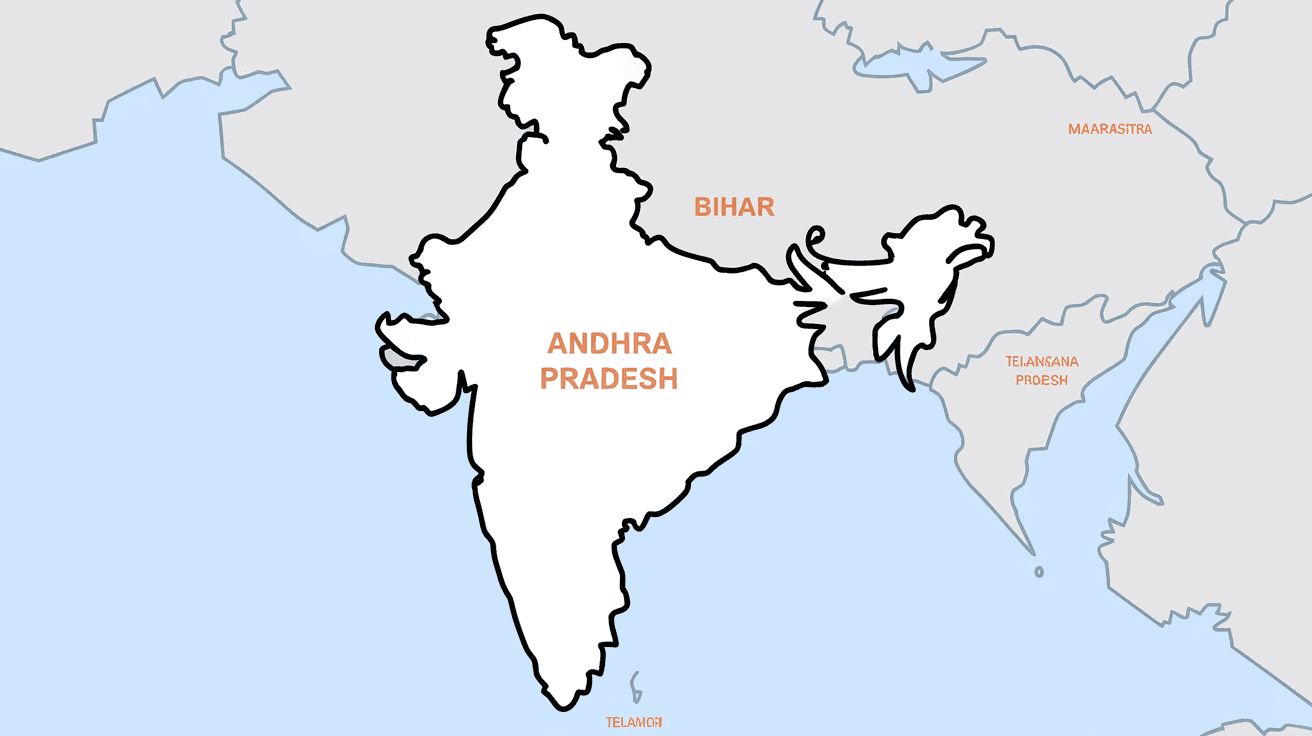
As of 2025, India has 28 states and 8 Union Territories. Out of these, only 6 states have a bicameral legislature. The rest have a unicameral system, meaning they have just one legislative house.
The six states with bicameral legislatures are:
Each of these states has both a Legislative Assembly and a Legislative Council.
Not all states in India have a Legislative Council because it is optional under the Indian Constitution. Article 169 allows states to create or abolish their Legislative Council if the Legislative Assembly passes a resolution with a special majority.
Here are some reasons why only a few states have bicameral legislatures:
In the six states with bicameral legislatures, the two houses work together to pass laws. Here’s how they function:
Let’s look at a few examples to understand how these states use their bicameral systems:
The Indian Constitution gives states the power to decide if they want a Legislative Council. Here’s the process:
This process means the decision involves both the state and the central government.
Having two houses in a state legislature offers several benefits:
However, there are some downsides:
Most states in India prefer a unicameral system because it is simpler and less costly. Here’s why:
States like Goa, Punjab, and Haryana have unicameral legislatures, focusing on efficiency.
Union Territories (UTs) in India mostly do not have legislatures. Only a few, like Delhi and Puducherry, have unicameral legislatures. None of the UTs have bicameral legislatures. This is because UTs are governed directly by the central government, and their administrative needs are different from states.
Now you know that only six Indian states have bicameral legislatures: Andhra Pradesh, Bihar, Karnataka, Maharashtra, Telangana, and Uttar Pradesh. This system allows for more detailed lawmaking and representation of diverse groups. However, it also comes with higher costs and slower processes.
Most Indian states prefer a unicameral system for simplicity and efficiency. The choice between one or two houses depends on factors like population size, diversity, and political history. Understanding this helps you appreciate the complexity and flexibility of India’s democracy.
Six states have bicameral legislatures: Andhra Pradesh, Bihar, Karnataka, Maharashtra, Telangana, and Uttar Pradesh.
The Assembly is the lower house, directly elected by the people, while the Council is the upper house, partly elected and partly nominated, serving as a revising chamber.
Yes, a state can abolish its Council if the Legislative Assembly passes a special resolution and Parliament approves it.
Unicameral legislatures are simpler, cheaper, and allow faster lawmaking, which suits smaller or less diverse states.
No, Union Territories do not have bicameral legislatures. Only a few have unicameral legislatures, like Delhi and Puducherry.