

How Many States Are There in India and Their Names
F
Discover verified facts, data, and insights about India’s states, culture, economy, education, and more — all in one place at FactBharat.
Search for a command to run...
Discover verified facts, data, and insights about India’s states, culture, economy, education, and more — all in one place at FactBharat.
No comments yet. Be the first to comment.
Moving to the USA from India is a dream for many. Whether you want to study, work, or live with family, the process can seem complex. But with the right information, you can plan your move confidently. I’ll guide you through the key steps and options...
Opening a college in India is a dream for many educators and entrepreneurs who want to contribute to the country’s education sector. If you are one of those who want to start a college, you need to understand the process clearly. It involves several ...
Opening a hospital in India is a significant and rewarding venture. If you’ve ever wondered how to start one, you’re in the right place. Whether you’re a healthcare professional, entrepreneur, or investor, understanding the process is crucial. You’ll...
Opening a medical store in India can be a rewarding business opportunity. You get to serve your community by providing essential medicines and healthcare products. If you are thinking about starting a medical store, you might wonder where to begin an...
Opening a restaurant in India can be an exciting and rewarding venture. Whether you dream of serving traditional Indian dishes or international cuisine, the process involves careful planning and understanding of local regulations. If you’re ready to ...
FactBharat | Insights About India
2558 posts
Discover verified facts, data, and insights about India’s states, culture, economy, education, and more — all in one place at FactBharat.
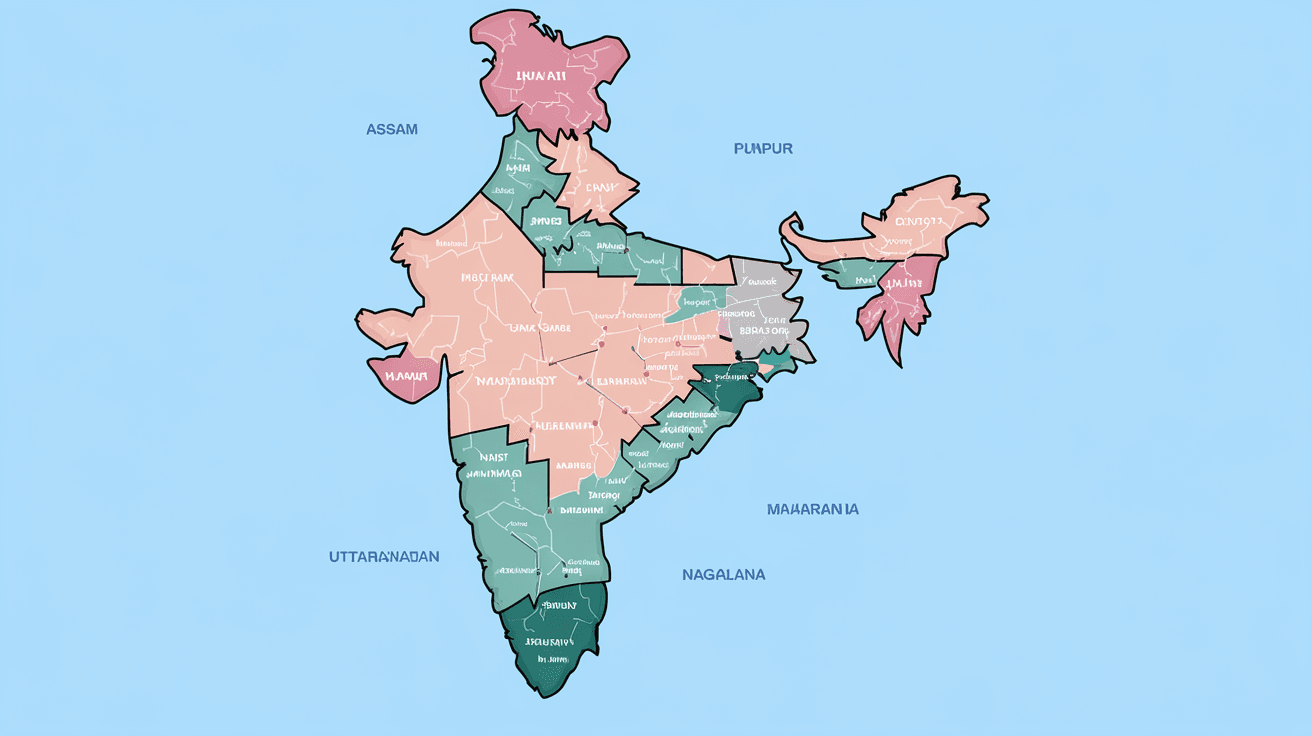
India is a vast and diverse country with a rich cultural heritage. If you’ve ever wondered how many states there are in India and what their names are, you’re not alone. Understanding India’s states helps you appreciate its diversity and complexity better.
In this article, I’ll walk you through the total number of states in India, their names, and some interesting facts about them. Whether you’re a student, traveler, or just curious, this guide will give you a clear picture of India’s political map.
India currently has 28 states. These states are the primary administrative divisions of the country. Each state has its own government, legislature, and unique culture. Besides the states, India also has 8 Union Territories which are governed directly by the Central Government.
The number of states has changed over time due to political and administrative reasons. The latest change was in 2019 when Jammu and Kashmir was reorganized into two Union Territories. But the count of states remains 28.
India’s states exist to manage the country’s vast diversity. Each state often has its own language, traditions, and governance needs. States help decentralize power and bring government closer to the people.
Here is the complete list of all the states in India, arranged alphabetically for easy reference:
Apart from the 28 states, India has 8 Union Territories. These are regions governed directly by the Central Government, often because of their strategic importance or smaller size.
The Union Territories are:
Union Territories usually have less autonomy than states, but some like Delhi and Puducherry have their own legislative assemblies.
The formation of states in India is based on several factors:
The States Reorganisation Act of 1956 was a major step in defining the current state boundaries based on language.
Knowing the states of India is useful for many reasons:
If you want to memorize the names of all Indian states, here are some tips:
India’s states are often grouped into regions based on geography and culture:
| Region | States Included |
| North India | Jammu & Kashmir, Himachal Pradesh, Punjab, Haryana, Uttarakhand, Delhi, Rajasthan, Uttar Pradesh |
| South India | Andhra Pradesh, Telangana, Tamil Nadu, Karnataka, Kerala |
| East India | Bihar, Jharkhand, Odisha, West Bengal, Sikkim |
| West India | Goa, Gujarat, Maharashtra, Rajasthan |
| Northeast | Arunachal Pradesh, Assam, Manipur, Meghalaya, Mizoram, Nagaland, Tripura, Sikkim |
This grouping helps understand cultural and linguistic similarities.
India is home to hundreds of languages, but each state usually has one or more official languages. For example:
This linguistic diversity is one reason why states were formed along language lines.
States play a crucial role in India’s democracy. Each state elects representatives to the national parliament and has its own government. State politics can influence national decisions.
Now you know that India has 28 states, each with its own unique identity and culture. Alongside these states, there are 8 Union Territories governed directly by the central government. Understanding the names and roles of these states helps you appreciate India’s diversity and complexity.
Whether you’re learning for school, planning to travel, or just curious, knowing about India’s states is essential. It gives you a clearer picture of how this vast country functions and celebrates its many cultures.
India has 28 states. These are the main administrative divisions with their own governments.
The 28 states include Andhra Pradesh, Bihar, Kerala, Maharashtra, Tamil Nadu, and others. The full list is in the article above.
India has 8 Union Territories, including Delhi, Puducherry, and Jammu and Kashmir.
States were reorganized based on language to better represent cultural identities and improve governance.
Rajasthan is the largest state in India by area.