

How Many Spices Are There in India
F
Discover verified facts, data, and insights about India’s states, culture, economy, education, and more — all in one place at FactBharat.
Search for a command to run...
Discover verified facts, data, and insights about India’s states, culture, economy, education, and more — all in one place at FactBharat.
No comments yet. Be the first to comment.
Moving to the USA from India is a dream for many. Whether you want to study, work, or live with family, the process can seem complex. But with the right information, you can plan your move confidently. I’ll guide you through the key steps and options...
Opening a college in India is a dream for many educators and entrepreneurs who want to contribute to the country’s education sector. If you are one of those who want to start a college, you need to understand the process clearly. It involves several ...
Opening a hospital in India is a significant and rewarding venture. If you’ve ever wondered how to start one, you’re in the right place. Whether you’re a healthcare professional, entrepreneur, or investor, understanding the process is crucial. You’ll...
Opening a medical store in India can be a rewarding business opportunity. You get to serve your community by providing essential medicines and healthcare products. If you are thinking about starting a medical store, you might wonder where to begin an...
Opening a restaurant in India can be an exciting and rewarding venture. Whether you dream of serving traditional Indian dishes or international cuisine, the process involves careful planning and understanding of local regulations. If you’re ready to ...
FactBharat | Insights About India
2558 posts
Discover verified facts, data, and insights about India’s states, culture, economy, education, and more — all in one place at FactBharat.
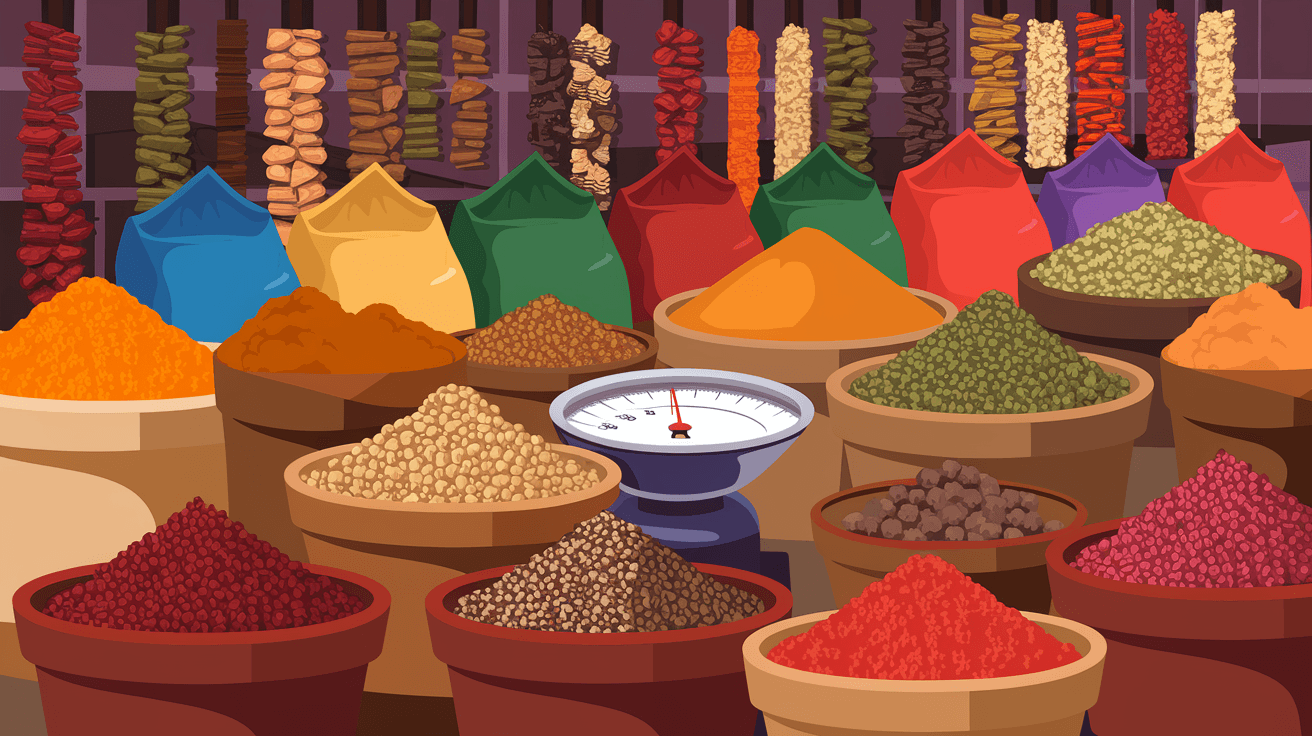
India is famous worldwide for its rich and diverse use of spices. When you think of Indian food, you probably imagine vibrant colors and bold flavors, all thanks to the spices. But have you ever wondered exactly how many spices are there in India? The answer is not simple because India is home to hundreds of spices, each with unique flavors and uses.
In this article, I will take you through the fascinating world of Indian spices. We will explore the number of spices grown and used in India, their importance in cooking and culture, and how they contribute to the global spice market. By the end, you’ll have a clear picture of why India is often called the “Land of Spices.”
India grows a vast variety of spices, thanks to its diverse climate and geography. From the hot plains of Rajasthan to the humid coasts of Kerala, different regions produce different spices. This diversity means India is one of the largest producers and exporters of spices in the world.
These are just a few examples, but the list goes on to include fennel, fenugreek, asafoetida, cinnamon, star anise, and many more.
Spices are not just ingredients in Indian cooking; they are the heart and soul of every dish. They add flavor, aroma, color, and even health benefits. Indian recipes often use a blend of spices called “masalas,” which can be dry powders or wet pastes.
Each blend varies by region and household, showing the rich culinary heritage tied to spices.
India’s spices have shaped world history. For centuries, spices from India were highly sought after by traders from Europe, the Middle East, and Asia. The spice trade influenced exploration, colonization, and cultural exchange.
Growing spices requires specific climate and soil conditions. Indian farmers use traditional and modern methods to cultivate and harvest spices.
Many Indian spices are valued not only for taste but also for their health benefits. Traditional Indian medicine, Ayurveda, uses spices extensively.
Using spices daily can support overall health and wellness, which is why they are integral to Indian diets.
If you want to bring Indian flavors into your kitchen, understanding spices is key. Here are some tips:
Indian cooking is flexible, so feel free to adjust spice levels to your taste.
India’s spice heritage is vast and vibrant, with over 70 commercially grown spices and many more regional varieties. These spices are essential to Indian cuisine, culture, and economy. They have shaped history and continue to influence global food trends.
Whether you are a food lover, a history buff, or someone interested in health, understanding Indian spices opens a world of flavor and tradition. Next time you enjoy an Indian meal, you’ll appreciate the rich story behind every pinch of spice.
Around 50 to 70 spices are commonly used in Indian cooking, with many regional variations and blends.
Turmeric is one of the most popular spices due to its flavor, color, and health benefits.
Most spices used in India are grown locally, but some are imported or grown in small quantities.
India is the largest producer and exporter of spices in the world.
Yes, many Indian spices have medicinal properties and are used in traditional medicine like Ayurveda.