

How Many Species of Plants Are Found in India
F
Discover verified facts, data, and insights about India’s states, culture, economy, education, and more — all in one place at FactBharat.
Search for a command to run...
Discover verified facts, data, and insights about India’s states, culture, economy, education, and more — all in one place at FactBharat.
No comments yet. Be the first to comment.
Moving to the USA from India is a dream for many. Whether you want to study, work, or live with family, the process can seem complex. But with the right information, you can plan your move confidently. I’ll guide you through the key steps and options...
Opening a college in India is a dream for many educators and entrepreneurs who want to contribute to the country’s education sector. If you are one of those who want to start a college, you need to understand the process clearly. It involves several ...
Opening a hospital in India is a significant and rewarding venture. If you’ve ever wondered how to start one, you’re in the right place. Whether you’re a healthcare professional, entrepreneur, or investor, understanding the process is crucial. You’ll...
Opening a medical store in India can be a rewarding business opportunity. You get to serve your community by providing essential medicines and healthcare products. If you are thinking about starting a medical store, you might wonder where to begin an...
Opening a restaurant in India can be an exciting and rewarding venture. Whether you dream of serving traditional Indian dishes or international cuisine, the process involves careful planning and understanding of local regulations. If you’re ready to ...
FactBharat | Insights About India
2558 posts
Discover verified facts, data, and insights about India’s states, culture, economy, education, and more — all in one place at FactBharat.
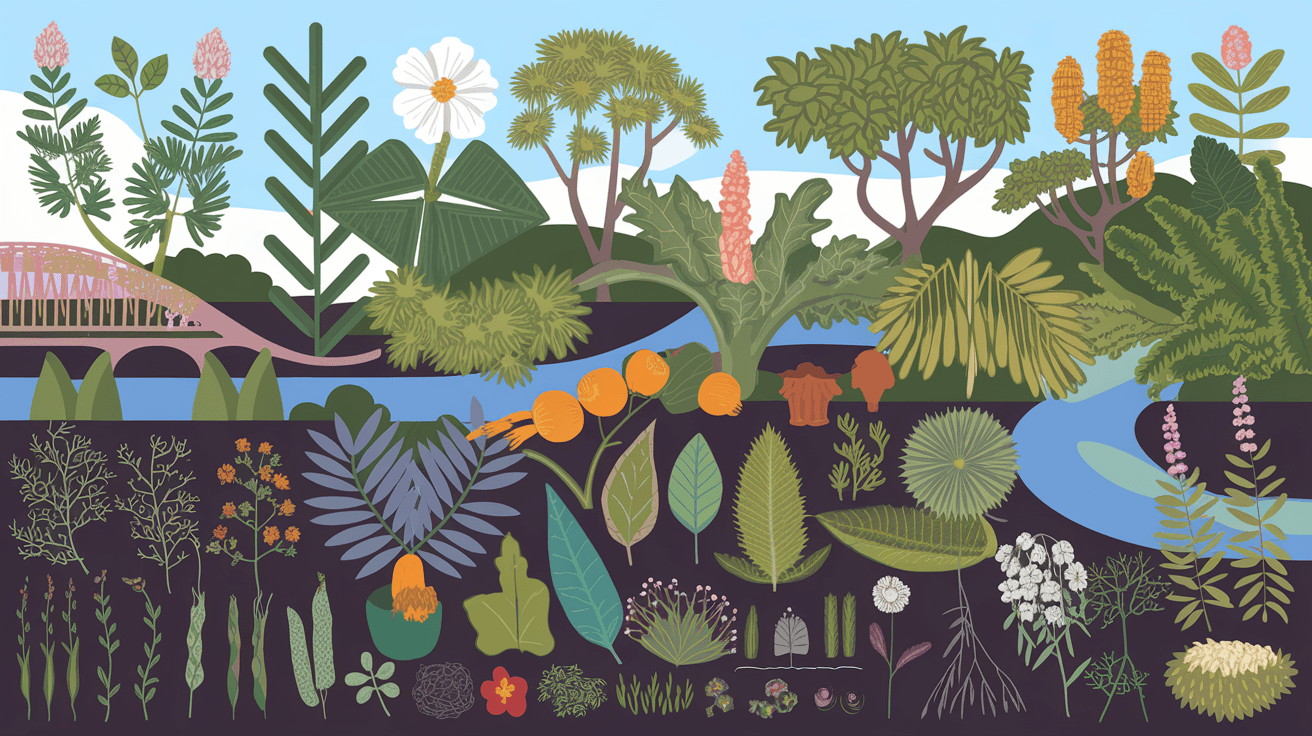
India is home to one of the richest and most diverse plant kingdoms in the world. When you think about the vast landscapes, from the Himalayas to the coastal plains, you realize how many different types of plants thrive here. If you’ve ever wondered how many species of plants are found in India, you’re about to discover some fascinating facts.
We will explore the number of plant species, their variety, and why India’s plant diversity is so important. Whether you are a student, nature lover, or just curious, this article will give you a clear picture of India’s incredible plant wealth.
India is recognized as one of the 17 megadiverse countries globally. This means it has an exceptionally high number of plant and animal species. The country’s diverse climate zones and geography create perfect conditions for a wide range of plants.
This diversity is spread across different ecosystems, such as tropical rainforests, deserts, mangroves, and alpine meadows. Each ecosystem supports unique plant species adapted to local conditions.
India’s plant species can be broadly classified into several groups. Understanding these groups helps you appreciate the variety and complexity of India’s flora.
Flowering plants are the most common and diverse group in India.
These include ferns, mosses, algae, and gymnosperms.
Endemic plants are species found only in India and nowhere else.
Several factors contribute to India’s rich plant diversity:
This combination creates many niches where plants can evolve and thrive.
India’s plant diversity is not just about numbers; it plays a crucial role in the environment and human life.
Protecting this diversity is essential for sustainable development and environmental health.
Despite its richness, India’s plant diversity faces several threats:
Conservation efforts are critical to protect India’s plant wealth.
India has taken many steps to conserve its plant diversity:
These efforts help maintain the balance between development and conservation.
You don’t have to be a scientist to contribute to plant conservation. Here are some simple ways you can help:
Every small action counts toward preserving India’s natural heritage.
To give you a better idea, here are some iconic plants found in India:
| Plant Name | Region | Special Feature |
| Banyan Tree | Throughout India | National tree, provides shade and shelter |
| Sunderban Mangrove | Coastal areas | Protects against cyclones and floods |
| Himalayan Blue Poppy | Himalayas | Rare, beautiful alpine flower |
| Neem | Widespread | Medicinal properties, natural pesticide |
| Tulsi (Holy Basil) | Throughout India | Sacred in Indian culture, medicinal use |
These plants highlight the diversity and importance of India’s flora.
India’s plant diversity is truly remarkable, with over 47,000 species thriving across its varied landscapes. This rich variety supports ecosystems, provides resources, and holds cultural significance. Understanding how many species of plants are found in India helps us appreciate the natural wealth we often take for granted.
Protecting this diversity is vital for future generations. By learning about India’s plants and supporting conservation efforts, you can play a part in preserving this incredible natural heritage. Together, we can ensure that India’s plant kingdom continues to flourish.
India has around 47,000 species of plants, including flowering plants, ferns, algae, and gymnosperms.
Endemic plants are species found only in India. The country has over 6,000 such species, mainly in the Western Ghats and Himalayas.
India’s varied geography, climate, and biogeographical zones create habitats for a vast number of plant and animal species, making it megadiverse.
Deforestation, climate change, invasive species, pollution, and overharvesting threaten India’s plant diversity.
You can plant native species, avoid products from endangered plants, support conservation groups, and participate in local environmental activities.