

How Many Sparrows Are Left in India
F
Discover verified facts, data, and insights about India’s states, culture, economy, education, and more — all in one place at FactBharat.
Search for a command to run...
Discover verified facts, data, and insights about India’s states, culture, economy, education, and more — all in one place at FactBharat.
No comments yet. Be the first to comment.
Moving to the USA from India is a dream for many. Whether you want to study, work, or live with family, the process can seem complex. But with the right information, you can plan your move confidently. I’ll guide you through the key steps and options...
Opening a college in India is a dream for many educators and entrepreneurs who want to contribute to the country’s education sector. If you are one of those who want to start a college, you need to understand the process clearly. It involves several ...
Opening a hospital in India is a significant and rewarding venture. If you’ve ever wondered how to start one, you’re in the right place. Whether you’re a healthcare professional, entrepreneur, or investor, understanding the process is crucial. You’ll...
Opening a medical store in India can be a rewarding business opportunity. You get to serve your community by providing essential medicines and healthcare products. If you are thinking about starting a medical store, you might wonder where to begin an...
Opening a restaurant in India can be an exciting and rewarding venture. Whether you dream of serving traditional Indian dishes or international cuisine, the process involves careful planning and understanding of local regulations. If you’re ready to ...
FactBharat | Insights About India
2558 posts
Discover verified facts, data, and insights about India’s states, culture, economy, education, and more — all in one place at FactBharat.
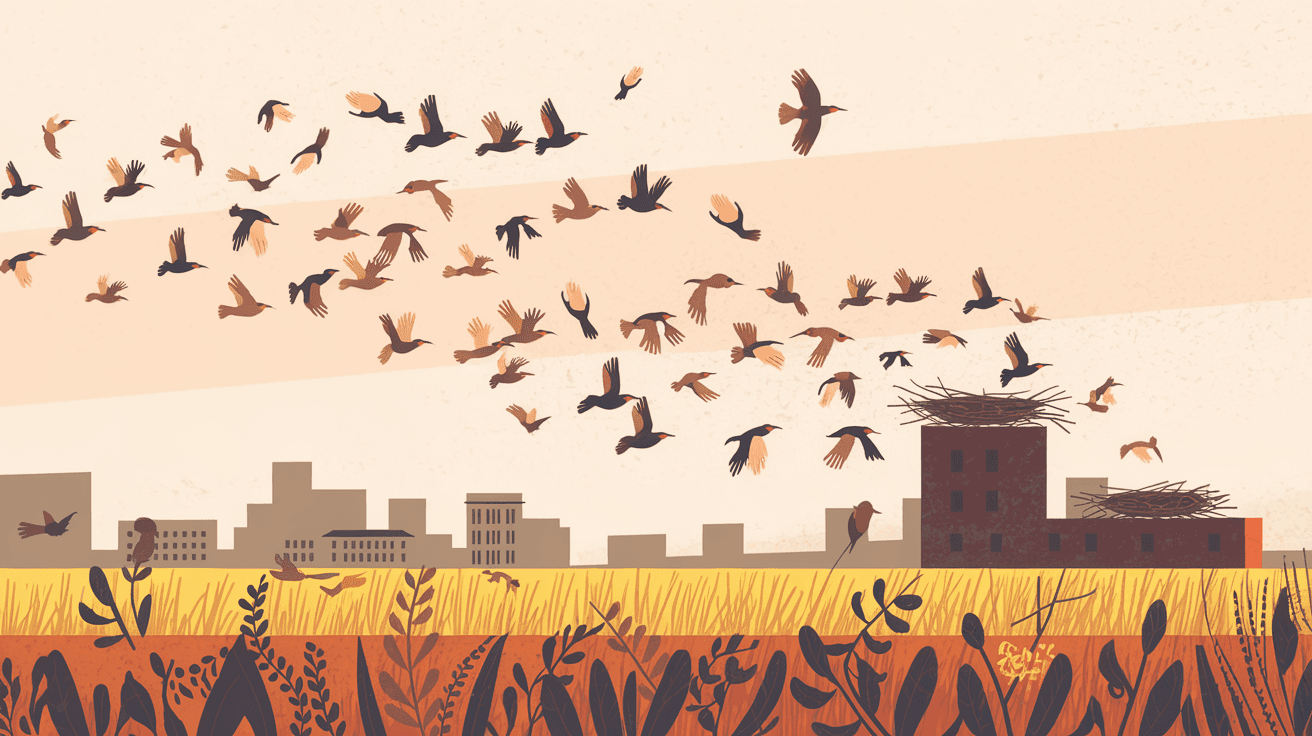
You might have noticed fewer sparrows chirping around your neighborhood lately. Sparrows, once common in Indian towns and cities, seem to be disappearing. If you’re wondering how many sparrows are left in India today, you’re not alone. Many bird lovers and environmentalists are concerned about their declining numbers.
In this article, I’ll share what we know about sparrow populations in India, why their numbers are dropping, and what’s being done to help these small birds survive. Understanding this issue can help you appreciate the importance of sparrows and how we can protect them together.
Estimating the exact number of sparrows left in India is challenging. However, studies and bird surveys indicate a significant decline over the past two decades. The House Sparrow (Passer domesticus) is the most common species in India, but its population has dropped drastically in urban and rural areas.
The Indian Bird Conservation Network and other organizations estimate that sparrow numbers have fallen from millions to just a fraction of that in many regions.
Several factors contribute to the sharp decline of sparrows in India. Understanding these reasons helps us see the bigger picture.
Urbanization is one of the biggest threats. As cities expand, natural habitats and green spaces shrink.
Pollution affects sparrows in multiple ways.
Changes in farming and urban lifestyles have reduced food sources.
Sparrows face threats from predators like cats and crows. Additionally, competition with other bird species for nesting sites and food has increased.
Some studies suggest that radiation from mobile towers and Wi-Fi may affect sparrows’ navigation and breeding, but this is still debated among scientists.
Thankfully, many groups and individuals are working hard to save sparrows. Here are some key efforts:
Some local governments have started including sparrow conservation in urban planning. Policies to reduce pesticide use and protect green spaces are slowly gaining ground.
You don’t need to be an expert to make a difference. Here are some simple ways you can help sparrows:
Sparrows play a vital role in the environment. They help control insect populations by feeding on pests. Their presence indicates a healthy ecosystem.
Protecting sparrows means protecting biodiversity and the balance of nature in India.
Despite efforts, sparrow conservation faces challenges:
Addressing these challenges requires cooperation between citizens, scientists, and policymakers.
You now know that sparrow populations in India have declined sharply, mainly due to habitat loss, pollution, and food scarcity. While exact numbers are hard to pin down, the trend is clear and worrying. But there is hope. Conservation efforts by NGOs, communities, and governments are helping sparrows make a comeback.
By understanding the issues and taking simple actions, you can be part of the solution. Sparrows are more than just small birds; they are important indicators of our environment’s health. Protecting them means protecting the natural world we all depend on.
Exact numbers are unknown, but sparrow populations have declined by up to 70% in many urban areas. Millions remain in rural regions, but overall numbers are much lower than in the past.
Main reasons include habitat loss due to urbanization, pollution, pesticide use, and reduced food availability. Modern buildings offer fewer nesting sites, and insect populations have dropped.
Conservation groups run awareness campaigns, install nest boxes, promote organic farming, and encourage planting native vegetation. Some local governments also support sparrow-friendly policies.
Yes! You can put up nest boxes, feed sparrows with grains, plant native plants, avoid pesticides, and provide water sources. Small actions can make a big difference.
Absolutely. Sparrows control insect populations, help with seed dispersal, and indicate a healthy ecosystem. Their decline signals broader environmental issues that affect many species.