

How Many Snakes Are in India?
F
Discover verified facts, data, and insights about India’s states, culture, economy, education, and more — all in one place at FactBharat.
Search for a command to run...
Discover verified facts, data, and insights about India’s states, culture, economy, education, and more — all in one place at FactBharat.
No comments yet. Be the first to comment.
Moving to the USA from India is a dream for many. Whether you want to study, work, or live with family, the process can seem complex. But with the right information, you can plan your move confidently. I’ll guide you through the key steps and options...
Opening a college in India is a dream for many educators and entrepreneurs who want to contribute to the country’s education sector. If you are one of those who want to start a college, you need to understand the process clearly. It involves several ...
Opening a hospital in India is a significant and rewarding venture. If you’ve ever wondered how to start one, you’re in the right place. Whether you’re a healthcare professional, entrepreneur, or investor, understanding the process is crucial. You’ll...
Opening a medical store in India can be a rewarding business opportunity. You get to serve your community by providing essential medicines and healthcare products. If you are thinking about starting a medical store, you might wonder where to begin an...
Opening a restaurant in India can be an exciting and rewarding venture. Whether you dream of serving traditional Indian dishes or international cuisine, the process involves careful planning and understanding of local regulations. If you’re ready to ...
FactBharat | Insights About India
2558 posts
Discover verified facts, data, and insights about India’s states, culture, economy, education, and more — all in one place at FactBharat.
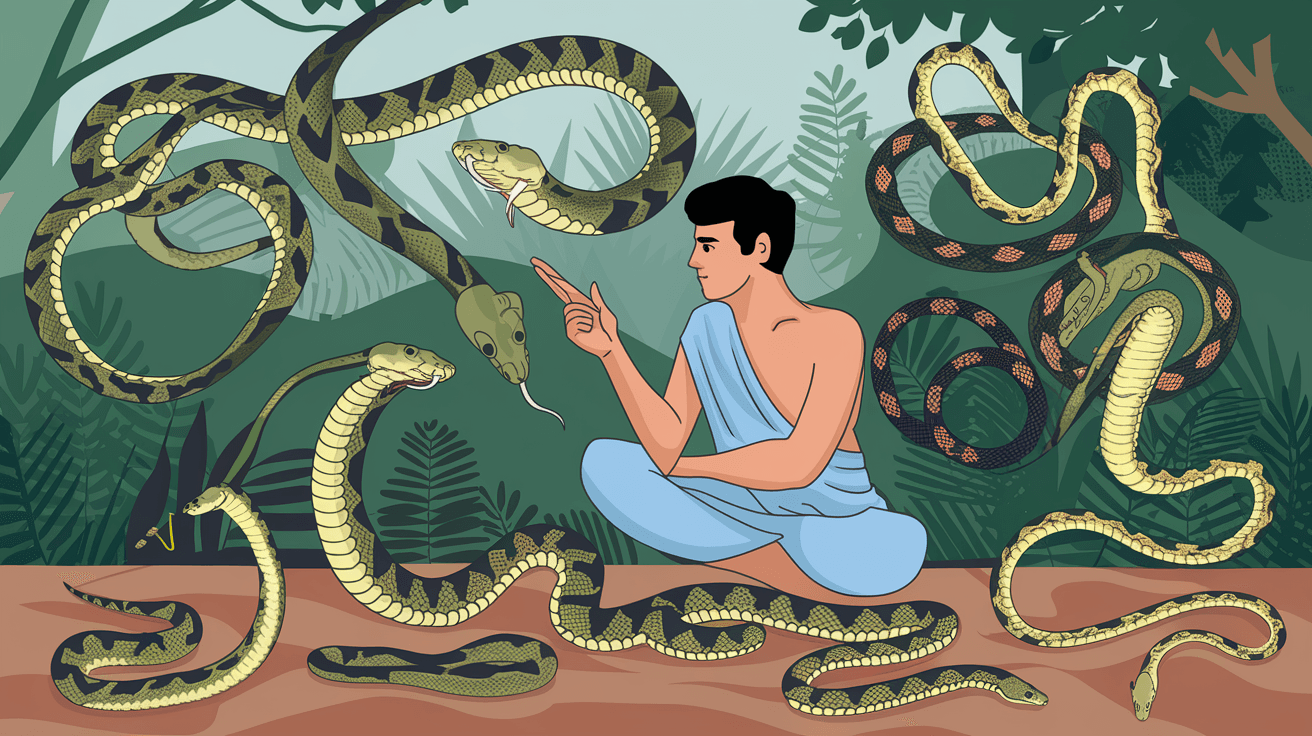
India is home to a fascinating variety of snakes, making it one of the most snake-rich countries in the world. If you’ve ever wondered how many snakes live in India, you’re not alone. The country’s diverse climate and geography provide perfect habitats for many snake species. From dense forests to arid deserts, India supports a wide range of snakes, both venomous and non-venomous.
In this article, I’ll take you through the number of snake species found in India, their types, and where you can find them. You’ll also learn about the most common venomous snakes and how they impact people’s lives. Whether you’re curious about wildlife or planning a visit, this guide will give you a clear picture of India’s snake population.
India is home to approximately 270 species of snakes. This number includes both venomous and non-venomous snakes. The country’s rich biodiversity and varied ecosystems support this wide range of species. From the Himalayan foothills to the coastal regions, snakes have adapted to many different environments.
Here’s a quick breakdown:
This diversity makes India one of the top countries globally in terms of snake species variety. Many of these snakes are unique to India, found nowhere else in the world.
Among the 270 species, about 60 are venomous. These snakes are important to know about because they can pose a risk to humans. However, most snakes avoid contact with people and only bite when threatened.
The most famous venomous snakes in India are part of the "Big Four." These four species cause the majority of snakebite deaths in the country:
Besides the Big Four, India also has other venomous snakes like the King Cobra, which is the world’s longest venomous snake, and various pit vipers and sea snakes.
Non-venomous snakes make up the majority of India’s snake population. These snakes are harmless to humans and play important roles in the ecosystem by controlling pests like rodents.
Some common non-venomous snakes in India include:
These snakes help maintain balance in nature and are often misunderstood due to fear.
Snakes in India live in almost every type of habitat. The country’s vast geography includes mountains, forests, deserts, wetlands, and urban areas. Each habitat supports different snake species.
Here’s a look at some key habitats and the snakes you might find there:
Understanding where snakes live helps in avoiding unwanted encounters and appreciating their role in nature.
Snakes play a vital role in India’s ecosystems. They help control populations of rodents and insects, which can damage crops and spread diseases. By keeping these pests in check, snakes indirectly support agriculture and public health.
Additionally, snakes are part of India’s cultural heritage. They appear in many myths, religious stories, and festivals. For example, the festival of Nag Panchami celebrates snakes and involves rituals to honor them.
Despite their importance, snakes often face threats from habitat loss, pollution, and human fear. Educating people about snakes can help reduce unnecessary killing and promote coexistence.
Snakebites are a serious health issue in India, especially in rural areas. Thousands of people are bitten each year, with many cases leading to fatalities. The government and health organizations have taken steps to reduce these numbers.
Key measures include:
These efforts have helped save many lives, but challenges remain due to the vast rural population and limited healthcare access in some regions.
If you live in or visit India, it’s important to know how to stay safe around snakes. Here are some practical tips:
By following these steps, you can reduce the risk of snakebites and enjoy India’s natural beauty safely.
India’s snakes have some fascinating features and behaviors. Here are a few interesting facts:
These facts show how unique and adapted snakes are to their environments.
Many snake species in India face threats from habitat destruction, pollution, and human conflict. Some species are listed as vulnerable or endangered by conservation organizations.
Efforts to protect snakes include:
Conserving snakes is important for maintaining ecological balance and biodiversity.
India’s snake diversity is truly impressive, with around 270 species living across the country. From venomous snakes like the Indian Cobra and Russell’s Viper to harmless ones like the Indian Rock Python, these reptiles play key roles in nature and culture. Knowing about their habitats, behavior, and safety tips can help you appreciate snakes without fear.
While snakebites remain a challenge, ongoing efforts in healthcare and education are making a difference. By respecting snakes and supporting conservation, we can ensure these fascinating creatures continue to thrive in India’s rich ecosystems.
India has about 60 venomous snake species. The most well-known are the Big Four: Indian Cobra, Common Krait, Russell’s Viper, and Saw-scaled Viper.
The Common Krait and Russell’s Viper are considered among the most dangerous due to their potent venom and frequent bites.
No, most snakes in India are non-venomous and harmless to humans. They help control pests and maintain ecological balance.
Snakes can be found in forests, grasslands, deserts, wetlands, and even urban areas across India.
Avoid tall grass, wear protective clothing, be cautious at night, and never try to handle snakes. Keep your surroundings clean to reduce snake presence.