

How Many Sectors Are There in the Stock Market in India?
F
Discover verified facts, data, and insights about India’s states, culture, economy, education, and more — all in one place at FactBharat.
Search for a command to run...
Discover verified facts, data, and insights about India’s states, culture, economy, education, and more — all in one place at FactBharat.
No comments yet. Be the first to comment.
Moving to the USA from India is a dream for many. Whether you want to study, work, or live with family, the process can seem complex. But with the right information, you can plan your move confidently. I’ll guide you through the key steps and options...
Opening a college in India is a dream for many educators and entrepreneurs who want to contribute to the country’s education sector. If you are one of those who want to start a college, you need to understand the process clearly. It involves several ...
Opening a hospital in India is a significant and rewarding venture. If you’ve ever wondered how to start one, you’re in the right place. Whether you’re a healthcare professional, entrepreneur, or investor, understanding the process is crucial. You’ll...
Opening a medical store in India can be a rewarding business opportunity. You get to serve your community by providing essential medicines and healthcare products. If you are thinking about starting a medical store, you might wonder where to begin an...
Opening a restaurant in India can be an exciting and rewarding venture. Whether you dream of serving traditional Indian dishes or international cuisine, the process involves careful planning and understanding of local regulations. If you’re ready to ...
FactBharat | Insights About India
2558 posts
Discover verified facts, data, and insights about India’s states, culture, economy, education, and more — all in one place at FactBharat.
Investing in the Indian stock market can feel overwhelming at first. You might wonder, "How many sectors are there in the stock market in India?" Knowing the answer helps you understand where your money goes and how the economy functions. It also guides you in making smarter investment choices.
In this article, I’ll walk you through the main sectors in the Indian stock market. We’ll explore what each sector represents and why they matter. By the end, you’ll have a clear picture of the market’s structure and how to approach investing with confidence.
Before diving into the number of sectors, let’s clarify what a sector means in the stock market. A sector is a group of companies that operate in a similar industry or business area. For example, all companies that produce energy or all banks belong to their respective sectors.
Sectors help investors categorize companies and compare their performance. They also reflect different parts of the economy, like manufacturing, technology, or healthcare. When you invest, knowing the sectors helps you diversify your portfolio and manage risks better.
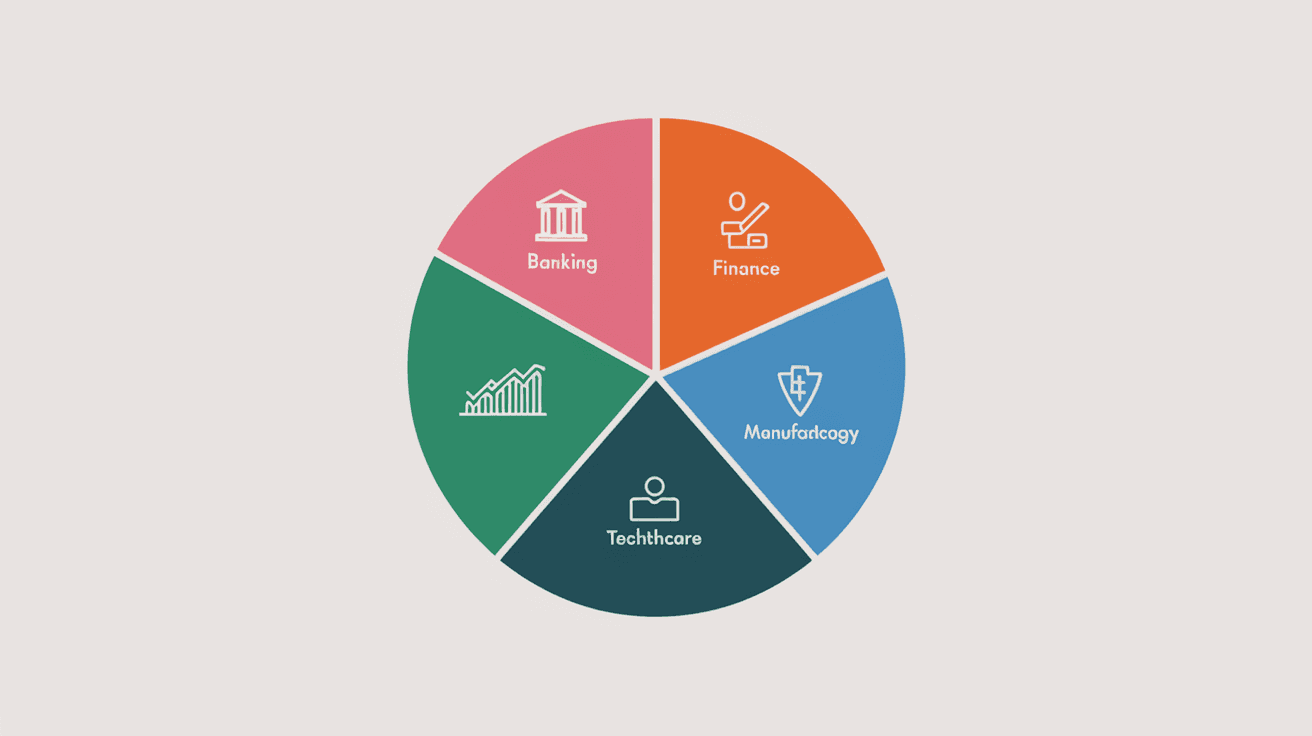
The Indian stock market is broadly divided into 12 major sectors. These sectors cover almost all industries that contribute to the country’s economy. Each sector includes many companies listed on stock exchanges like the Bombay Stock Exchange (BSE) and the National Stock Exchange (NSE).
Here are the 12 key sectors in the Indian stock market:
Each sector plays a unique role in the economy and offers different investment opportunities.
This sector is the backbone of the Indian economy. It includes banks, non-banking financial companies (NBFCs), insurance firms, and other financial institutions.
India is famous worldwide for its IT services and software exports. This sector includes companies that provide software development, IT consulting, and business process outsourcing.
This sector covers companies involved in drug manufacturing, biotechnology, hospitals, and healthcare services.
This sector includes companies involved in oil, gas, electricity generation, and renewable energy.
The automobile sector includes manufacturers of cars, two-wheelers, commercial vehicles, and auto components.
FMCG companies produce everyday products like food, beverages, personal care, and household items.
This sector includes companies involved in mining and processing metals like steel, aluminum, and coal.
Telecom companies provide mobile, internet, and other communication services.
This sector covers companies involved in building roads, bridges, airports, and urban infrastructure.
Real estate includes residential, commercial, and industrial property development and sales.
This sector includes companies producing electronics, appliances, and other durable goods.
This sector covers farming, fertilizers, agrochemicals, and food processing.
Knowing the sectors helps you diversify your investments. Instead of putting all your money in one area, you can spread it across sectors to reduce risk. For example, if the automobile sector faces a slowdown, your investments in FMCG or IT might still perform well.
Sectors also react differently to economic changes. Some grow during booms, while others do better in slowdowns. By understanding these patterns, you can make smarter decisions about when and where to invest.
Here are some practical tips to use sector knowledge effectively:
The Indian stock market is divided into 12 main sectors, each representing a vital part of the economy. From banking to agriculture, these sectors offer diverse opportunities for investors. Understanding how many sectors there are and what they include helps you build a balanced portfolio.
By learning about these sectors, you can better navigate the stock market and make informed investment choices. Whether you’re a beginner or an experienced investor, knowing the sectors is a key step toward financial success in India’s dynamic market.
There are 12 major sectors in the Indian stock market, including banking, IT, pharmaceuticals, energy, automobile, FMCG, metals, telecom, infrastructure, real estate, consumer durables, and agriculture.
The banking and financial services sector is the largest, playing a crucial role in economic growth and financial stability.
IT stocks have strong growth potential due to global demand but can be volatile. They suit investors looking for growth and willing to accept some risk.
FMCG stocks are generally stable during downturns because they sell essential products with steady demand.
Yes, diversifying across sectors helps spread risk. If one sector underperforms, others may balance your portfolio’s overall returns.